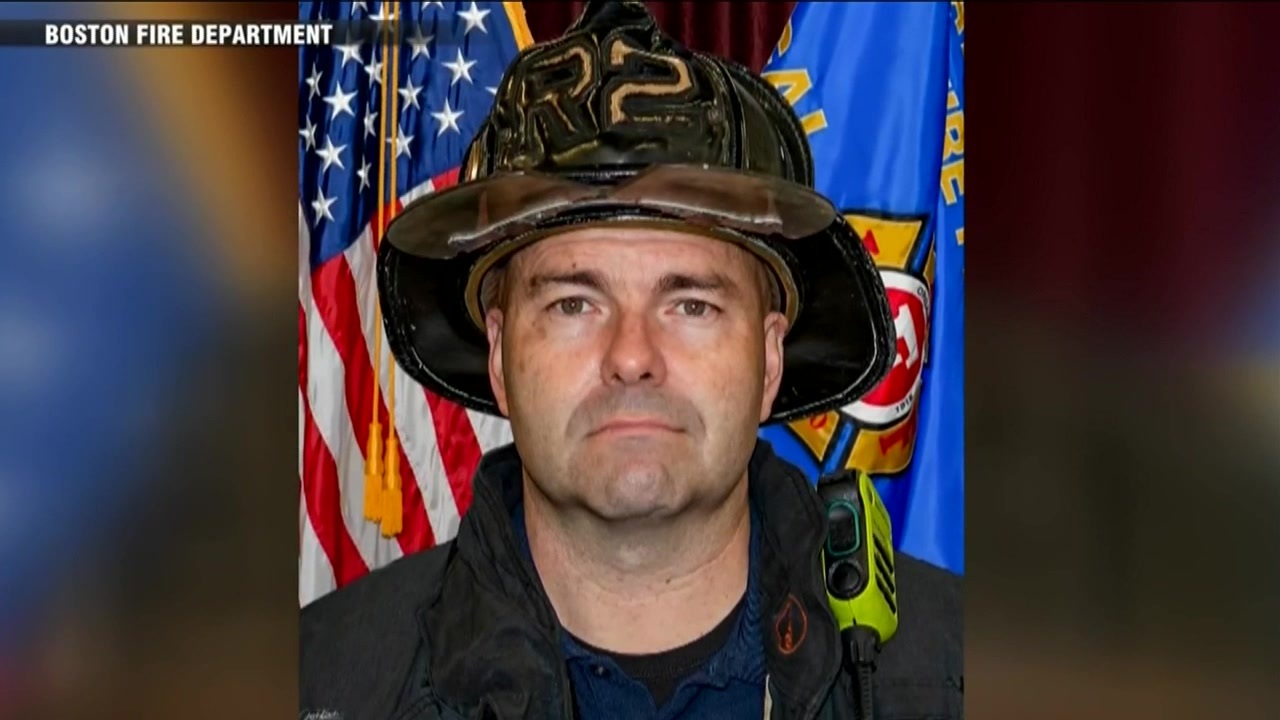
Lithium-ion batteries identified as cause of fire that killed Boston firefighter
Boston officials confirmed Wednesday that the May fire that claimed the life of Robert “Bobby” Kilduff Jr. was ignited by lithium-ion batteries. The announcement came from Mayor Michelle Wu and Boston Fire Commissioner Rodney Marshall, who provided an update on the investigation into the blaze that occurred at a triple-decker in Dorchester.
Kilduff, a 24-year veteran of the Boston Fire Department and a Marine Corps veteran, died after falling from a window while battling the flames. He was a third-generation firefighter and a father of two adult children. WHDH reported that investigators traced the origin of the fire to a case of “thermal runaway” involving multiple lithium-ion batteries stored inside plastic toolboxes.
Thermal runaway risks in residential storage
Commissioner Marshall emphasized the danger inherent in how these power sources are currently being stored in homes. Thermal runaway occurs when a battery cell enters an uncontrollable, self-heating state, often leading to rapid fire spread and the release of toxic gases. The investigation into the Dorchester fire highlights the specific hazards posed when high-density energy storage devices are kept in non-ventilated, flammable containers like plastic toolboxes.
Today, we want to emphasize the importance of lithium-ion battery safety. The investigation found the fire was started by thermal runaway, involving multiple lithium-ion batteries stored inside of plastic toolboxes.
The city has not yet announced any new regulatory measures regarding the storage of such batteries in residential settings, though the public disclosure of the investigation's findings advances the department's efforts to raise awareness about fire prevention.
More on Rodney Marshall
Keep reading

Luka Dončić has fan removed after incident with game official
Los Angeles Lakers star Luka Dončić had a fan sitting courtside removed on Wednesday night after an incident...
John Gambadoro to take Suns pregame free throw for Foundation donation
Arizona Sports‘ John Gambadoro will take a pregame free throw on Thursday before the Phoenix Suns face the...

Little Rock Basketball Falls to VCU 82-72 in Season Opener
RICHMOND, Va. — The Little Rock men’s basketball team began the 2026-27 regular season Monday night, losing to...

Alaska’s Senate Race in Statistical Deadlock
Alaska’s election night is leaving voters and analysts in a state of suspended animation. According to reporting from...