
“The debtors are not currently proceeding with the LIV 2.0 plan,” Matthew Williams of Gibson Dunn, a lawyer representing LIV Golf, announced in a New Jersey bankruptcy court hearing on Thursday. “Instead, the debtors are toggling to a value-maximizing wind-down in their business.” The statement confirmed what has been rumored for weeks: the breakaway golf league is ceasing operations after its last-ditch financing fell through, ending a tumultuous chapter in professional golf.
The collapse of the deal with BC Partners Credit, a potential backer that had been lined up after the Saudi Public Investment Fund (PIF) withdrew, is the final nail in the coffin. The Financial Times reported that BC Partners pulled out of the proposed $300 million-plus transaction due to a mass exodus of star players, forcing LIV into Chapter 11 bankruptcy and rendering the playing contracts null. The league, which burst onto the scene in June 2022 with a mix of star power and lucrative guaranteed paydays, will now be dismantled.
The Unraveling: From PIF Pullout to Player Exodus
The timeline of LIV Golf’s demise is a direct line from its primary benefactor’s decision to cut ties. In late April 2026, after pouring more than $5 billion into the league since its inception, the PIF announced that LIV no longer fit its investment strategy and would stop funding after the 2026 season. This financial withdrawal set off a chain reaction that proved fatal.
The response from the player roster was immediate and decisive. The league’s top talent—including Jon Rahm, Sergio Garcia, Ian Poulter, Tyrrell Hatton, Louis Oosthuizen, and Lee Westwood—began departing. The year had already seen Brooks Koepka get out of his LIV deal with one year remaining, and Patrick Reed opted not to extend his deal, both creating paths back to the PGA Tour. The talent drain left LIV unable to sustain the vision of a “LIV 2.0” that could rival the established tours.
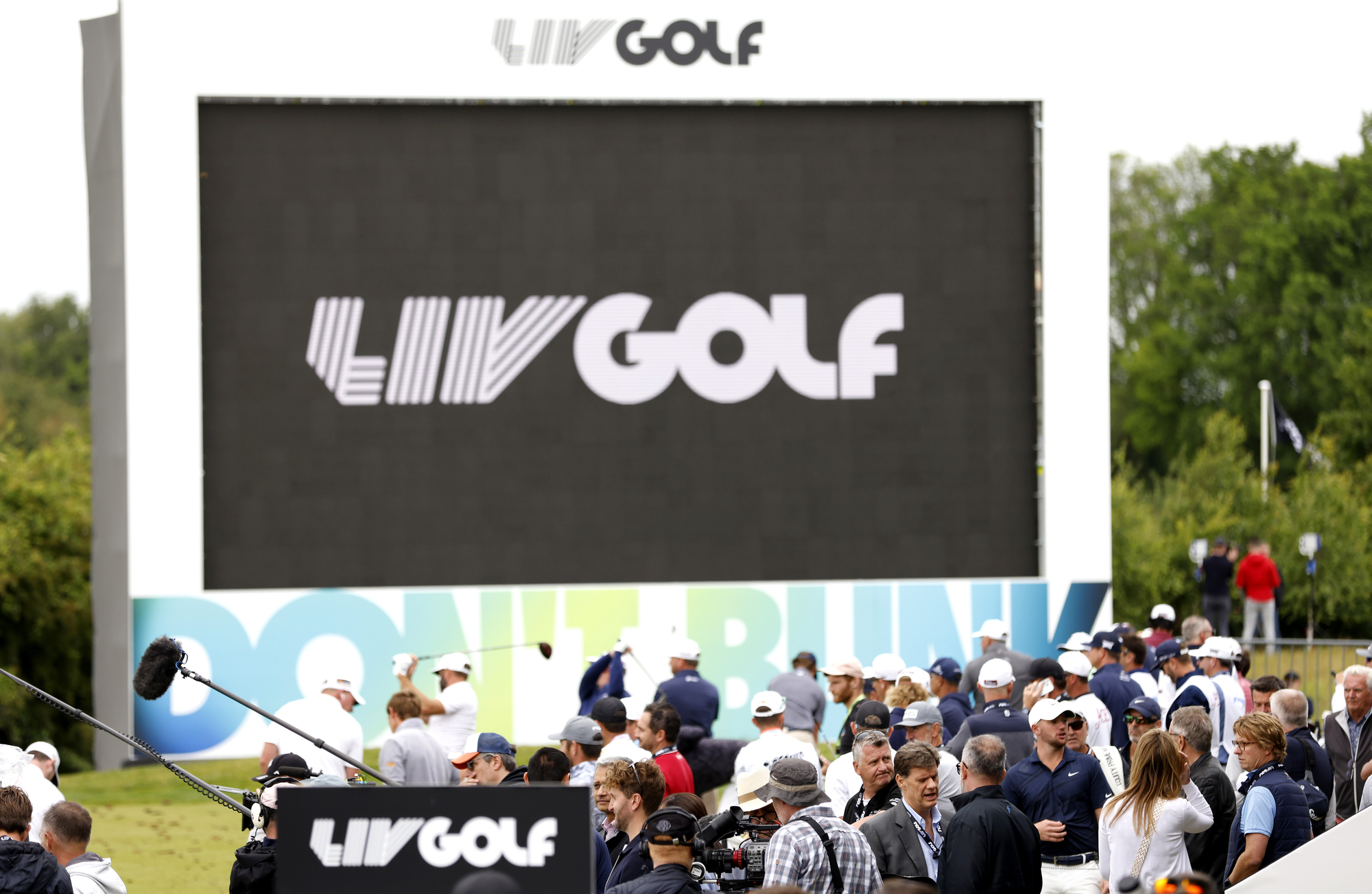
The strategic implications of this player movement extend beyond individual careers. The league’s initial model, which offered prize money more than half of the $20 million individual purses seen at its launch in 2022, was predicated on securing and retaining elite players. Without that core, the competitive value proposition completely eroded, leaving a vacuum that even a new financing deal could not fill.
A Front-Office Failure and Tour Reactions
LIV’s front-office strategy, which included a high-profile legal battle and a failed merger attempt, now stands as a case study in aggressive market entry gone wrong. The league’s refusal to integrate with the PGA Tour triggered suspensions for defectors like Bryson DeChambeau, Dustin Johnson, Brooks Koepka and Phil Mickelson, who then filed an antitrust lawsuit accusing the PGA Tour of using monopoly power against independent contractors. That war of attrition ended in June 2023 with a stunning announcement: the PGA Tour and the PIF would form a unified commercial entity to end the litigation.
That framework, however, crumbled. The PGA Tour ultimately rejected the Saudi fund’s offer to invest $1.5 billion on the condition that LIV Golf remain intact and that PIF governor Yasir Al-Rumayyan co-chair the new PGA Tour Enterprises board. LIV Golf chief executive Scott O’Neil said that building a global platform designed to bring new, younger, and more diverse fans to the sport of golf had been the round of a lifetime for all of them.
The fallout has not been contained to LIV’s own operations. The Asian Tour, which had received a financial boost from LIV for its International Series, decided in July to renew its alliance with the PGA Tour and the European tour. More damningly, as LIV was attempting to restructure in bankruptcy, the European tour issued a crushing ultimatum. European tour CEO Guy Kinnings told The Scotsman, “But we also have to protect the tour against an entity who spent, so we are told, over $7 billion, with one of their aims being to ‘destroy the DP World Tour.’” The tour declared that anyone signing with LIV 2.0 would be ineligible for DP World Tour membership, effectively banning them from contention for the Ryder Cup.
The Ripple Effect Across Professional Golf
The liquidation of LIV Golf immediately changes the competitive and economic conditions of professional golf. The PGA Tour, which faced existential threats from LIV’s spending, now consolidates its position as the undisputed premier circuit. For players, the collapse eliminates a lucrative but unstable alternative, forcing a return to the established tours’ qualifying systems and structures. The PGA Tour’s created path for players like Koepka to return—with financial penalties—sets a precedent for how such transitions might be handled in the future, likely influencing contract negotiations and power for years to come.
For the European tour, the victory is complete. By staking its claim and refusing to bend, it has preserved its integrity and competitive standing. The ban on LIV-affiliated players serves as a powerful deterrent against any future breakaway attempts, reinforcing the tours’ collective power to control player movement and access to major championships. This move solidifies the DP World Tour’s role as a primary pathway to the Ryder Cup, a prize of immense value both in prestige and financial opportunity.
On the business side, the failure represents a massive dead-cap hit for the PIF, which will write off its multi-billion dollar investment. The league’s failure to make money through a sale or merger shows a basic problem with its original plan: trying to buy market share without a reliable way to make money or fit into the sport’s ecosystem. The lesson for other sports leagues looking to disrupt the status quo is clear: massive war chests can fund a launch, but long-term survival requires more than just guaranteed paydays.
LIV Golf’s statement on Thursday read: “Despite extensive discussions, the relevant parties were ultimately unable to reach a consensual resolution of certain outstanding terms of the transaction contemplated by the RSA. As a result, the RSA has been terminated, and the transaction is not expected to move forward at this time.”
The final event in LIV Golf’s history was held in August in Indianapolis, won by Michael La Sasso, a player who failed to advance through the second stage of the European tour’s Q-school last week. That outcome is a fitting coda to the league’s story—a flash of brilliance followed by a swift return to reality.
For the players who left the PGA Tour for LIV, the wind-down presents a critical moment in their careers. They must now follow waiver rules and qualify for events based on their play, a big change from the guaranteed contracts they had with LIV. The league’s collapse has changed the market, with players like Jon Rahm, who had said he would pay a buyout like Koepka’s, now having to prove their value on the open market without the power of a rival league’s offer.
In the end, LIV Golf’s legacy will be one of disruption and defiance. It forced the PGA Tour to accelerate its own commercial evolution, exposed the tensions between sport and state-sponsored investment, and demonstrated the limits of pure financial power in a sport deeply rooted in tradition and merit. Its orderly wind-down may be the end of LIV, but the aftershocks will be felt on leaderboards, in contract negotiations, and in the very structure of professional golf for years to come.
Disclaimer: The analytical insights and data provided in this article are for informational and entertainment purposes only and do not constitute medical advice or sports betting recommendations.
Related reading

WTA Apologizes for Live-Streaming Pegula’s Comments on Andreeva
The Women's Tennis Association has taken "full responsibility" for not informing players that microphones were active on practice...

Rory McIlroy Hit With Two-Shot Penalty at Abu Dhabi Championship
Rory McIlroy Penalized 2 Shots, Laporta Surges in Abu Dhabi The Abu Dhabi Aldar Championship delivered an immediate...
Mercedes Reveal Antonelli Fought Car Failure in Mexico Title Win
Mercedes Reveal Kimi Antonelli Was 'Right on the Edge' During Title Clinching Mexico GP Mercedes have revealed that...

Scientists Create Gel That Regrows Tooth Enamel
Scientists at the University of Nottingham have developed a gel that can grow a thin, enamel-like mineral layer...