Louisiana tourism officials are framing the state as a triptych of distinct cultural engines — New Orleans architecture, Lafayette Cajun cuisine, and Lake Charles seafood traditions — in a new “American Originals” campaign from Visit The USA.
The guide positions three cities as complementary stops on a single south Louisiana arc, each rooted in the collision of French, Spanish, West African, Caribbean and Native American influences that shaped the region over centuries. The narrative thread connects Spanish wrought-iron balconies in the French Quarter to the roux-based gumbo of Acadiana and the spring crawfish boils of the Gulf coast.
“Louisiana is a simmering gumbo of cultures with a flavor all its own,” the campaign material says, describing how winding waterways and a humid climate forced invention in building techniques, food preservation and communal gathering.
The architectural spine of the itinerary runs through New Orleans, where two great fires in 1788 and 1794 erased most French colonial structures. Spanish administrators rebuilt with thick brick walls, hidden courtyards and the lace-like iron galleries that now define the French Quarter. The oldest surviving building in the Mississippi River Valley, the Old Ursuline Convent Museum, dates to the French period and remains a rare exception.
Creole cottages and shotgun houses — narrow, single-room-wide structures raised on brick piers with doors aligned for cross-ventilation — reflect West African and Caribbean building knowledge adapted for the climate. The Garden District’s Greek Revival mansions and the above-ground cemeteries rooted in European Gothic tradition complete a streetscape the guide calls “a collage of pastel facades.”
Streetcar lines stitch the neighborhoods together. The St. Charles line rolls past oak canopies and Lafayette Cemetery No. 1; the Canal/City Park line links the Quarter to the green expanse of City Park through the Central Business District.
Louis Armstrong New Orleans International Airport (MSY) sits a 20- to 30-minute drive from the French Quarter depending on traffic, and the guide notes the core districts and streetcar corridors are navigable without a rental car.
Two and a half hours west on I-10, Lafayette anchors the Cajun culinary segment. Exiled Acadians settled among the bayous west of the Atchafalaya Basin, merging French technique, West African crop knowledge — the word “gumbo” derives from the Bambara “gombo,” meaning okra — and Native American hunting and trapping skills.
The guide maps a self-guided tasting route: gumbo at Prejean’s in Carencro, where the holy trinity of bell pepper, celery and onion meets a dark roux; boudin and cracklins at The Best Stop near Scott; and a year-round crab boil at Naq’s N Duson, where seasoned crustaceans, potatoes, corn, sausage and mushrooms are poured directly onto communal tables.
March through May brings cooler weather and a festival calendar that includes Mardi Gras, crawfish boils, Festival International and, in October, Festivals Acadiens et Créoles. Lafayette Regional Airport (LFT) serves the area, though MSY remains the closest major hub. A rental car is recommended to reach the scattered restaurants in Carencro and Scott.
Another hour west, Lake Charles leans into its waterways. The region rotates rice and crawfish in the same fields — flooded paddies double as crawfish habitat, maximizing income for farmers. Spring brings peak boiled crawfish season, served by the pound at Beauxdine’s and Seafood Palace.
Jeff Davis Parish runs spring crawfish farm tours that stop at the I-10 Crawfish Co-op and end at Gator Chateau. The Creole Nature Trail offers crabbing at Blue Crab Recreation Area and Price Lake Road, while charter captains target the “Cajun Grand Slam” — redfish, speckled trout and flounder in a single trip. Both activities require a Louisiana Department of Wildlife and Fisheries license.
The plate lunch tradition anchors midday dining: Leonard’s Food Quarter serves fried pork chops with red beans and rice on Mondays; The Kitchen offers fried chicken and cornbread dressing on Wednesdays; t’Pot Noir rotates Cajun seafood plates like shrimp étouffée or sauce piquante on Fridays. Lake Charles Regional Airport (LCH) is the closest airfield; Houston’s major airports sit 2.5 hours west.
Louisiana sits at the confluence of the Mississippi River System and the Gulf of Mexico, a geography that built its deltas, marshes and swamps from river sediment over millennia. The French claimed the territory in 1682, and it passed to Spain from 1762 to 1801 before Napoleon sold it to the United States in 1803; statehood followed in 1812 as the 18th state.
It is the only state subdivided into parishes rather than counties, a legacy of its French colonial administration. With roughly 4.6 million residents, Louisiana ranks 25th in population and 31st in area among the 50 states.
The campaign’s release coincides with the traditional spring festival window, February through May, which the guide identifies as the optimal travel period across all three cities.

Bucknell Wrestling Faces North Dakota State Friday, No. 8 Minnesota Sunday in Midwest Gauntlet
Bucknell wrestling hits the road Friday for a Midwest gauntlet that begins at North Dakota State and ends...

Judge Allows Trump Defamation Suit Against New York Times, Penguin to Proceed
A federal judge in Tampa ruled Thursday that President Donald Trump’s defamation lawsuit against The New York Times...
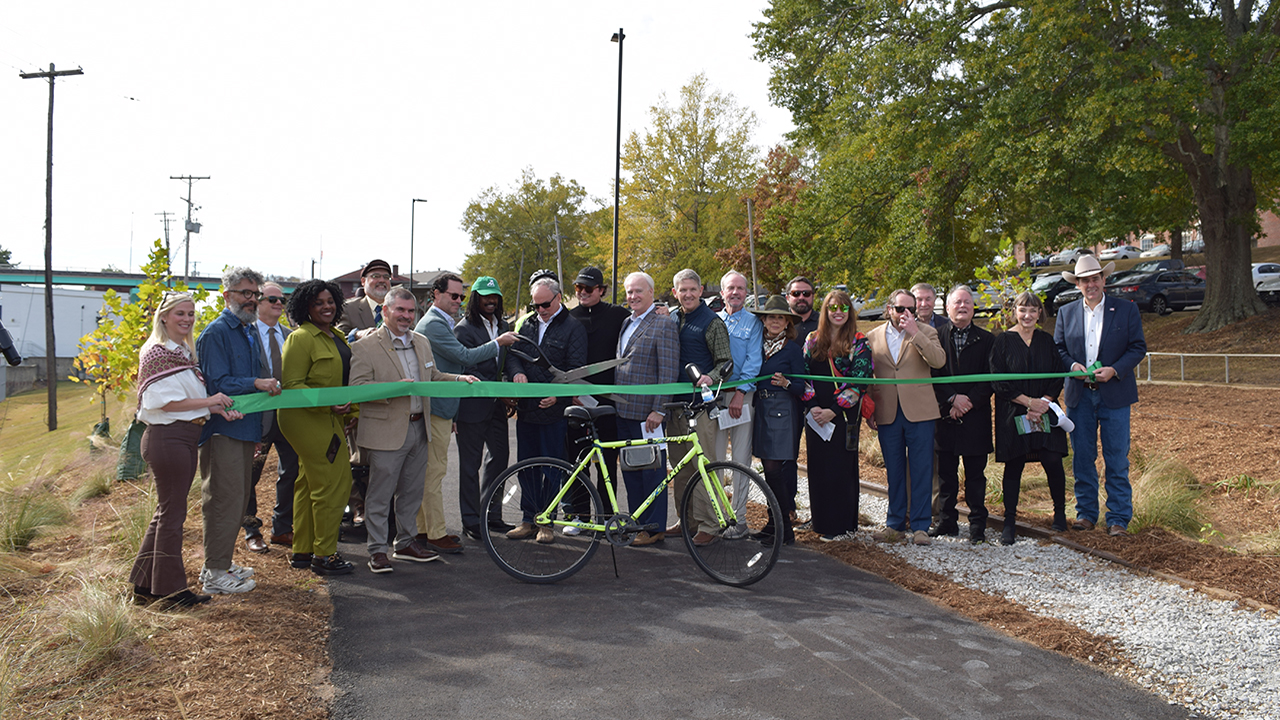
Entergy Mississippi Opens Capitol Green Connector, First Phase of Downtown Museum Trail
Ed Gardner stood on Commerce Street this morning and called the Capitol Green Connector a "really important investment"...

Des Moines Police Warn of Chevron Credit Union Scam Targeting Beaverdale Residents
Des Moines police are warning Beaverdale residents to ignore notices left on their doors that claim to be...