
Family estrangement is increasingly being managed through low contact
strategies, where individuals limit interactions rather than cutting ties entirely.
The Rise of Low Contact as a Boundary Tool
Despite this, for many, the strategy is a necessary mechanism to maintain personal well-being.
Navigating Sibling Bonds and Complex Dependencies
Sibling relationships are often the longest-lasting bonds in a person’s life, yet they remain vulnerable to the same volatility as any other familial connection. According to Geoff Greif, a professor at the University of Maryland School of Social Work, these relationships have a profound effect, often more than pretty much anyone else
due to a shared history that friends cannot replicate. Research published by Greif in Adult Sibling Relationships suggests that roughly 45% of adults count at least one sibling among their best friends, while 64% consider themselves a good friend to at least one.

However, the reality of these bonds can be fraught, especially when mental health issues or manipulative behaviors are involved. In one instance detailed by [deleted], an individual described a sibling who repeatedly staged suicide attempts and lied about physical altercations with emergency personnel. The source noted the emotional toll of such manipulation: If that is not fucked-up I don’t know what is.
For such individuals, the decision to pull away is not just a preference but a survival strategy for their own mental health.
Systemic Barriers in Foster and High-Needs Families
The challenges of maintaining sibling connections are exacerbated in the child welfare system. Imprintnews reports that foster youth often face separation from siblings, which compromises their sense of identity and security. For many, these bonds are treated as optional by agencies, despite evidence that keeping siblings together improves emotional and mental health outcomes.
This dynamic can lead to parentification,
where an older child is forced into an emotional caregiving role for younger siblings without receiving the necessary support themselves. A study involving 605 Italian adult siblings, published in Frontiers in Psychiatry, highlights how sibling-focused parentification can negatively affect the quality of relationships within the entire family system. The research indicates that while social support acts as a protective factor, the distress caused by these forced roles can severely complicate a person’s ability to maintain a healthy relationship with their siblings into adulthood.
Strategies for Maintaining Emotional Security
For those navigating these complex relationships, experts and individuals alike suggest that clear, consistent boundaries are key. Whether dealing with a parent or a sibling, the focus often shifts from changing the other person to managing one’s own exposure to volatility. One individual shared the advice they received: My therapist said to me: you can’t control their behaviour, but you can control what you allow in and how it affects you.
- Limiting communication: Answering the phone only when necessary or keeping conversations brief and topic-focused.
- Deflection: Using a script to steer conversations away from personal topics that might trigger conflict.
- Prioritizing the vulnerable: Focusing on the needs of children or other family members who depend on the connection, while keeping one’s own emotional life private.
The evolution from the obligatory interactions of childhood to a supportive, adult friendship is possible, provided both parties are willing to engage in the work of maintaining the bond. For those who cannot, low contact remains a viable path to preserving the relationship’s existence without compromising personal safety or security.
CDC Reports Third US Measles Death in 2026
The Centers for Disease Control and Prevention confirmed its third measles death of 2026 on October 20, as...

Adeno-Associated Virus Gene Therapy Targets Hydrocephalus
Researchers at the University of Cincinnati and UC Davis have demonstrated a preclinical proof-of-concept for an experimental gene...

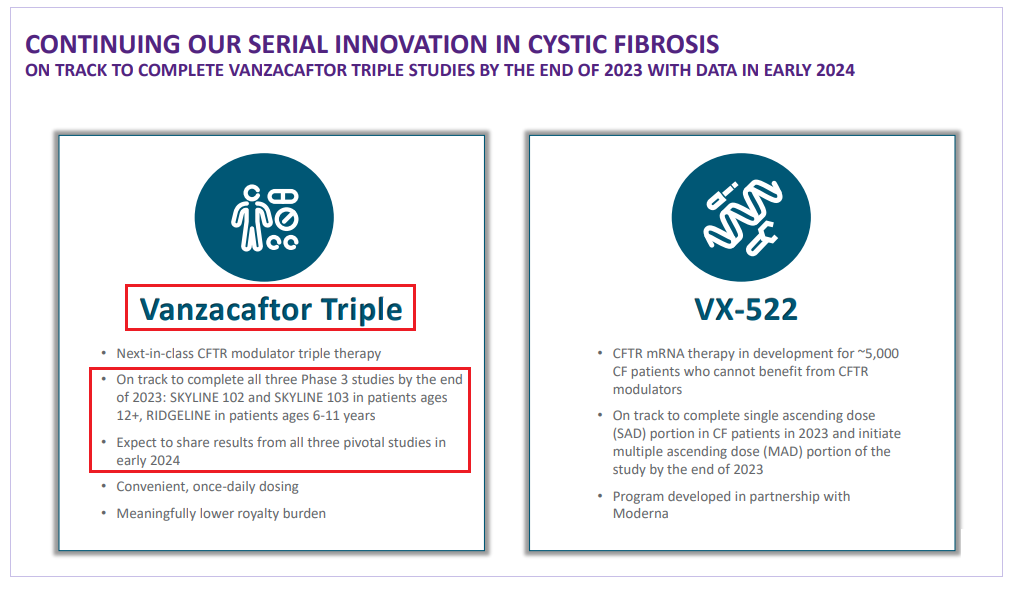
Vertex Backs Research on Early Cystic Fibrosis Intervention
Nonsense mutations account for about 10% of cystic fibrosis cases, while new preclinical research published on September 29,...