
Thousands of Maine workers are now accessing paid time off for childbirth, serious illness, and family care thanks to a statewide program that launched this year, providing a financial safety net for those whose employers don’t offer private leave policies. According to a report from the Maine Department of Labor, 4,720 claims were approved between March 30 and June 30, with the average weekly benefit reaching approximately $816.
This shift moves Maine into a growing cohort of states—including Massachusetts, Connecticut, and Rhode Island—that recognize paid leave not just as a workplace perk, but as a civic necessity. By replacing a significant portion of lost wages, the program aims to prevent the “financial cliff” many families hit when a medical crisis or a new baby arrives, allowing workers to maintain stability without sacrificing their jobs or their health.
The human math of paid leave
For Andrew Thompson, a baker at Scratch Bakery in South Portland, the program wasn’t just a convenience; it was a requirement for his family’s survival. When his wife, Katherine, gave birth to their daughter, Lucy, in January, Katherine had access to leave through her role as an elementary school teacher. Thompson, however, worked for a business without its own paid leave program. He used the state program to take May, June, and July off.
Thompson, a resident of Bath, noted that while he has reliable hours, his pay isn’t “robust.” Without the state’s support, he says his family—who live frugally—would have faced a “pretty different scenario” to make ends meet. Beyond the money, the leave allowed him to bond with his daughter and learn the essential skills of new fatherhood without the immediate pressure to return to the ovens.

New parents and medical crises drive initial claims
The initial data from the Maine Department of Labor’s first claims report reveals exactly who is utilizing the benefit. The demand is split almost evenly between new parents and those facing their own medical crises.
| Reason for Leave | Percentage of Approved Claims |
|---|---|
| Pregnancy or bonding with a child | 45.6% |
| Medical leave (non-pregnancy) | 42.4% |
| Caring for a family member | 11.6% |
The law allows eligible workers to receive up to 90% of their pay for 12 weeks. For those who have worked for their employer for at least 120 consecutive days, the program also guarantees job protection, meaning their position (or an equivalent one) will be waiting for them upon their return, as detailed on the official Maine.gov PFML portal.
Paid leave may boost workforce participation
While the immediate impact is felt in the home, state officials are looking at the broader economic horizon. Luke Monahan, director of paid family and medical leave with the Maine Department of Labor, suggests the law will eventually boost workforce participation. The logic is simple: people who were forced onto the sidelines by caregiving duties or health issues may now feel financially secure enough to re-enter the labor market.
“People who were on the sidelines now may be able to come back into the workforce,” Monahan said.
This isn’t just speculation. Monahan points to a 2020 study by the Institute for Women’s Policy Research, which found that similar programs in New Jersey and California successfully increased workforce participation for women. State Sen. Mattie Daughtry, D-Brunswick, adds a demographic layer to the argument, noting that the ability to afford raising children in Maine may incentivize families to stay in the state rather than moving elsewhere for better support systems.
The cost of entry and the friction of bureaucracy
The program is not free, nor is it without friction. It is funded via a 1% payroll tax, split evenly between the employer and the employee.
Beyond the cost, there is the hurdle of accessibility. Of the 6,492 claims filed, the state denied 1,772 of them. The reasons ranged from missing documentation and failing to meet minimum income requirements to identity verification issues.
Destie Hohman Sprague, executive director of the Maine Women’s Lobby, views this as a growing pain rather than a systemic failure. She points out that for most applicants, this is the first time anyone in their family has ever applied to such a program. The “learning curve” is steep for both the workers submitting the forms and the administrators processing them.
As the program moves into 2027, the Department of Labor expects participation to climb as public awareness grows, eventually plateauing as the system stabilizes. For now, the state remains a testing ground for whether a social safety net can successfully balance the needs of the modern family with the demands of a lean economy.

FEMA Approves More Than $86 Million for Southeast Disaster Recovery
Federal disaster relief efforts in the Southeast received a massive infusion this week as the Federal Emergency Management...

Scott Fitzpatrick: GOP Auditor Defends Independent Record for Reelection
Auditor Fitzpatrick Touts GOP Independence in Missouri's 2026 Statewide Race “And my record, going all the way back...
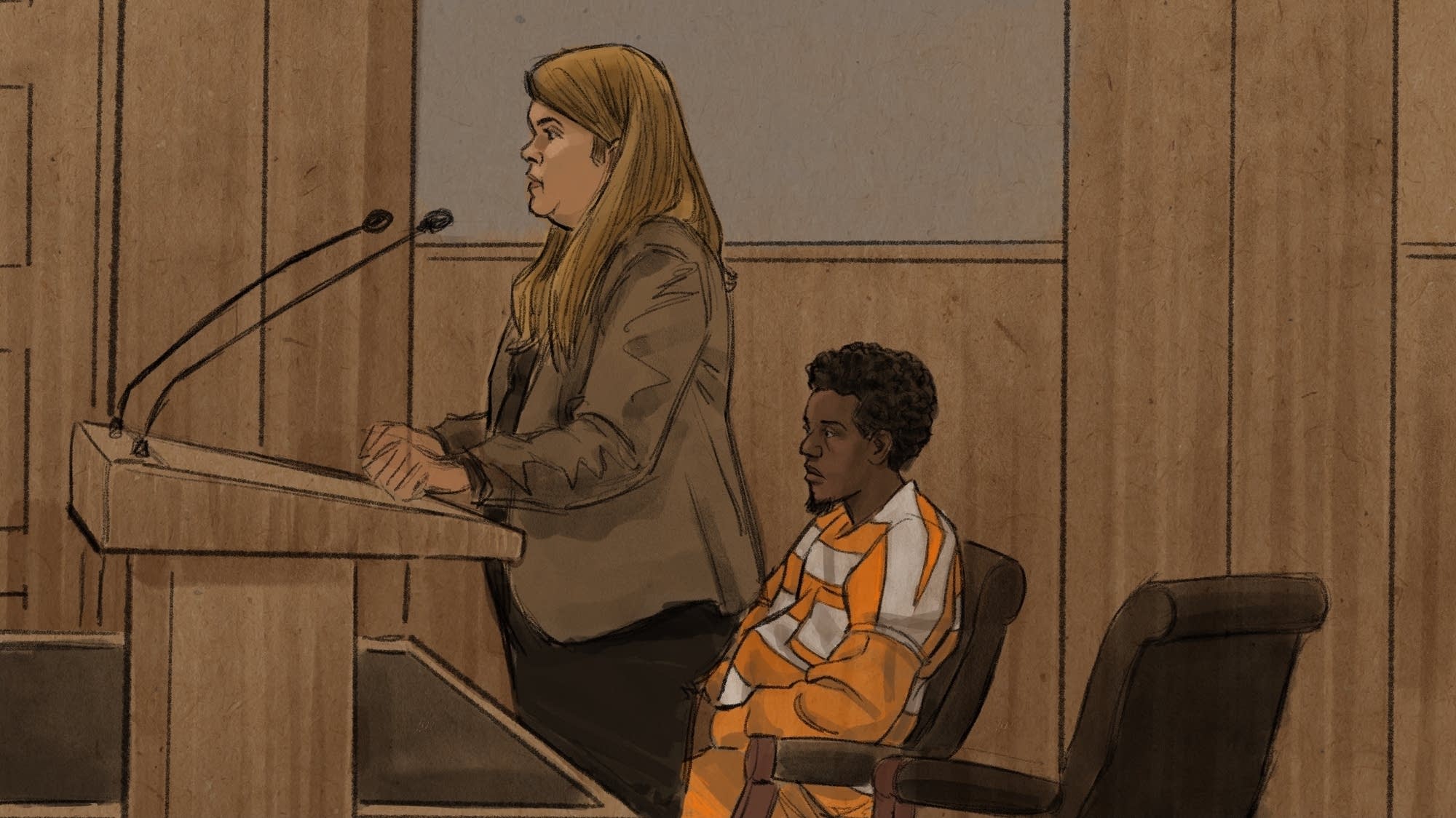
Feeding Our Future Architect Salim Said Sentenced to 30 Years in Prison
Salim Said, a central figure in the massive Feeding Our Future fraud scheme, was sentenced to 30 years...

Kerby Joseph Returns to Lions Practice After Knee Injury
The Detroit Lions are getting a critical piece of their secondary back. Head coach Dan Campbell announced Wednesday...