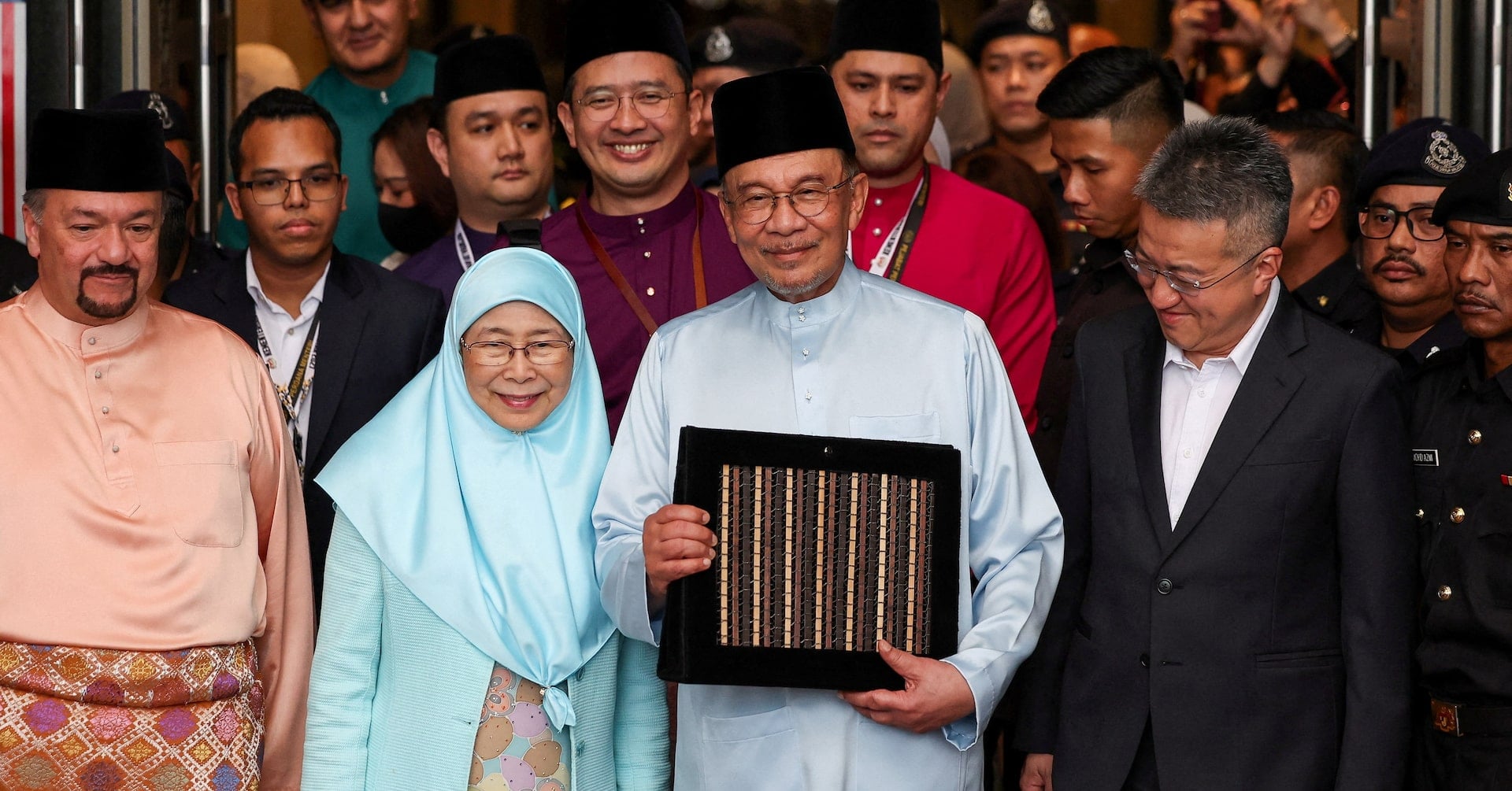
Malaysia Prime Minister Anwar Ibrahim tabled an expansionary budget of 459.8 billion ringgit on October 9, 2026, boosting welfare assistance, raising minimum wages to 2,000 ringgit per month starting in June, and expanding individual income tax relief to help households manage rising living costs ahead of a possible early election.
Anwar Ibrahim Tables Record 459.8 Billion Ringgit Spending Plan
Prime Minister Anwar Ibrahim presented a moderately expansionary national budget in parliament on Friday, marking the highest spending plan in the country’s history as he enters the final stretch of his leadership term. The proposed federal expenditure of 459.8 billion ringgit represents an increase of roughly 10 percent over the revised 2026 allocation of 444.1 billion ringgit, driven by ballooning energy subsidies and a push to bolster domestic demand. Operating expenditure accounts for 376.8 billion ringgit of the total, while development spending claims 83 billion ringgit, primarily directed toward infrastructure projects as outlined in the official financial papers.
Global energy pressures have complicated the fiscal ledger. Annual subsidy bills swelled amid higher energy costs stemming from the conflict involving Iran, prompting the government to revise its 2026 fiscal deficit target upward to 3.6 percent of gross domestic product from 3.5 percent according to the accompanying economic outlook reports. Subsidies and social assistance spending are expected to reach 74.5 billion ringgit this year before edging down slightly to 72.7 billion ringgit in 2027. Despite these pressures, the projected fiscal deficit for 2027 is forecast to decline to 3.3 percent of GDP as economic activity remains resilient.
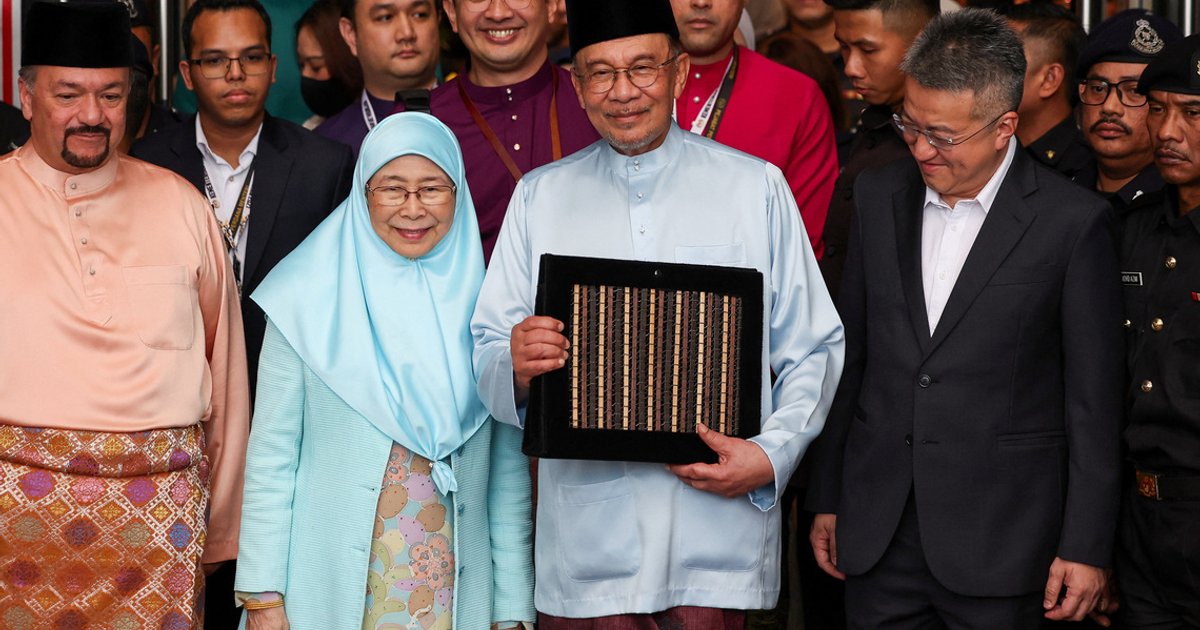
This does not represent a departure from fiscal consolidation. It demonstrates the value of having built the capacity to respond when circumstances demand it.
Anwar Ibrahim, Prime Minister and Finance Minister
Wage Floor Adjustments and Income Tax Relief for Households
To combat cost-of-living pressures that Anwar described as the main issue burdening the public, the administration introduced sweeping income reforms. The monthly minimum wage will rise from 1,700 ringgit to 2,000 ringgit effective June, a change that is expected to benefit more than four million workers. Micro, small, and medium enterprises with annual revenues under 50 million ringgit will receive a temporary exemption to give smaller businesses time to adapt their business models.
Alongside the baseline wage increase, the government established a minimum starting salary of 2,500 ringgit per month for semi-skilled workers and graduates. Government-linked investment companies and government-linked companies committed to raising their living wage benchmark from 3,100 ringgit to 3,400 ringgit monthly to benefit an estimated 230,000 employees. Individual income tax relief will climb to 12,000 ringgit annually from 9,000 ringgit, marking the first revision to the bracket since 2010.
Government Partners with Grab to Support Gig Workers
Gig economy workers received targeted attention in the spending plan. The government partnered with ride-hailing giant Grab to jointly fund a 160 million ringgit package aimed at boosting net incomes and welfare protections for approximately 600,000 e-hailing drivers and delivery riders.
Economic growth for 2026 was revised upward to the upper end of a 4.8 percent to 5.3 percent range following a 5.7 percent expansion in the first half of the year, bolstered by strong demand for semiconductors and artificial intelligence technology. For 2027, the economy is projected to grow between 4.2 percent and 5.2 percent, while headline inflation is forecast to range from 1.8 percent to 2.8 percent amid sustained domestic demand and lagged cost transmissions.
Political Pressures and the Timeline for National Polls
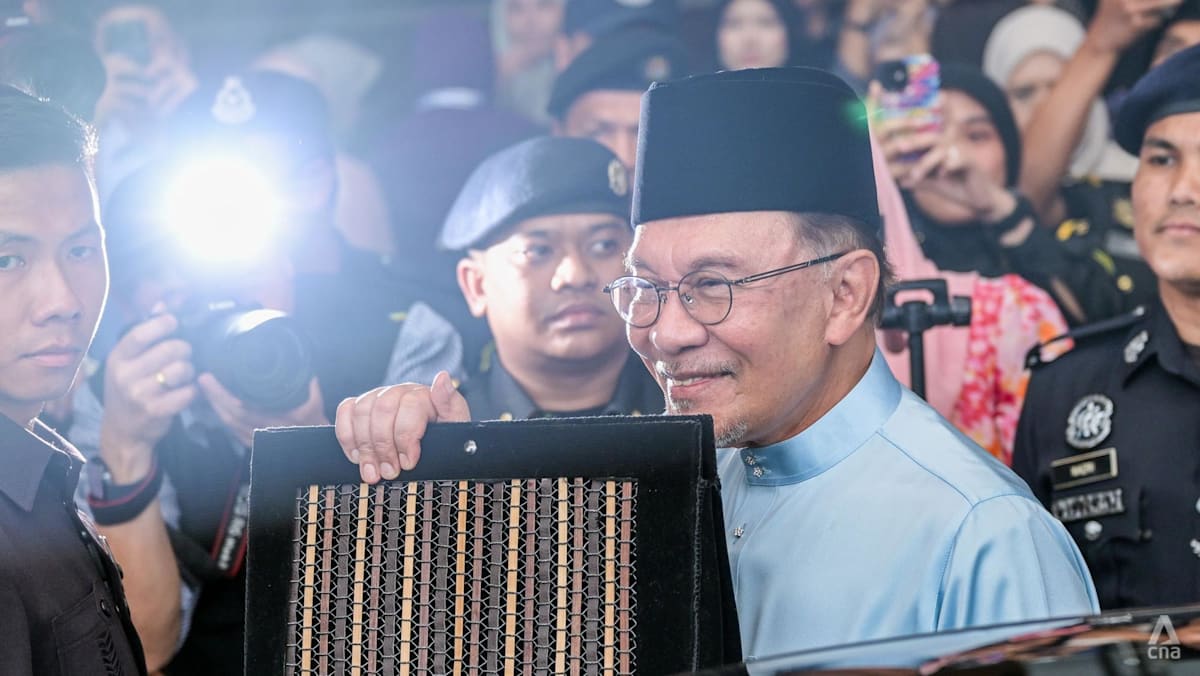
The expansion comes against a backdrop of political friction as Anwar’s Pakatan Harapan coalition faces regional election setbacks and internal tensions within its multi-party alliance with allied factions. While the next general election is not constitutionally required until February 2028, analysts suggest the accelerated deployment of subsidies and populist measures indicates that the political calendar is shorter than the official deadline. Parliament is scheduled to debate the budget at the policy level for eight days beginning October 12, with ministerial responses to follow starting October 26.
Keep reading

Somalia Parliament Advances Central Bank Amendments and Judicial Bill
Somalia’s House of the People approved an international judicial cooperation bill and advanced Central Bank amendments during a...
5,285 Still Missing as Nepal Ends Search for August 26 Flood Victims
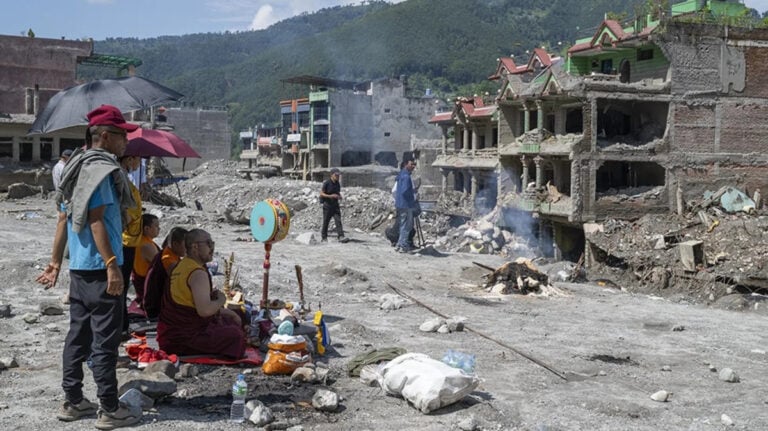
Nepal has concluded active search operations for victims of the catastrophic August 26 floods, leaving 5,285 people still...
Groups: Israeli Forces Kill or Wound Palestinians Every 90 Minutes in Gaza
One year after a ceasefire agreement mediated in October 2025, humanitarian groups and international organizations report that Israeli...

Ethiopian Drones Strike Eritrean Forces Near Adigrat in Tigray Escalation
Ethiopian government forces launched drone strikes against Eritrean military positions near the northern town of Adigrat this week,...