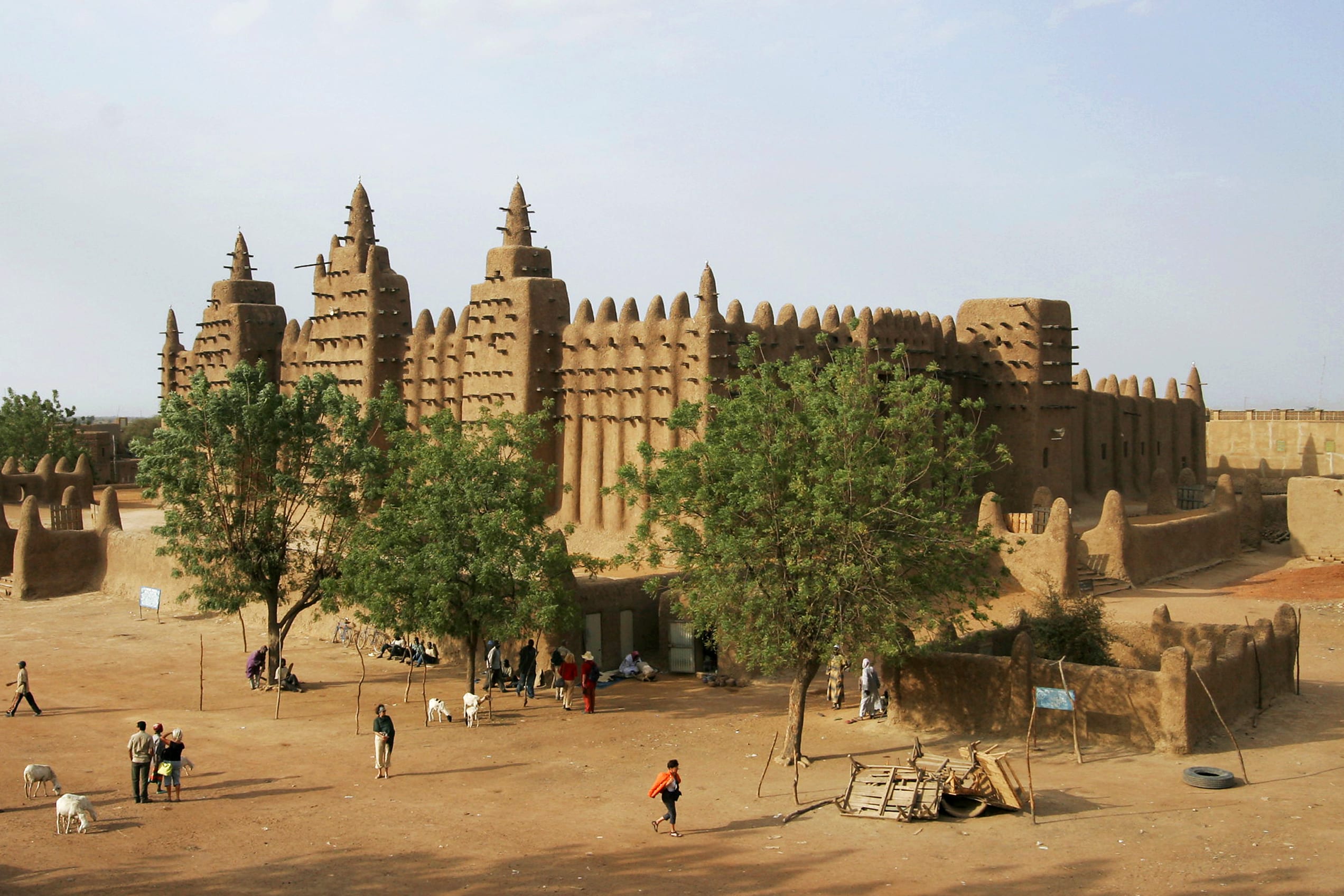
A wave of simultaneous attacks launched across Mali has upended the country’s security landscape. According to government statements, the initial day of combat resulted in 16 civilian and military injuries alongside limited material damage.
Coordinated Assaults and High-Level Casualties in Mali
The assault also wounded other senior figures within the junta. Intelligence service chief Gen. Modibo Koné and armed forces chief of staff Gen. Oumar Diarra both sustained gunshot wounds during the Kati attacks. Meanwhile, junta leader Gen. Assimi Goïta was exfiltrated from Kati on Saturday, April 25, 2026, to a secure location, according to a Malian security source who spoke with Agence France-Presse.
Tactical Coordination Between JNIM and the Azawad Liberation Front
The alliance between JNIM and the FLA represents a significant escalation in a conflict that began with the northern Tuareg rebellion in 2012.
Nsaibia noted that both organizations share an objective of finishing the common enemy,
which they define as the Malian armed forces and Russia’s Africa Corps paramilitary group. FLA spokesperson Mohamed Elmaouloud Ramadane described the partnership to The Associated Press as a form of tactical coordination
focused on joint military operations. Ramadane added that the groups agreed that once northern Mali secures its independence, local communities will determine what version of sharia is applied.
Russian Paramilitary Withdrawal and Control of Kidal
As fighting continued, Tuareg rebels asserted control over strategic northern territory. A diplomatic source confirmed that the Russian fighters coordinated their departure with the separatist movement, and local residents reported seeing a military convoy depart while armed fighters occupied the streets.
The shifting control extends beyond Kidal. While combat operations have subsided in Gao, separatist fighters remain stationed near the city’s outskirts. In Sévaré, located in central Mali, local elected officials reported that the security situation remains confused amid intermittent gunfire. Calm returned to the junta stronghold of Kati by Sunday afternoon following morning gunfire.
Expanding Influence and Operational Strain Across the Sahel
The security deterioration follows years of military rule that began with the 2020 coup d’état, launched in response to ongoing insurgencies. Rather than stabilizing the country, military leadership has coincided with an expanded territorial footprint for armed groups across the Sahel, a region identified by the Institute for Economics and Peace as accounting for up to half of all global terror-related deaths.
JNIM, formed in 2017 through the merger of four al-Qaida-affiliated groups and led by Iyad Ag Ghaly, has stretched Malian military resources across multiple fronts. Beyond armed assaults, the group maintains a fuel import blockade disrupting supplies to Bamako and is expanding its reach toward coastal West Africa.
Unresolved Questions and the Future of Military Rule
The death of Defense Minister Sadio Camara leaves the ruling junta’s trajectory highly uncertain. Compounding the political vacuum, Gen. Assimi Goïta has remained out of sight and has not addressed the public since hostilities began. Observers have also noted a conspicuous silence from leadership within the Alliance of Sahel States, a confederation linking Mali, Niger, and Burkina Faso.
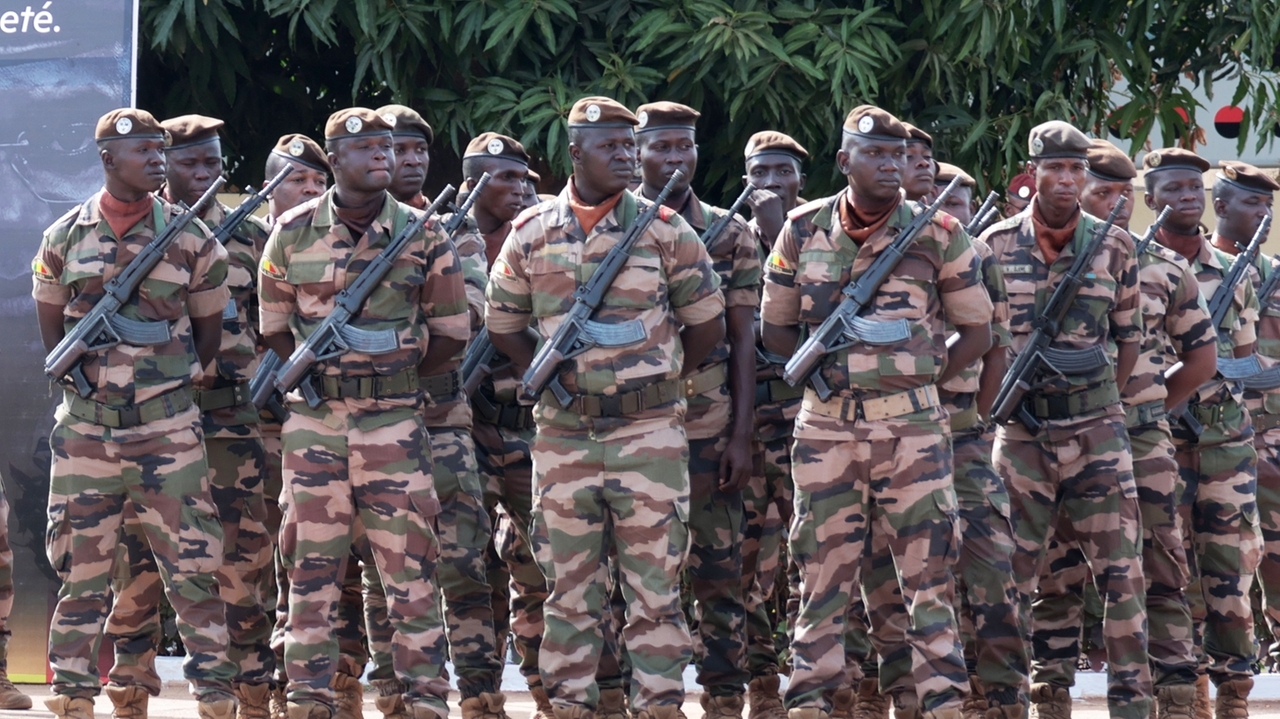
While the Malian army stated that the hunt for armed terrorist groups continues in Kidal, Kati, and other areas, the convergence of separatist ambitions in the north and persistent jihadi expansion leaves state institutions facing their most profound test since the military seized power.
Related reading
China’s Defence Minister Dong Jun Urges Cooperation in AI and Outer Space
Chinese Defence Minister Dong Jun used the opening of the 13th Beijing Xiangshan Forum on September 16, 2026,...
Nepal Targets 275 Recruitment Agencies Over Malaysia Labor System
Nepal's Department of Foreign Employment is investigating 275 recruitment agencies after Malaysia authorized a restricted framework for hiring...
South Africa Investigates Deaths of Seven Women Amid Serial Killer Fears
South African law enforcement agencies are investigating the deaths of seven women whose bodies were discovered in and...
Russia and Ukraine Trade Energy Strikes Despite Donald Trump Announcement
NATO fighter jets shot down a drone in Lithuanian airspace originating from Belarus, while Russia and Ukraine exchanged...