
Manchester United are prepared to take Real Madrid to court if the Spanish club complete the signing of teenage forward JJ Gabriel, a move that would see the Premier League side lose one of England’s brightest prospects for a six-figure training compensation fee. The 16-year-old, who has not trained with United since walking out in September, is on the verge of finalising a switch to Madrid despite remaining registered with the Red Devils.
According to Tyrone Marshall of the Manchester Evening News, United are “completely in the dark” over Gabriel’s situation, having received no communication from the player’s camp or Real Madrid regarding the alleged transfer. The club have attempted to contact the teenager and his representatives multiple times since he walked out, only to be rebuffed. The Guardian reports that Madrid have offered Gabriel a multi-year contract and hope to bring him to Spain in January, with the move hinging on a FIFA loophole that allows EU clubs to sign young players holding European Union passports.
A Talent Walking Out the Door
Gabriel’s departure crystallises a frustration that has been building since the summer. The attacker was part of United’s first-team pre-season and appeared in a friendly against Atlético Madrid in Stockholm in August at just 15 years old. Had he not informed the club of his wish to leave, he would have been in Michael Carrick’s squad for the 3-2 Carabao Cup defeat to Brighton on 16 September, a match in which he would have become the youngest player in Manchester United’s history. Instead, he and his camp grew frustrated over the lack of immediate first-team opportunities and walked out soon after scoring a hat-trick in the UEFA Youth League against Sabah.
Manchester United have had no contact with Real Madrid or JJ Gabriel's family over a move to the Bernabeu. United have tried to contact Gabriel's family since he walked out in September to check on his wellbeing, but have had no response.#MUFC weighing up legal action against…
United now has little bargaining power after the player’s departure. Gabriel turned 16 in October and has since acquired an EU passport through his parents, a detail that fundamentally changes his contractual freedom. Under FIFA regulations, players under 18 cannot sign professional contracts with clubs outside their own country, but the EU passport exception allows Madrid to tie him down legally if FIFA approves the move. Bayern Munich, Paris Saint-Germain and Barcelona had also shown interest, but Real Madrid appear set to win the race.
United Assesses Potential FIFA Violations
United will be due a nominal training compensation fee of around £100,000 to £300,000, a figure the Manchester Evening News notes is much lower than Gabriel’s market value. This gap between compensation and worth is precisely what has prompted the club to consider legal action. The Red Devils remain Gabriel’s registered club until the end of the season, and they are on alert regarding any potential breach of FIFA regulations. The Guardian reports that United have yet to be contacted by either the player’s camp or Madrid about the proposed move, leaving the English club to contemplate litigation should the transfer proceed without proper protocol.
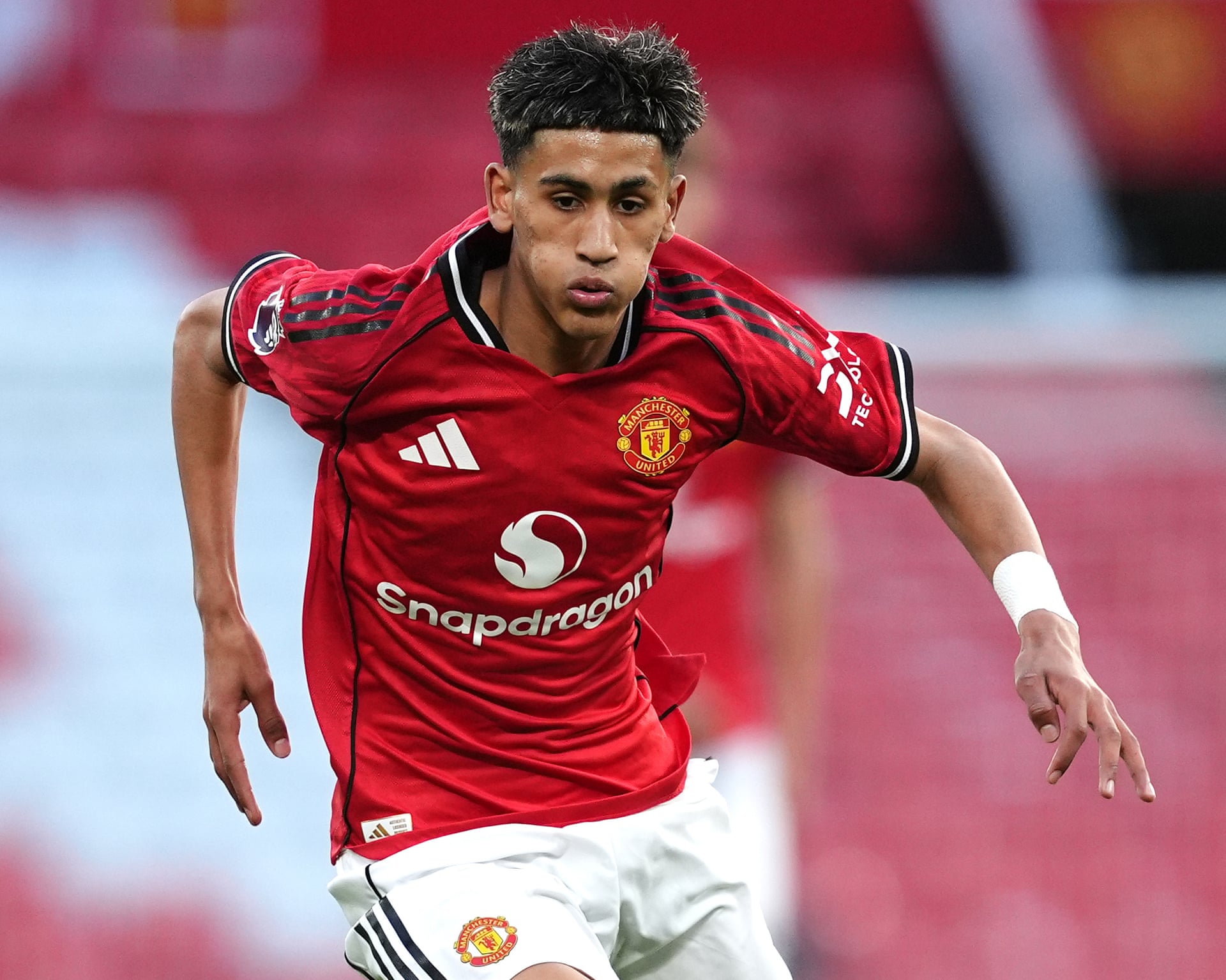
For United, the loss extends beyond the financial. Gabriel was the youngest winner of the club’s academy player of the year award last season and was named the Premier League’s Under-18 player of the season. He is believed to be training in Spain while Madrid pursue a route through FIFA that would allow him to progress to senior football via Castilla, the club’s B team competing in Spain’s regionalised third tier.
What Remains Unanswered
Multiple questions hang over the deal. FIFA must still sign off on the transfer, and it is not yet known whether United’s legal threats will materialise into formal proceedings or merely serve as negotiating leverage. Neither Gabriel’s representatives nor Real Madrid have responded to the reports, and the player himself has maintained silence since September. Whether Madrid can get FIFA’s approval before the January transfer window closes is the biggest question in a case that shows how English clubs are hurt when star players get EU passports at age 16.
More on Real Madrid
Worth a look

Pipefitter Wins Boston Logan Airport Voice Contest
A Massachusetts pipefitter has been selected as the new voice of Boston Logan International Airport, a role that...

2 Ranches Show How History Thrives in National Parks
Three National Parks Where History Still Rides on Horseback Imagine a national park where a working ranch predates...

Wisconsin Policy Forum highlights Madison’s 2027 budget pressures
Ahead of Vote, Madison's 2027 Budget Balances Services and Pressures As the Common Council prepares for next week's...
Governor Morrisey Announces Reopening of Greenbrier Labor and Delivery Services
For the families of Greenbrier Valley, the sound of a newborn’s cry will soon echo in a familiar...