
Maryland faces a $3 billion budget gap
Maryland Democrats are entering a high-stakes legislative session to determine if they can fulfill campaign promises of affordability while facing a projected $3 billion budget shortfall.
The upcoming decisions in Annapolis will directly influence state taxes, service access, and the cost of essential programs for residents, according to a report by foxbaltimore.com.
Governor Wes Moore recently addressed the fiscal tension following his reelection. He told reporters that the state “will address affordability,” though he stopped short of ruling out the possibility of increasing taxes or fees to bridge the deficit.
Fiscal constraints are tightening. To manage a previous $1.4 billion shortfall during the 2026 session, lawmakers implemented nearly $1 billion in cuts to state programs. These reductions included $127 million from the Developmental Disabilities Administration, which manages healthcare services for individuals with intellectual and developmental disabilities.
As the 2027 session approaches, the Maryland Department of Budget and Management has instructed cabinet-level agencies to identify 10% cuts in their budget proposals. This directive follows a period of budget adjustments to maintain a balanced budget, a requirement mandated by state law.
The debate over revenue and spending
Democratic leaders are looking toward corporate tax reform and federal stability to stabilize the state’s finances. House Majority Leader David Moon, a Montgomery County Democrat, suggested that easing costs for residents may depend on restoring federal funding for Medicaid and the Supplemental Nutrition Assistance Program (SNAP). Moon also noted that international tensions, specifically the war in Iran, continue to drive up gas prices.
At the state level, Moon proposed expanding the list of medications eligible for price caps. He also advocated for changing tax rules to ensure large corporations, such as Amazon, contribute more to state income taxes.
🚨 MARYLAND DEMOCRATS PROMISED AFFORDABILITY — NOW THEY FACE A $3 BILLION BUDGET HOLE Gov. Wes Moore and Maryland Democrats campaigned on lowering costs for working families. Now, days after winning another election, they’re confronting a projected $3 billion structural budget…
“Some of these corporations have plenty of customers in Maryland, but are paying little to no income tax,” Moon said. “Questions about this are going to return.”
However, these proposals face potential legal hurdles. Moon pointed to the state’s previous attempt at a digital advertising tax, which the Maryland Tax Court struck down, a decision that jeopardized more than $500 million in projected revenue.
Republican lawmakers argue that the Democratic platform lacks a realistic path to affordability without fundamental shifts in spending. Senate Minority Whip Justin Ready, representing parts of Carroll and Frederick counties, characterized the affordability message as a campaign talking point.
After consistently campaigning on affordability, Maryland Democrats are facing an early test of whether they can deliver on that promise. The choices lawmakers make in the coming session could affect Marylanders’ taxes, their access to state services and the cost of programs… pic.twitter.com/KgeRqmCZ3B
Ready suggested that the state should reduce scheduled spending increases for The Blueprint for Maryland’s Future. He also proposed withdrawing from renewable energy programs, which he claims are placing an undue burden on ratepayers.
Other Republican leaders are calling for a moratorium on new taxes. Senator Jason Gallion, representing parts of Cecil and Harford counties, stated that Marylanders have already been asked to shoulder enough of the burden resulting from Annapolis’s spending decisions.
Economic projections and political will
The divide between the parties centers on whether the budget gap is a result of external economic pressures or internal management. Democrats have attributed the shortfall to inflation and the loss of billions in federal funding. Conversely, Republicans contend that state leaders have simply spent beyond their available means.
The practical impact of these budget decisions will be felt across various sectors. While the state seeks to close the gap, the Maryland Center on Economic Policy is advocating for closing corporate tax loopholes to generate revenue. Kali Schumitz, vice president of external relations for the center, noted that state projections show general fund revenues increasing by 3.3% in fiscal 2028.
Despite these projections, the immediate future remains uncertain.
House Minority Leader Jason Buckel, an Allegany County Republican, questioned whether the current administration possesses the necessary resolve to implement deep cuts. He argued that even 1% or 2% cuts across all agencies would not significantly diminish services, but suggested the Maryland Department of Budget and Management’s request for 10% cuts is a necessary exercise.
As the legislature prepares to convene, the central tension remains: can the state find enough revenue to support its social safety nets and infrastructure without increasing the financial pressure on its residents?
Social Security Benefit Cuts Loom in 2032 as Trust Fund Depletion Approaches
The federal safety net supporting millions of Americans is facing a structural reckoning that will hit retirement income...
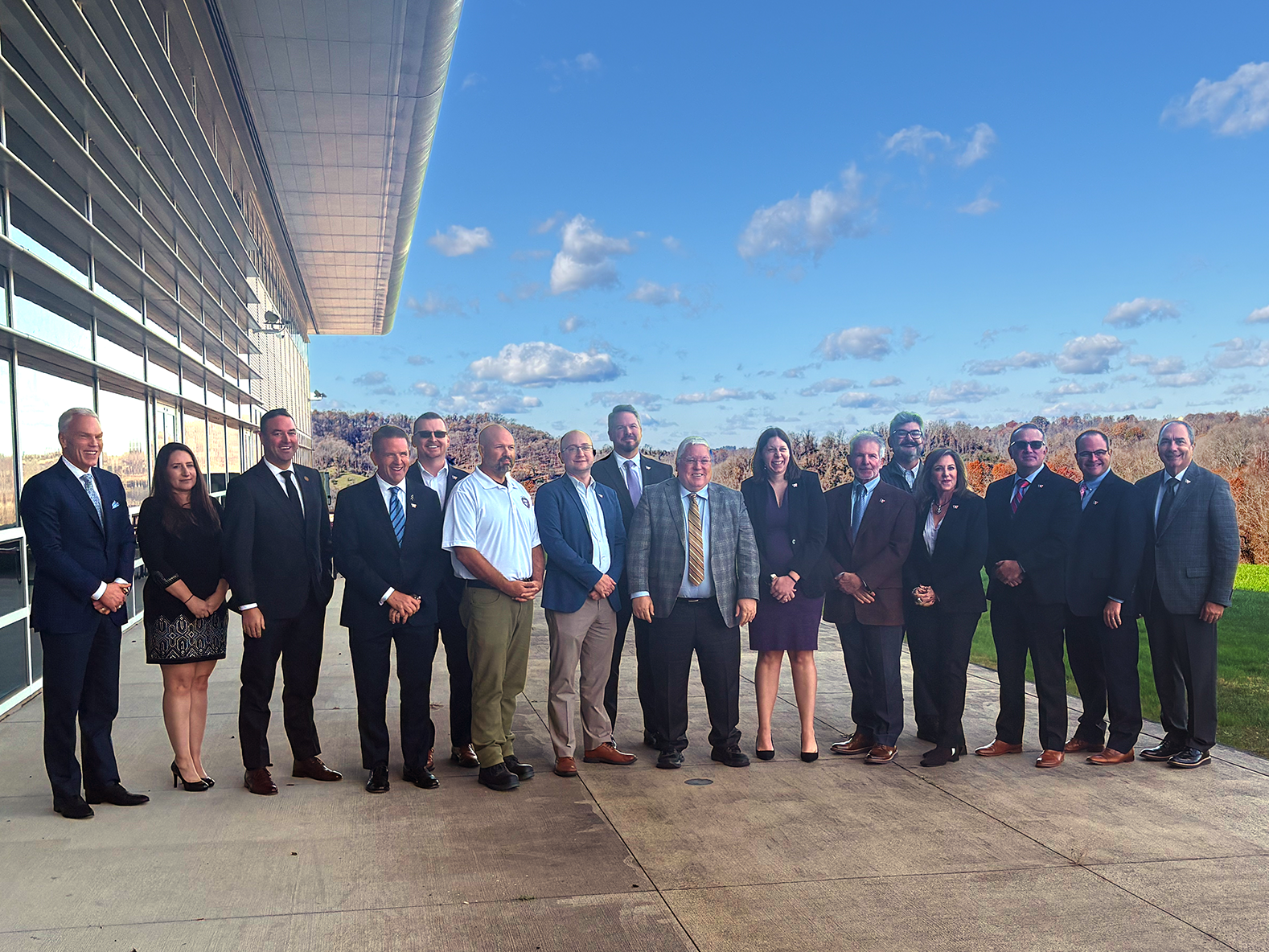
Gov. Morrisey Partners With Universities to Direct Opioid Settlement Funds
Governor Patrick Morrisey announced new strategic partnerships with six universities to manage and maximize the impact of West...

Pinole to Rehabilitate West Soccer Field With $107,000 League Funding
“When it rains, it gets really muddy and there’s puddles,” said Megan Tamayo, a 10th grader who has...

Vermont Records Lowest Foreclosure Rate in the Nation
Vermont foreclosure rates hit record lows Vermont recorded the lowest foreclosure rate in the United States this August,...