
Maine healthcare leaders demand accountability from Prime Healthcare
The authors contend that while the acquisition of Central Maine Healthcare was approved based on specific promises of stability and investment, the current reality for Maine patients and providers is diverging from those assurances.
The stakes for the state are high. Maine maintains one of the oldest populations in the United States, a demographic reality that places immense pressure on a healthcare system already struggling with workforce shortages and rising costs.
The $150 million investment promise
When Prime Healthcare Foundation sought to acquire Central Maine Healthcare, the transaction was framed as a necessary solution to the provider’s financial distress. McDonough and Woodcock write that the approval rested on several pledges made by the California-based organization.
Specifically, Prime Healthcare committed to a $150 million investment aimed at improving Central Maine’s facilities, technology, and workforce. The authors note that these commitments were central to the decision-making processes of state officials and community leaders.
In their column, the leaders call for a transparent accounting of these funds. They argue that Mainers deserve to know exactly what has been invested, where those funds have been directed, and what portion of the promised capital remains outstanding.
“Mainers deserve a clear accounting of the promised $150 million investment: what has been invested, where it has been invested and what remains to be done,” the authors wrote.
Broken promises regarding local control
Beyond the financial metrics, the authors highlight a growing concern regarding the governance of the institution. During the acquisition process, Prime Healthcare assured the state that local leadership would maintain a meaningful role in decisions affecting Maine patients and employees.
McDonough and Woodcock suggest this is no longer the case. They report seeing indications that consequential decisions regarding Maine’s healthcare are being made from afar, rather than by those on the ground.
This shift in decision-making power has reportedly led to several issues:
- Disruptions in patient care experiences.
- Growing dissatisfaction among healthcare employees.
- Challenges in retaining talented professionals in a competitive market.
The authors emphasize that healthcare is fundamentally a local service, requiring accountability to the specific communities it serves to ensure access and affordability.
The risk of systemic instability
A destabilized healthcare system in Maine would affect the state's economy and social structure. For rural communities, the loss of essential services can lead to a decline in overall regional stability and quality of life.
McDonough and Woodcock argue that the current trajectory threatens the very stability the acquisition was intended to provide. They suggest that the lack of transparency and the perceived erosion of local governance could undermine the state’s ability to manage its healthcare challenges.
The authors acknowledge that hospital management involves difficult decisions and extraordinary pressures. However, they maintain that these complexities make transparency and the fulfillment of promises more critical, not less.
The debate, they suggest, should not be framed as a conflict between California and Maine or between competing healthcare organizations. Instead, they argue the focus must remain on the patients, families, and employees who depend on Central Maine Healthcare.
The central demand from Maine’s business and insurance leaders is simple: Prime Healthcare must deliver on the terms that made the acquisition possible. They conclude that when organizations make commitments to the state, the community expects them to be kept.
Worth a look

NASA Tracks 47,000 MPH Meteor Fireball Over North Carolina and Tennessee
A fireball streaked across the sky at 47,000 mph A bright meteor traveling at 47,000 mph lit up...
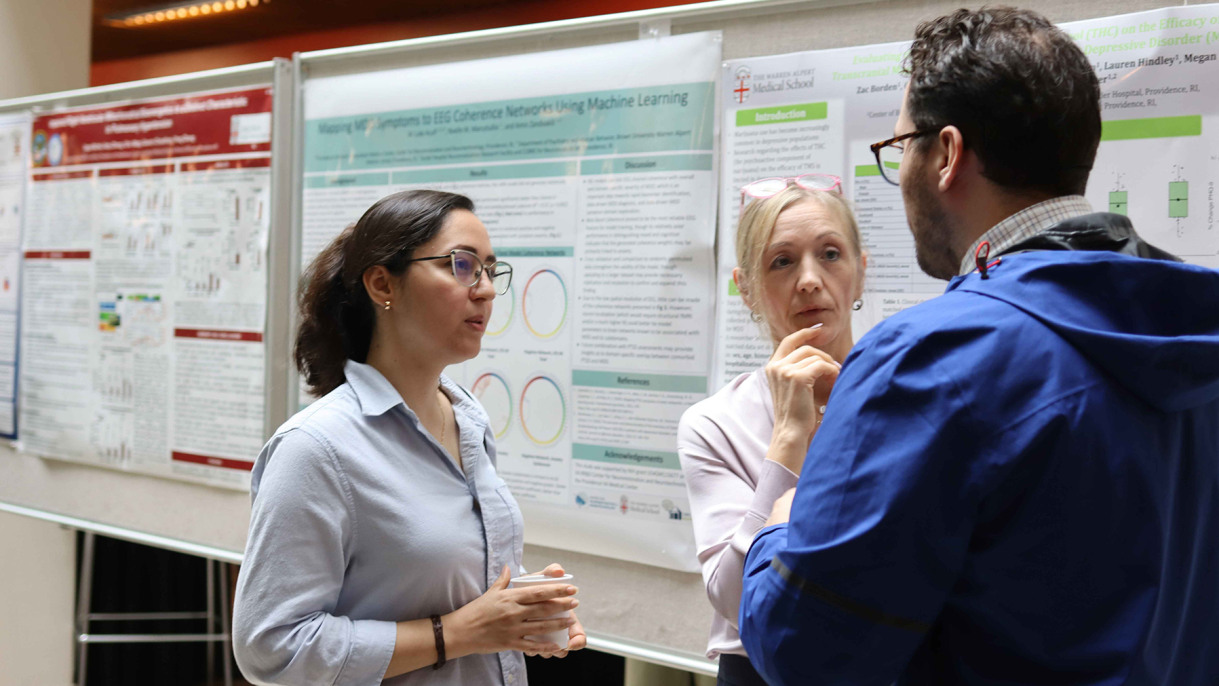
Brown University Report: $26M NIH Grant to Fund RI Research
Advance RI-CTR secures $26 million for biomedical research A federal grant of $26 million will fund the next...

Adrian Fire Chief George Martin Dies After 44 Years of Service
Chief George Martin died Saturday, Nov. 7, 2026, after suffering a medical emergency while responding to a motor...

Oklahoma Farm Bureau Concludes 85th Annual Meeting in Oklahoma City
Oklahoma Farm Bureau sets 2027 policy priorities Oklahoma Farm Bureau members convened in Oklahoma City from Nov. 6-8...