
Meta unveiled its $1,299 Meta VR Glasses at the Connect conference on September 23, 2026, featuring a 100-gram spectacle design and a tethered computing puck. Scheduled to ship in spring 2027, the headset targets Apple’s Vision Pro while refocusing the company’s hardware strategy away from the broader metaverse.
For a decade, virtual reality hardware carried a heavy physical price. Headsets required users to strap bulky visors loaded with batteries and chips directly to their faces, a trade-off that kept many shoppers away from the category. Meta Platforms is now attempting to break that pattern with a lighter form factor and a deliberate pricing strategy. Over the past ten years, virtual reality required users to wear heavy visors on their faces and accept certain compromises, as ideal tech is meant to vanish entirely. That compromise discouraged many buyers from entering the market, even as mobile phones and earbuds evolved into everyday carry items. Smart frames shifted the paradigm by resembling standard spectacles, retailing for a few hundred bucks, and requiring minimal adjustments to daily routines, ultimately capturing the majority of the extended reality (XR) sector based on figures from International Data Corporation (IDC). Tech companies recognize this dynamic and dedicate every autumn season to persuading consumers that their latest release deserves a purchase. Most years the honest answer is to wait, but some years the price tells you more than the specs do, and now Meta Platforms (META) is asking you to pay up for the next step.
Meta Connect Reveals the $1,299 VR Glasses and Tethered Architecture
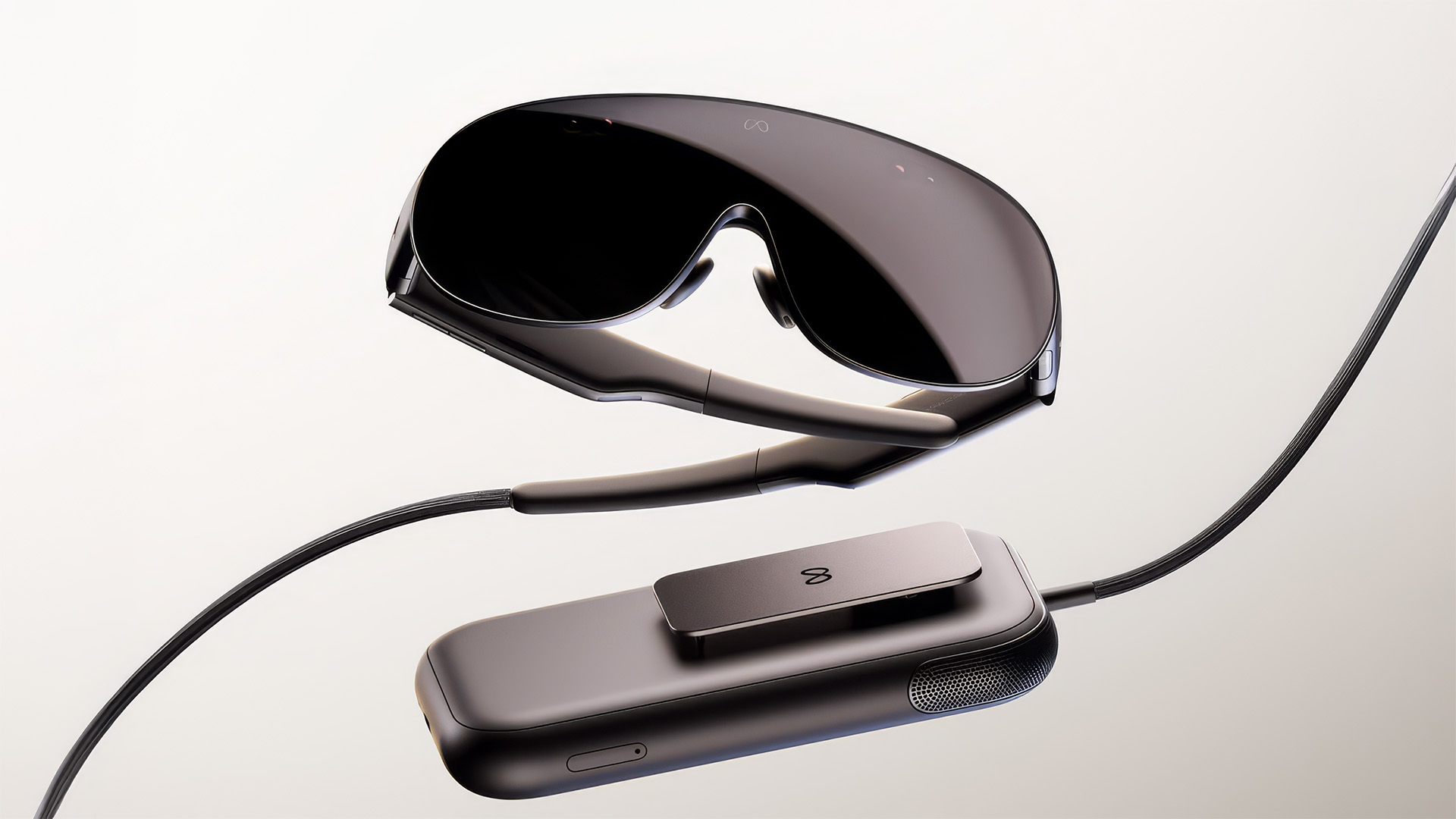
At the annual Meta Connect conference on September 23, 2026, Chief Executive Mark Zuckerberg introduced a new line of eyewear, anchored by a virtual reality device priced at $1,299 USD (approximately Rs 1.24 lakh) that shifts core computing off the user’s head. Scheduled for release in spring 2027, the headset weighs approximately 100 grams (about 3.5oz, making it five times lighter than the Meta Quest 3), achieving its light frame by offloading high-heat components, storage, and the battery into a pocketable tethered puck weighing roughly 300 grams.
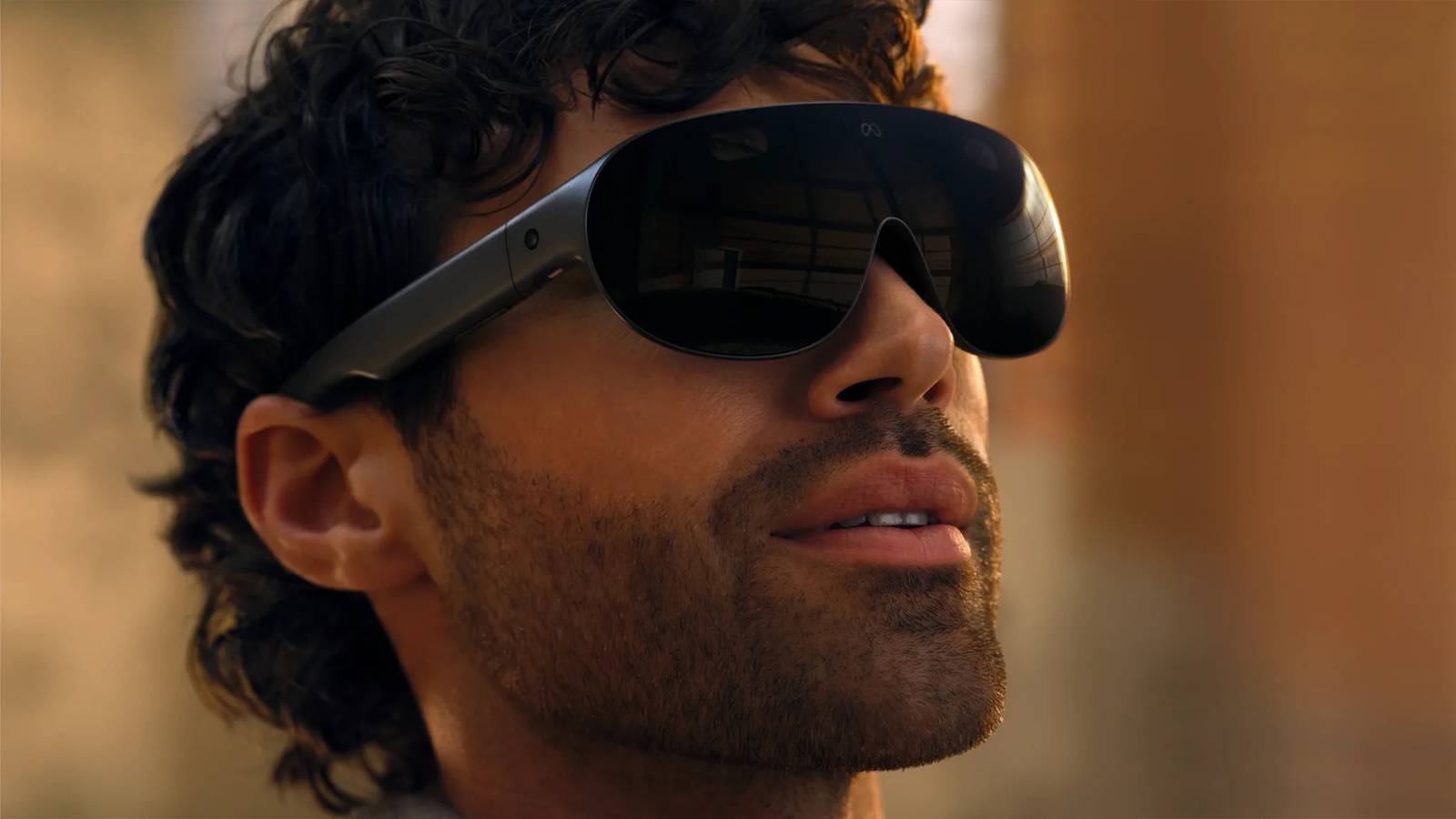
That external puck houses the Snapdragon Reality Elite processor, battery, and 128GB of expandable storage, along with a microSD slot and a battery rated for up to three hours of continuous video playback with 45W fast charging over USB-C. The CPU-and-battery approach rules out using a third-party battery pack. The glasses themselves hold the displays and sensors, specifically two micro-OLED panels behind custom pancake lenses that Meta markets as a 5K Infinite Display
(2.5K per eye) with 37 pixels per degree. According to launch specifications provided by Meta, the resolution hits 2412 x 2288 pixels per eye at a maximum 120Hz refresh rate, complemented by a horizontal field of view spanning roughly 70 degrees. The magnesium alloy frame also acts as the heatsink, and the device features six external cameras for color passthrough and tracking, as well as four internal eye-tracking cameras.
Direct Challenge to Apple Vision Pro on Weight and Price
Meta has taken a direct swing at Apple, unveiling the Meta VR Glasses designed to bring personal entertainment, desktop computing, and gaming into a glass-like frame. The headset does away with the heavy, ski-goggle design seen on Apple’s Vision Pro and instead chooses an ultra-light spectacle design by offloading its processor, battery, and storage to an external, pocketable tethered puck. With an accessible price of $1,299, Meta is directly challenging Apple’s $3,699 Vision Pro. Apple’s device scales between 600 and 650 grams on the face depending on the generation and configuration, requiring a heavy visor to house its hardware while adding an external battery pack weighing 353 grams. Apple’s spatial computer features an architecture with M2 and R1 chips, 16 GB of unified memory, and 23 million pixels. Meta’s hardware undercuts it at $1,299 while providing a high angular density of 37 pixels per degree on its 5K Infinite Display. Meta's horizontal field of view spans roughly 70 degrees, and the open-sided spectacle frame paired with passthrough cameras ensures users stay aware of their surroundings.
Cinema Push, IMAX Certification, and a Shift Away From the Metaverse
Rather than positioning the hardware purely for gaming, Meta emphasized personal media consumption, virtual desktop workspaces, and live sports. Meta introduced the Meta VR Glasses as their initial headset geared toward filmmakers, marketing the device as a personal theater equipped with Dolby Vision, IMAX Enhanced certification, 3D blockbusters, and 180-degree immersive sports broadcasts. Consequently, Meta has targeted the exact seated, high-end entertainment experience established by Apple’s Vision Pro, delivering it at less than half the cost and a fraction of the weight. The device lets you watch movies from Disney+ in their intended aspect ratio as the first IMAX Enhanced certified VR device.

Alongside the high-end headset, the company announced Ray-Ban Meta Audio, its first-ever audio glasses and its biggest expansion of AI glasses yet through a partnership with EssilorLuxottica, priced at $349 according to the company’s announcement. Before the year concludes, the manufacturer plans to provide upwards of 100 distinct eyewear selections spanning the Ray-Ban, Oakley, and Meta collections, featuring featherlight frames built for continuous daily wear alongside updated editions boasting slimmer profiles and extended battery longevity. Ray-Ban Meta Audio has been the most popular feature since day one because the glasses give high-quality sound without closing users off from the world around them, while new AI features help users on the go with sports scores, local restaurant picks, translating live conversations, and managing daily life through a connection to a personal AI agent from Muse.
Keep reading
AI Market Volatility Erases Trillions Before Rebound
Stock markets swung wildly over a recent two-week period, erasing and then recovering hundreds of billions of dollars...

TASK#STOMP Malware Uses Windows Tools to Steal Sensitive Enterprise Data
Security researchers have uncovered TASK#STOMP, a Windows backdoor using hidden PowerShell commands, VBScript installers, and scheduled tasks to...

South Korean Manufacturing Sentiment Rises on Chip and Cosmetic Exports
South Korea’s manufacturing sentiment rose for the fourth quarter as strong exports of semiconductors and cosmetics lifted the...
T-Mobile is giving away the new Apple iPhone 18 Pro for free — how to claim
T-Mobile launched its iPhone 18 "On Us" promotion, offering Apple's brand-new iPhone 18 Pro free of charge for...