
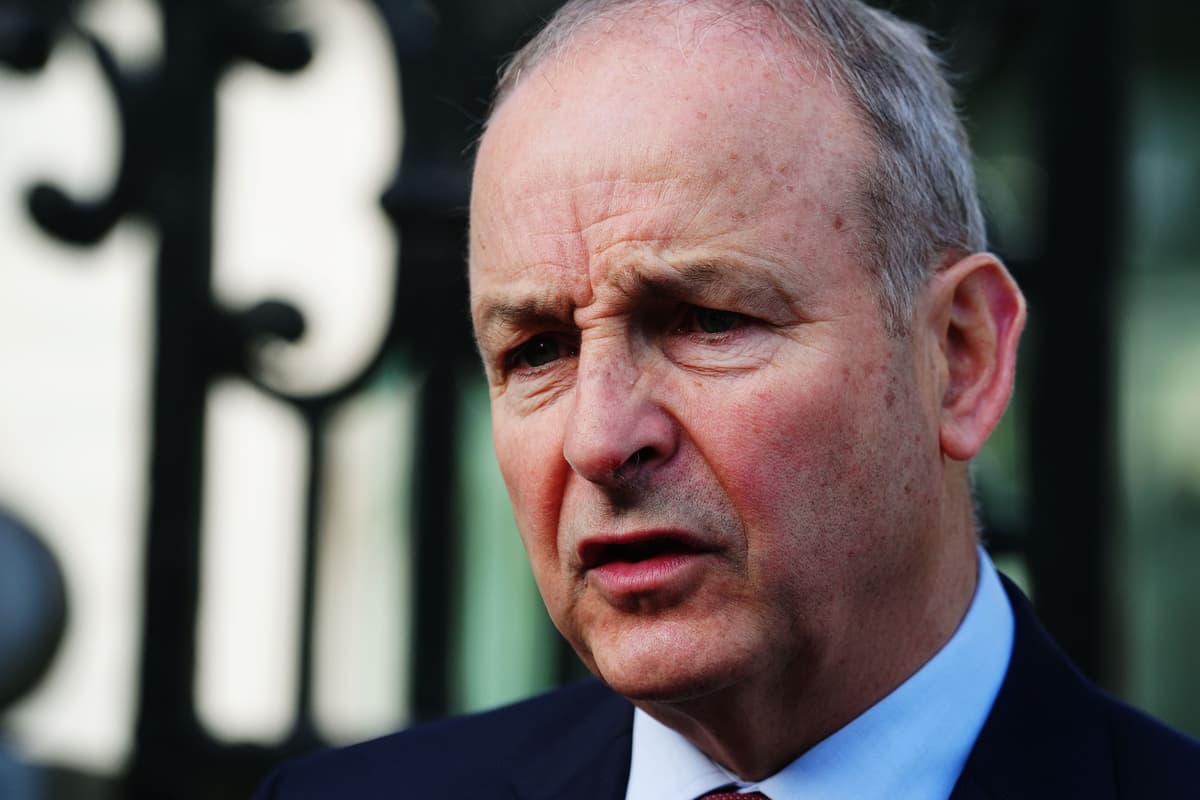
Taoiseach Micheál Martin is calling for a new, evidence-based initiative to define the practicalities of Irish unity, arguing that the current debate relies too heavily on general assertions rather than “hard evidence.” Speaking at a book launch, Martin stated that a rigorous, independent base of knowledge is required to address the legal, social, economic, and political implications of different constitutional frameworks.
This push for a data-driven approach comes at a moment of high political friction. While Sinn Féin leader Mary Lou McDonald has characterized the current government as a barrier to unification and urged immediate preparation for constitutional change, Martin warns that treating unity as “inevitable” risks repeating historical mistakes where nationalists simply agree with one another that “everything will be fine” without doing the difficult work of persuasion.
The cost of constitutional assumptions
For the average citizen in the North or South, the “inevitability” rhetoric often skips over the granular reality of how a merged state actually functions. Martin contends that one-sided campaigns avoiding “genuinely tough questions”—specifically the financial costs of reunification—actually undermine the case for unity. He argues that after a century of divergence, there are enormous gaps in public knowledge regarding the challenges of a new constitutional future.
“A new initiative is required to do the significant work required… This must ensure that the public has access to independent, trustworthy and comprehensive information about the practical implications, legal, social, economic, cultural and political of different possible constitutional frameworks.”
Three pillars for a new approach
Rather than letting the daily news cycle dictate policy, Martin has outlined three core elements for proceeding. First, he insists on separating the high-level debate over unity from the immediate North-South actions that must be taken regardless of any future vote. Second, he is calling for reforms of the Northern Ireland Assembly and Executive.
The third and most critical element is the creation of a “dispassionate base of knowledge.” This is designed to provide a good-faith entry point for those outside the nationalist tradition to participate in the conversation. By moving from assertions to evidence, the Taoiseach hopes to create a cross-community framework that doesn’t alienate unionists.
This cautious methodology contrasts sharply with the timeline proposed by other political actors. Sinn Féin has already tabled a Bill in Dáil Éireann calling for a Citizens’ Assembly and government planning for reunification, following an All Party Joint Oireachtas Report in July 2024. While that Bill did not pass, it is expected to return to the Dáil before the end of 2026.
Competing visions of the timeline
The Irish government is currently split between two different modes of preparation. While Martin emphasizes the need to “define what needs to be known,” his coalition partner, Fine Gael, is moving toward a more concrete presentation. Tánaiste and Fine Gael leader Simon Harris has announced that Fine Gael will launch its own “blueprint” for Irish unity in November.
The international lens adds further volatility to the timeline. Earlier this year, US President Donald Trump suggested during a visit to Dublin that Irish reunification was inevitable and "may as well happen now." However, political views within the UK are changing. The rise of nationalist-led administrations in Scotland and Wales, combined with a revolving door of British Prime Ministers—most recently Andy Burnham—has created a paradigm shift that may force London to reconsider its approach to partition.
The tension here is between the “catalyst” model and the “evidence” model. The Hume/Adams initiative of the late 1980s acted as a catalyst, building a democratic consensus that eventually led to the 1994 IRA ceasefire and the Good Friday Agreement. Martin’s proposed initiative is less about creating a political spark and more about building a technical foundation.
The risk of the “inevitability” trap
The strongest counter-argument to Martin’s cautious approach is that waiting for “perfect” data can be a form of political procrastination. For proponents of rapid unification, the shifting demographics and the success of cross-community events—such as the Fleadh Cheoil na hÉireann 2026 in Belfast—suggest that the social will for unity is already outpacing the government’s appetite for planning.
Yet, the economic reality remains a primary point of contention. A transition to a united Ireland would require an overhaul of systems. Without a transparent accounting of these costs, any proposal risks being dismissed as a nationalist fantasy rather than a viable state project.
It is unclear whether this new initiative can actually bridge the gap between the "inevitability" of the activists and the "complexity" of the administrators. For now, the debate remains stuck between those who see a blueprint as a roadmap and those who see it as a premature assumption.

Early Black Friday Unlocked Phone Deals Launch on Amazon
Unlocked smartphone discounts from Google, Samsung, and other manufacturers launched early for the 2026 holiday season.

Ashland County Mental Health & Recovery Board Celebrates Community Care Partners
More than 80 community leaders, providers, and volunteers gathered on October 21 for the Mental Health & Recovery...
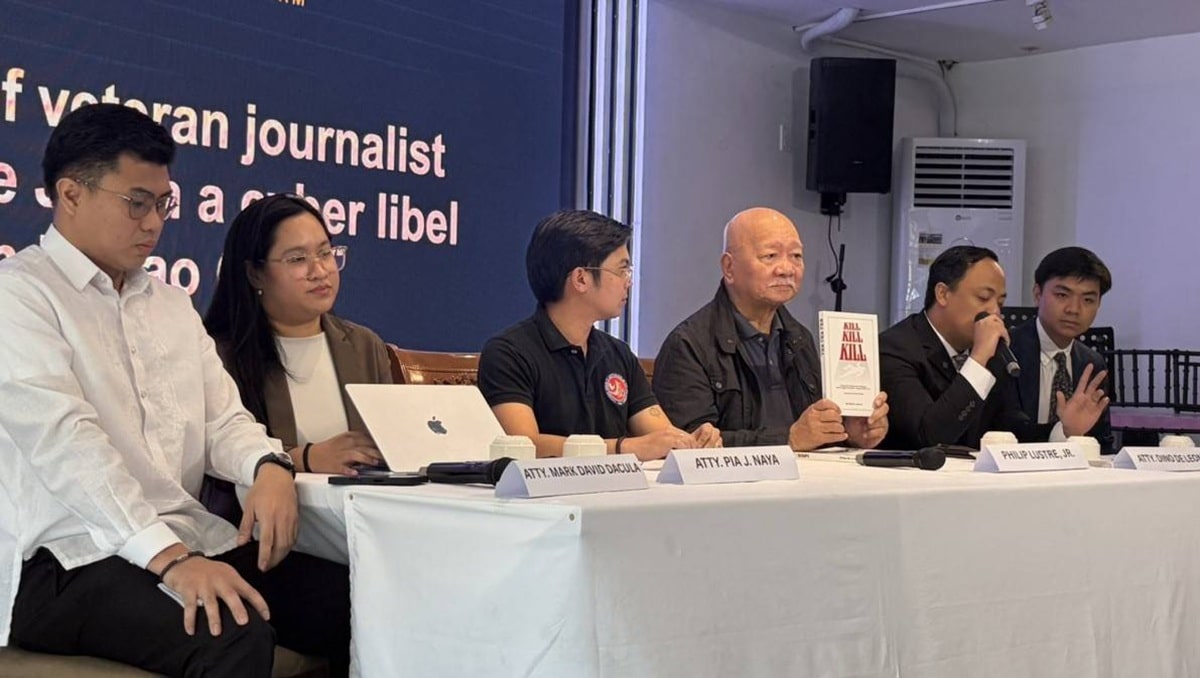
Journalist Philip Lustre Jr. Seeks Venue Change in Cyberlibel Case Filed by VP Sara Duterte’s Husband
Philip Lustre Jr., a 72-year-old veteran journalist, is fighting to move his cyberlibel trial from Davao City to...

Mass General Brigham to close PANS/PANDAS program and lose doctor
"This is a joke list," said Kim Panton, a PANS/PANDAS advocate and mother of two adult sons who...