
On a crisp Friday in Augusta, Michigan, the silence at Fort Custer National Cemetery was broken only by the sharp, rhythmic commands of an honor guard. On November 6, 2026, 14 U.S. military veterans were laid to rest with full military honors, a final act of service for those who once served the nation. Among those being honored were five veterans from the Greater Lansing area, marking a somber but deeply respectful conclusion to their journeys.
The Final Salute in Augusta
The ceremony was marked by the presence of the Lansing Police Department Honor Guard, who stood at attention as the remains of the veterans were committed to their final resting place. As the Battle Creek Enquirer reported, the afternoon proceedings included the traditional folding of the American flag—a precise, practiced movement that signals the end of a watch—and the somber, haunting notes of Taps, played by Fort Custer Honor Guard member Harold Johnson.
**** Call For Attendance (Augusta, MI) **** From Fort Custer National Cemetery On Thursday, Oct 8, 10:30am, Fort Custer National Cemetery invites you to join in honoring one unclaimed hero for committal services. He was an unclaimed Veteran with no known family, and we invite… pic.twitter.com/XKjFrIftLr
For the families and community members in attendance, the day served as a reminder of the quiet, often invisible work of the military honors program. These ceremonies are not merely procedural; they are the government’s way of keeping a promise made to every service member, regardless of their rank or length of service. Deacon Jim Collom led the prayers, providing a moment of spiritual reflection for the 14 individuals whose lives were being commemorated.
The dignity afforded to these veterans is a cornerstone of the national cemetery system, ensuring that no service member is forgotten, regardless of their circumstances at the time of their passing.
Understanding the Mechanics of Honor
The logistics behind such a service are significant. When a veteran passes away, their family or representative coordinates with the cemetery to ensure the appropriate honors—which include the folding and presentation of the flag and the playing of Taps—are executed. In cases where families are not present or are unable to arrange for these services, local honor guards and veterans' organizations frequently step in to ensure the burial is conducted with the appropriate solemnity.
This process highlights the intersection of local community support and federal oversight. While the cemetery grounds are maintained by federal resources, the human element—the honor guards from local police departments and veteran groups—is what turns a burial into a tribute. It is a collaborative effort that bridges the gap between the military institution and the civilian society the veterans defended.
The Human Stakes of Service
Why does this matter? For the families of these 14 veterans, this ceremony represents the official recognition of a life spent in service to the United States. In an era where the divide between the military and civilian life can feel profound, these moments act as a necessary reminder of the shared history and the collective responsibility to honor those who have served. The commitment of the Lansing Police Department Honor Guard to travel to Augusta underscores the regional importance of these burials, ensuring that even those from outside the immediate Battle Creek area receive the recognition they have earned.
Critics of the current system sometimes point to the backlog of requests for military honors or the strain on local honor guard volunteers, who often balance these solemn duties with their professional responsibilities. Yet, the scene at Fort Custer on Friday proved that the commitment to these men and women remains steadfast. There is no shortcut for the time required to properly fold a flag or for the silence required during Taps; these are the essential, unhurried elements of a military funeral.
As the sun set over the grounds in Augusta, the 14 flags were presented, and the attendees departed, leaving behind a quiet dignity that is the hallmark of Fort Custer. Each of these veterans, from Lansing and beyond, is now part of the history preserved within these grounds, a permanent testament to the service of those who came before.
Related reading
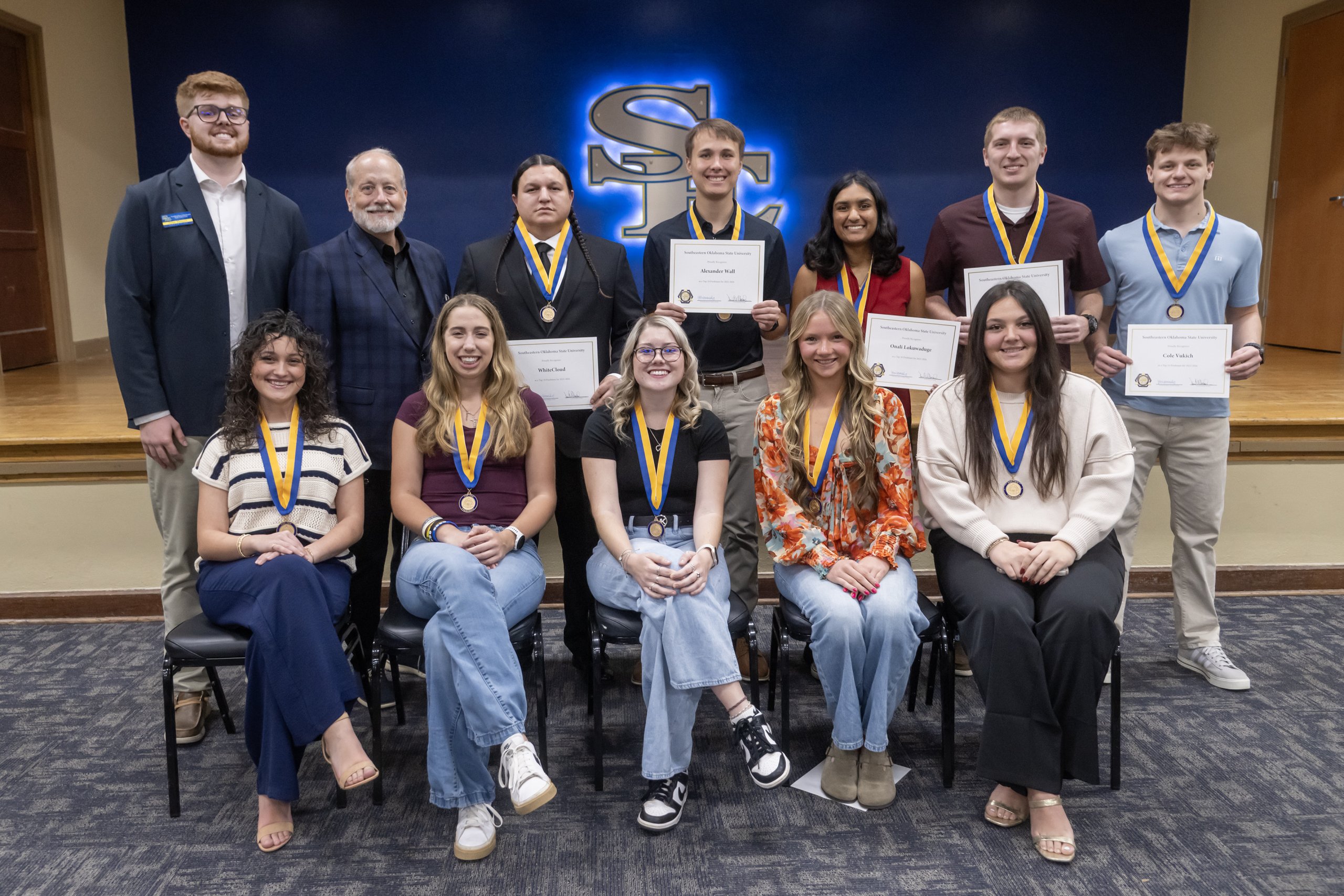
Southeastern Oklahoma State Honors Top Ten Freshmen Students
Southeastern Oklahoma State University honors the 2025-26 Top Ten Freshmen Southeastern Oklahoma State University held a ceremony and...

Carolyn Jane Norman, 80, Beloved Mother and Community Supporter
Carolyn Jane Norman passes away at age 80 Carolyn Jane Norman, a long-time resident of East Grand Forks,...

NYCFC and D.C. United Face Season Finale Amid Injury Struggles
New York City FC and D.C. United are both mathematically eliminated from the MLS postseason, setting the stage...

Ohio University graduate Michael Whittemore releases Ecology book
Michael Whittemore bridges ecological science and professional practice Michael Whittemore is currently managing a multifaceted career that spans...