
The Three-Day Wait in Kansas
Three days after the polls closed on November 3, the landscape of Kansas politics remains in a state of suspended animation. While many contests were decided on election night, six specific races—ranging from the governor’s office to seats in the Kansas House of Representatives—are still too close to call. As of Friday evening, November 6, election officials are working through the final batch of advanced mail ballots, a process dictated by the state’s established three-day grace period for ballots postmarked by Election Day.
This is not a failure of the system; it is a feature of it. Under Kansas law, ballots postmarked by November 3 are eligible for inclusion in the final tally provided they reach county election offices by today. Because these margins are razor-thin, the arrival of these final envelopes could shift the outcome in several key districts, leaving candidates and voters in a tense waiting game that will only resolve as the canvassing process moves toward its December deadline.
The Races Under Audit
Kansas Secretary of State Scott Schwab announced on November 4 that six specific races have triggered mandatory close-race audits. This mechanism is automatically engaged when a race falls within 1% of the total votes cast as reported on election night. According to the Secretary of State’s office, this process requires county staff to conduct a hand count of ballots in an additional 10% of precincts to ensure the integrity of the tabulator machine results. Notably, K.A.R. 7-47-1 explicitly prohibits the use of ballot images during these audits, mandating a physical review of the paper trail.
The current standing of these contests, based on data from the Secretary of State’s website as of 5 p.m. on November 6, illustrates the intensity of the competition:
| Race | Leading Candidate | Trailing Candidate |
|---|---|---|
| Governor | Cindy Holscher (D): 550,834 | Ty Masterson (R): 543,247 |
| Secretary of State | Pat Proctor (R): 521,223 | Jennifer Day (D): 515,350 |
| Attorney General | Chris Mann (D): 552,328 | Kris Kobach (R): 538,959 |
| House District 27 | Sara Kiewiet (D): 6,881 | Sean E. Tarwater (R): 6,828 |
| House District 40 | David Buehler (R): 3,813 | Mika Stilwell (D): 3,742 |
| House District 117 | Brandon Holland (D): 6,610 | Adam Turk (R): 6,468 |
The Path to Certification
The audit process is a layered requirement. Beyond the close-race audits triggered by the 1% threshold, county election workers are also conducting standard post-election audits, a routine statutory requirement following every election. These procedures must be finalized before the county canvass, which is set to conclude by November 16. Only after these local boards complete their work will the State Board of Canvassers step in to certify the official results, a process that has a hard deadline of December 1.

For voters and local observers, the primary tension lies in the shift from election night projections to the reality of audited, verified counts. In districts like House District 27, where the margin between Sara Kiewiet and Sean E. Tarwater is less than 60 votes, every single provisional and mail-in ballot becomes a decisive factor. This underscores the necessity of the three-day window; it ensures that every legally cast vote, regardless of the speed of the postal service, is accounted for before a winner is declared.
While the focus remains on the math, the broader implications for the state’s legislative balance are significant. The split between Democratic gains and the passage of GOP-backed constitutional amendments suggests a nuanced electorate, one that is carefully parsing candidates from policy platforms. As the state moves toward December 1, the focus shifts from the excitement of the campaign trail to the quiet, administrative precision of the audit room.
More on Six Kansas
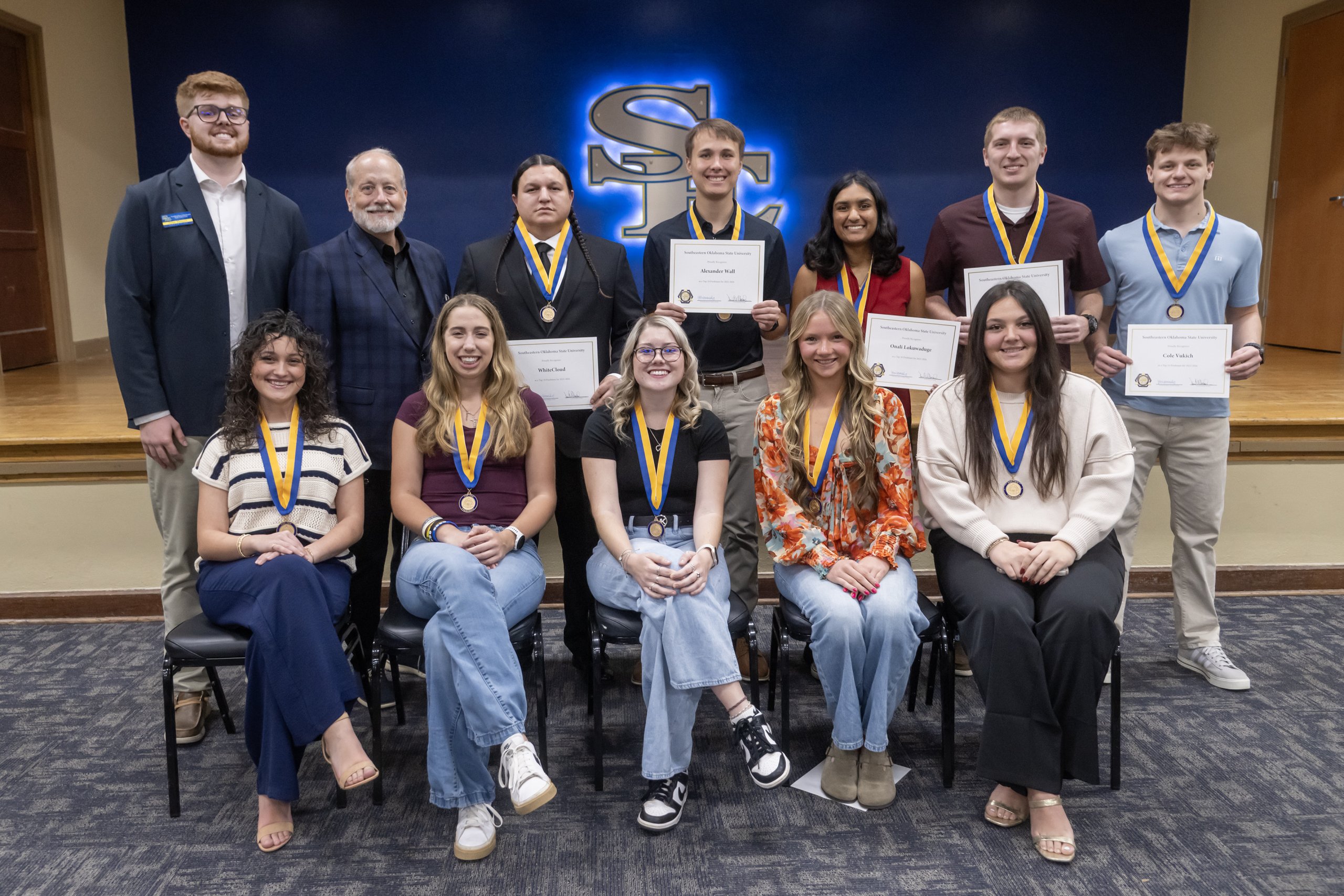
Southeastern Oklahoma State Honors Top Ten Freshmen Students
Southeastern Oklahoma State University honors the 2025-26 Top Ten Freshmen Southeastern Oklahoma State University held a ceremony and...
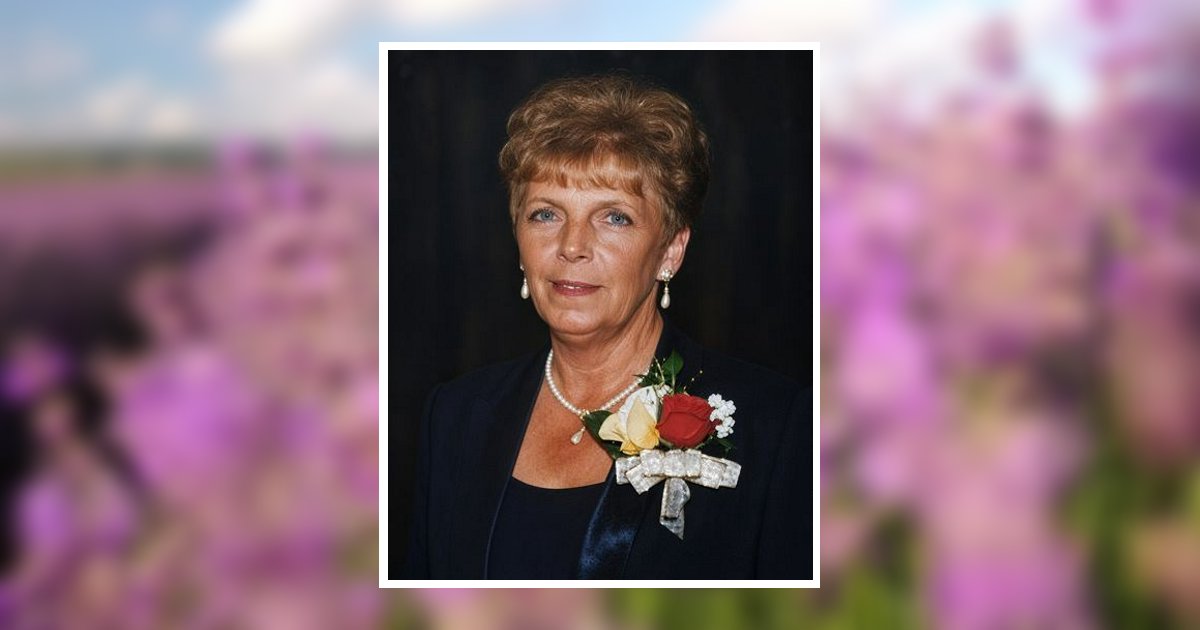
Carolyn Jane Norman, 80, Beloved Mother and Community Supporter
Carolyn Jane Norman passes away at age 80 Carolyn Jane Norman, a long-time resident of East Grand Forks,...

NYCFC and D.C. United Face Season Finale Amid Injury Struggles
New York City FC and D.C. United are both mathematically eliminated from the MLS postseason, setting the stage...
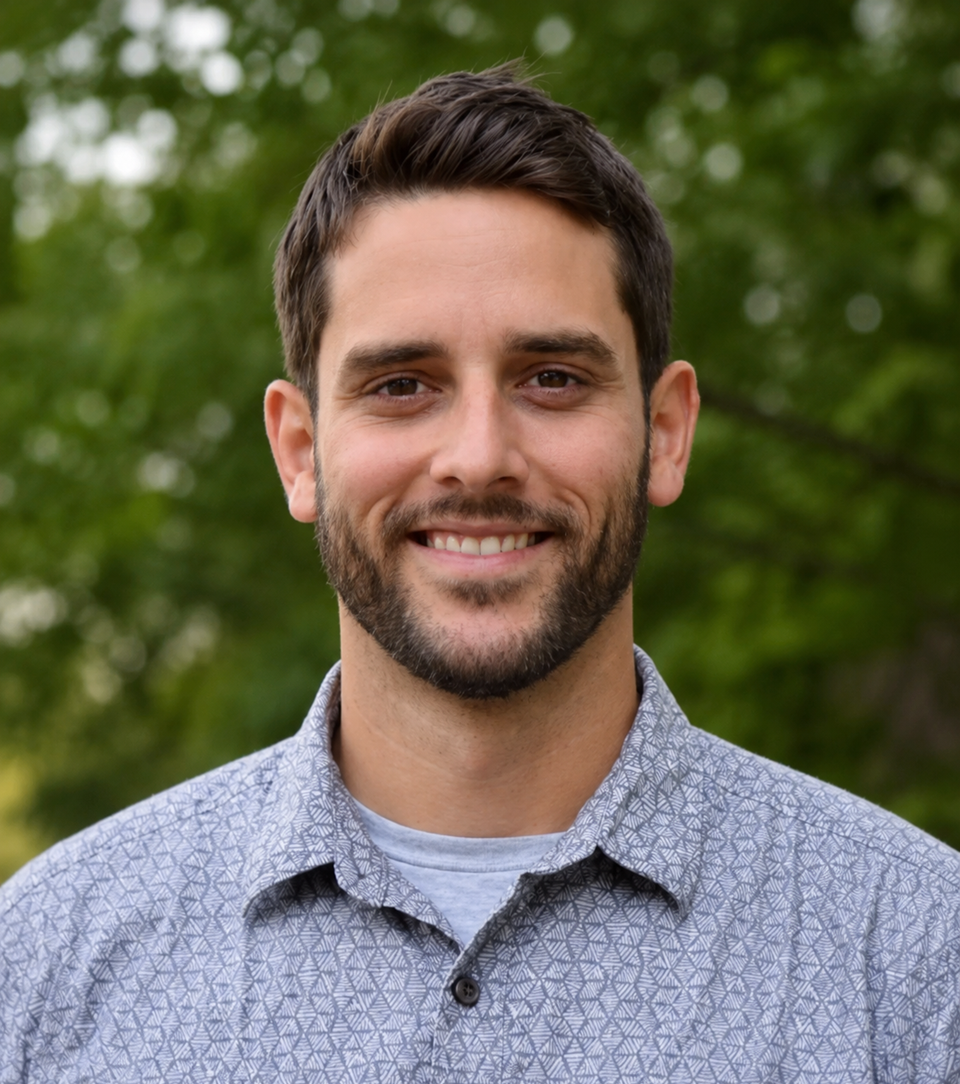
Ohio University graduate Michael Whittemore releases Ecology book
Michael Whittemore bridges ecological science and professional practice Michael Whittemore is currently managing a multifaceted career that spans...