
On November 10, four boys became the first residents of the Southeast Regional Care Center for Youth, a $65.6 million facility located on Milwaukee’s Northwest Side.
This transfer signals the start of a long-planned transition for the Wisconsin Department of Corrections, which aims to shift incarcerated youths from large, distant institutions to smaller, regional sites closer to their home communities.
For years, Milwaukee-area youths sentenced to Type 1 juvenile correctional facilities—the most secure tier in the state—have been sent to the Lincoln Hills School and Copper Lake School in Irma, a community more than 200 miles north of Milwaukee.
The opening of the new 32-bed Milwaukee facility is intended to shorten that distance, making it easier for families to participate in their children’s therapy and treatment planning, according to Wisconsin Watch.
Shifting from Distant Prisons to Local Care
The geographic divide has long been a point of contention for families and legal advocates.
“Family interaction, family contacts – that is such a critical component of being able to successfully go back in the community and engage in school and jobs” Lance Horozewski, assistant administrator of the Division of Juvenile Corrections said By keeping youth in Milwaukee, the department hopes to better connect them with community resources that will remain accessible after their release.
“This is the first facility designed specifically to keep youth closer to home and their families, and near the community resources that will help they thrive,” said Gov. Tony Evers in an October press conference.
The facility is designed for more than just proximity. It includes dedicated spaces for vocational training—including welding, woodworking, and food service—as well as recording equipment for creative projects. Staff members, including youth counselor supervisor Kashunda Brown, hope that by using personnel familiar with Milwaukee, they can create stronger, more relevant support networks for the residents.
The Debate Over Educational Oversight
While the state touts the new facility as a major reform, the transition has drawn skepticism from those who have monitored the state’s juvenile justice system for years. Rose Scott, co-founder and former president of Prison Action Milwaukee, has questioned whether the new site will truly improve outcomes or simply become “business as usual.”
A primary concern for advocates remains the management of the academic curriculum. Although the facility is new, the Department of Corrections remains responsible for the schooling, a model that has existed at Lincoln Hills and Copper Lake. Scott argues that the Department of Public Instruction should oversee education for incarcerated youth to ensure they receive an academic experience equal to their peers in public schools.
The Department of Corrections maintains that it is recognized by the Department of Public Instruction as an independent school district, meaning the oversight structure remains consistent with other public schools in the state.
A Step Toward Closing Lincoln Hills
The opening of the Milwaukee center is a key component of the state’s broader effort to shutter the Lincoln Hills and Copper Lake campus, which has been plagued by years of abuse allegations and federal oversight.
While a federal court ended the consent decree for those facilities in January after the state met its requirements, the new 32-bed Milwaukee center cannot accommodate all the youths currently held in the north.
State officials are currently pursuing a multi-pronged strategy to replace the aging institutions. Beyond the Milwaukee center, the state has begun construction on a new facility in Dane County and continues to advocate for a third regional location in northern Wisconsin. According to reporting by focalnews.org, the long-term plan under Act 185 is to convert the Lincoln Hills and Copper Lake campus for adult corrections use.
As the facility ramps up operations, officials expect to reach full capacity by early 2027. For now, advocates say they will be watching to see if the reality of the daily programming matches the state’s promise of rehabilitation.
“We want to see real investment in healing, not just a new building,” an advocate noted to focalnews.org, emphasizing that the success of this shift will depend on the culture inside the walls rather than the facility’s design alone.
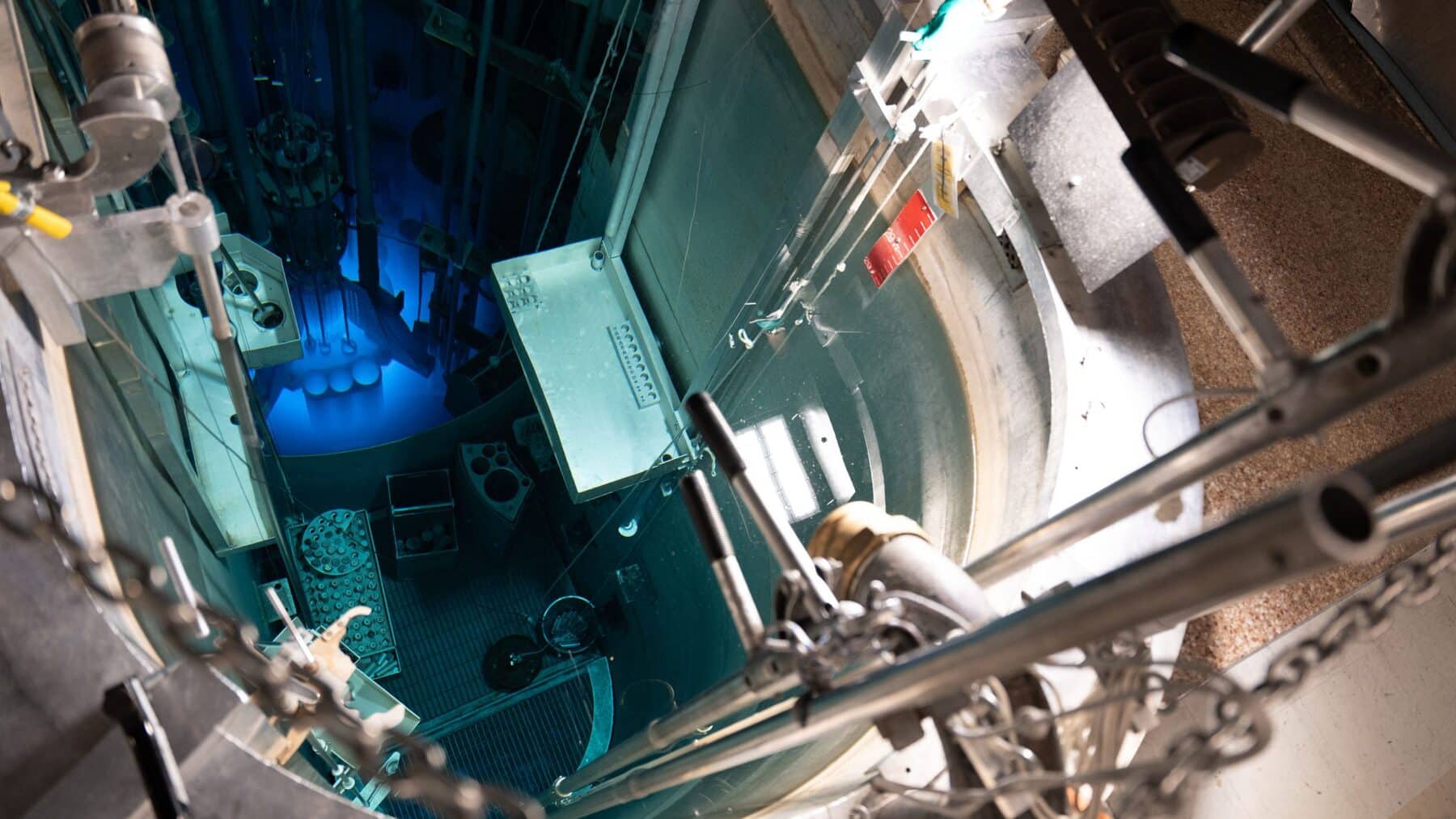
University Reactor Scram Triggered by Firemain Pipe Rupture Not Core Failure
Reactor pipe burst in Columbia, Missouri, early on Friday. A low power research unit at a university facility...

Woman Quits Boston Consulting Job for Farm Work in Hawaii, PEOPLE Reports
Sarah Bonello left her Boston environmental consulting job in November 2025. She spent years working for federal, state...

Hoosiers Respond to Weaponized Wording of Indiana Bail Amendment
Indiana voters approved a constitutional amendment on Nov. 3 that gives judges new power to deny bail for...
Montana State Hosts Montana Sat at 2 P.m. for Big Sky Title
No. 2 Montana State hosts No. 9 Montana on Saturday at 2 p.m. Eastern at Bobcat Stadium in...