
“One thing we worry about is, are we going to be overwhelmed with the growth? And they’ve stayed ahead of it here,” said Robert Morris, Montana Tech Lance Energy Chair and member of Montana’s Energy Task Force.
Morris visited Quincy, Wash., where the population has grown from about 5,000 to more than 8,000 over two decades alongside eight data center campuses, KECI reported. State Rep. Alex Ybarra, a lifelong Quincy resident, pointed to a new police station, City Hall and high school as public facilities built from the expanded tax base. The school district added a data center technician program that Superintendent Nik Bergman said helps students move directly into family-sustaining jobs. City data show the eight campuses account for roughly 4% to 8% of Quincy’s total water use. Newer cooling technology operates without drawing additional water but requires more electricity. Grant County PUD reports residential electricity rates have risen 55% over the past 20 years, from 4.12 cents per kilowatt-hour in 2006 to 6.4 cents in 2026.
The utility’s rate remains below listed averages for Washington, Montana and the nation, MATR noted. “If you do it wrong, like give away your water or whatever, ask for lower rates of electricity, then it doesn’t work,” Ybarra said. He stressed that host communities benefit from tax revenue only if they negotiate carefully on location and terms.
Morris said data center companies paid for their own substations as they arrived, working with the community and Grant County PUD. The utility is now planning major transmission upgrades to meet demand from additional development, along with another rate increase. “I think it’s important that the communities, the utility and the developers all work together,” Morris said.
Michigan Works! Southwest Names 2026 Workforce Development Champions
Michigan Works! Southwest honored four organizations as 2026 Workforce Development Champions on Nov. 19 at FireKeepers Casino Hotel...
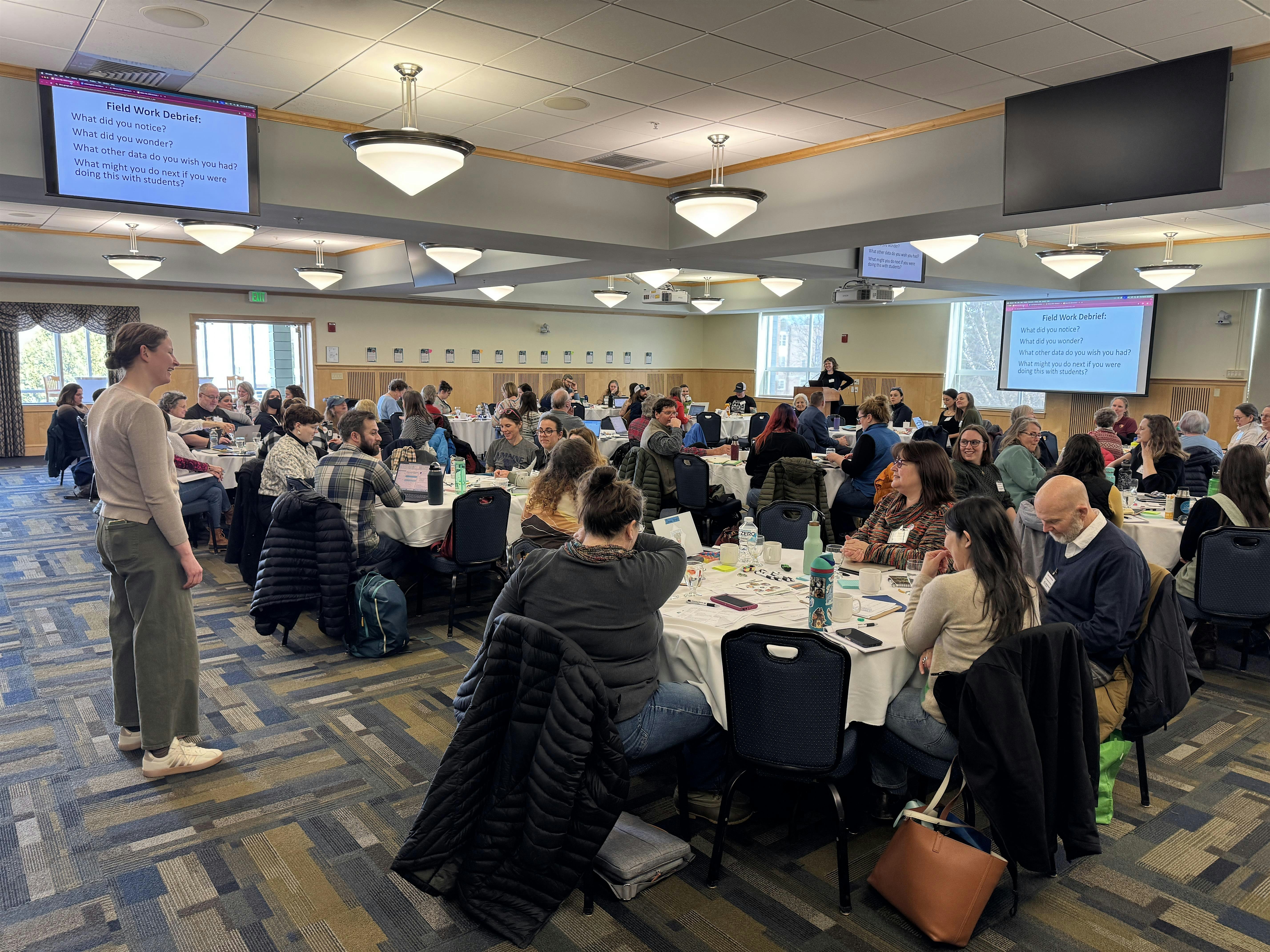
Learning Ecosystems Northeast Hosts STEM Educator Gathering at University of Maine
Learning Ecosystems Northeast will convene a two-day gathering of STEM educators at the University of Maine's Buchanan Alumni...
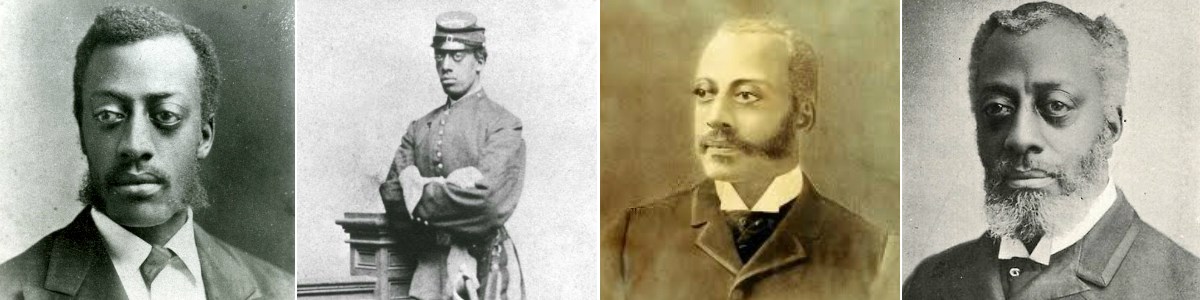
Douglass, Foster, Remond, and Burleigh Launch 1845 New Hampshire Lecture Campaign
In February 1845, four abolitionists — Frederick Douglass, Stephen Symonds Foster, Charles Lenox Remond, and Cyrus M. Burleigh...
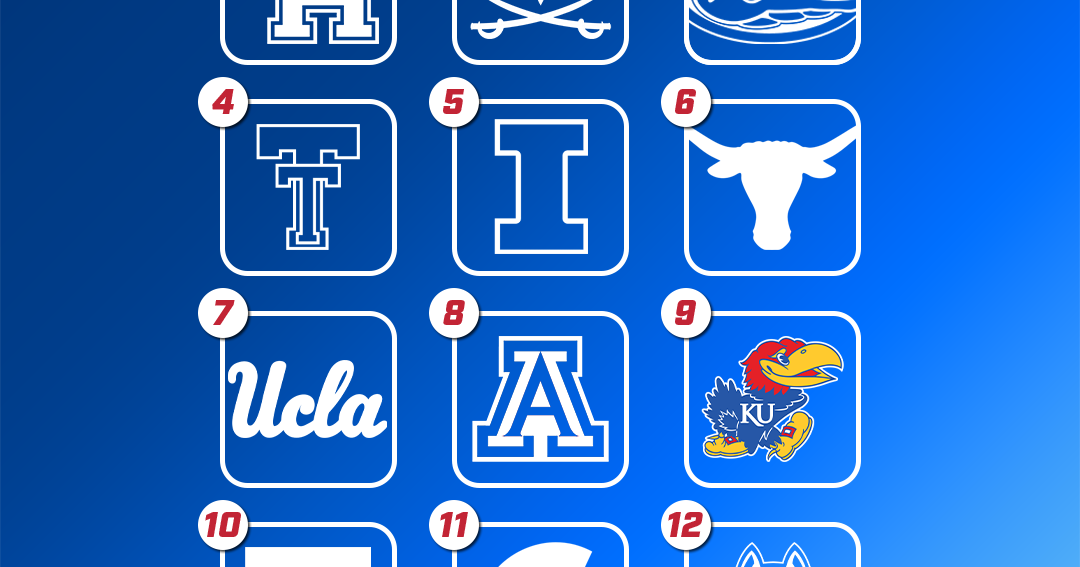
Houston Vaults to No. 1 in University Daily Kansan Week 3 Poll After Sweeping Players Era 8 Tournament
Houston vaulted to No. 1 in the University Daily Kansan Week 3 college basketball poll after sweeping the...