Residents Battle Persistent Odors from Food Waste Facility
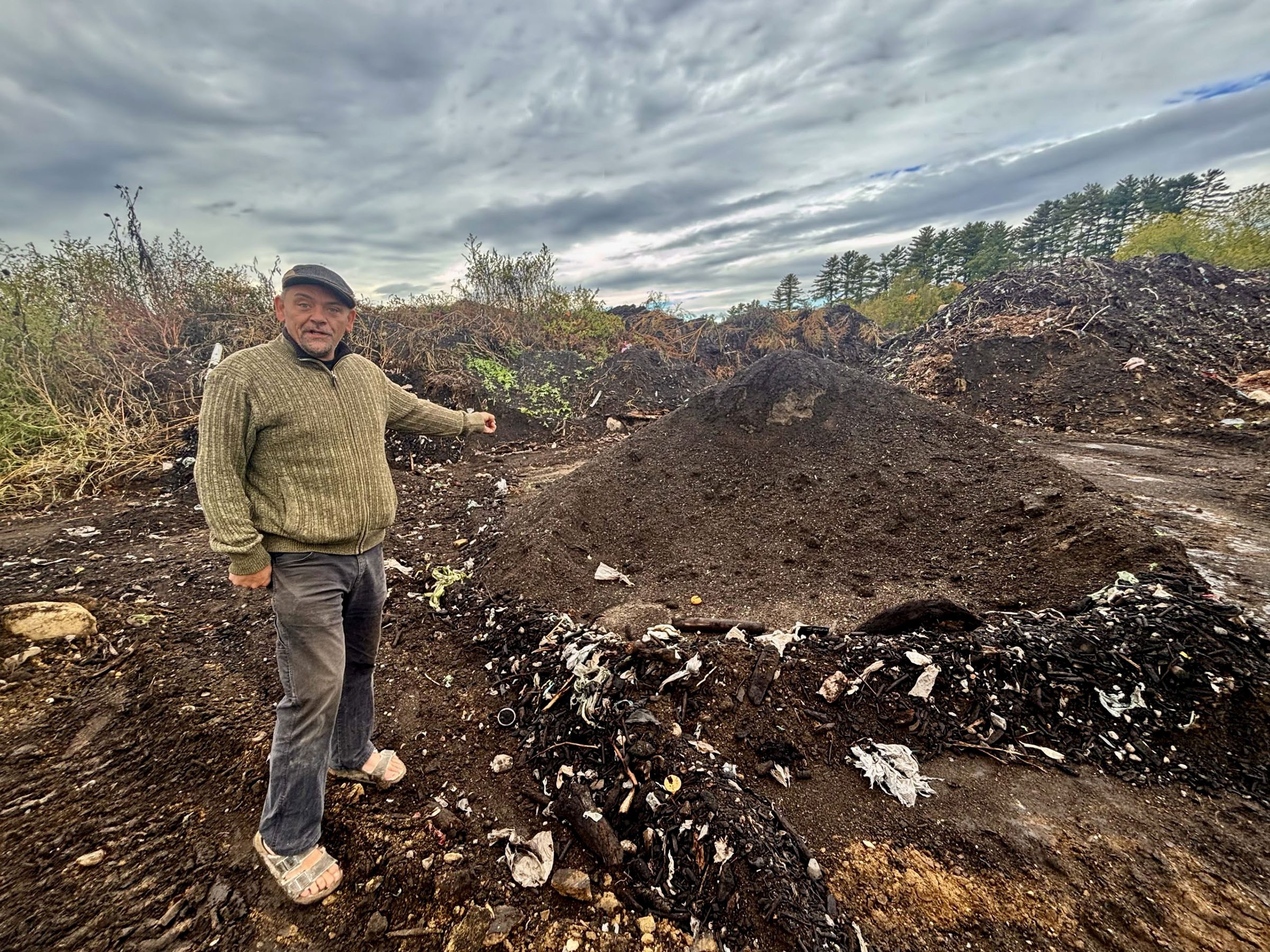
Concord residents living near Blevins Drive are reporting that a persistent, overpowering odor emanating from a nearby food waste composting operation has significantly disrupted their quality of life. The facility, located at Lewis Farm on Silk Farm Road, began accepting food waste for composting in February. Since the onset of summer temperatures exceeding 80°F, neighbors say the smell of decomposing organic material has intensified to a level that prevents them from using their outdoor spaces, attending cookouts, or even keeping their windows open.
Joe Rider, a resident of Blevins Drive, described the situation during a Solid Waste Advisory Committee meeting, stating that the odor feels like an invasion of property. According to residents, the scent is thick and rotten, making it impossible to ignore. Another local resident, Jodie McLaughlin, noted that the intensity of the smell remained consistent regardless of weather conditions, including periods of rain.

State Mandates and Economic Pressures
The composting facility operates in response to a New Hampshire food waste ban that took effect on Feb. 1. This mandate requires entities producing at least one ton of food waste per week—including schools, hospitals, and large businesses—to divert that waste to a composting or processing facility within 20 miles, rather than sending it to a landfill or incinerator.
James Meinecke, the owner of Lewis Farm, secured a state-issued solid waste permit to process this material. He receives 27 tons of food scraps twice a week from Massachusetts, earning $800 for each delivery. Meinecke describes this income as vital to the operation of his 118-acre farm, where he also raises pigs and chickens. He stated that the composting revenue is the only consistent weekly income his farm generates, adding, “I can’t stop composting.”
The Conflict Between Farm Life and Residential Expectations
Meinecke maintains that the odors are a natural byproduct of farming and that his neighbors’ expectations are unrealistic. “They don’t want to live next to a farm. They want to live next to a postcard,” Meinecke said. He emphasized that he has lived on the property for eight years and that the farm has been in existence for over 200 years. Meinecke expressed frustration over the complaints, noting that he has previously faced hurdles with the city regarding permits for agritourism ventures. He stated that the odor is not intentional and suggested he would prefer that neighbors contact him directly rather than raising the issue in public forums.
Ongoing Efforts to Resolve the Nuisance
Residents have been actively seeking a resolution to the odor issue for months, engaging with both state and city authorities. Since August, they have maintained a detailed log of odor incidents, which now includes roughly 60 entries. These reports describe a range of conditions, from faint smells to odors so strong they have caused nausea among nearby residents.
In late August, the New Hampshire Department of Environmental Services (NHDES) intervened by sending a letter to Meinecke following four formal complaints. The agency provided guidance on mitigating foul odors, which includes turning compost piles regularly and adding carbon-rich materials such as sawdust, cardboard, paper, oak leaves, corn stalks, or hay to the mixture.
Summary of Composting Odor Mitigation Guidance
| Mitigation Method | Purpose |
| :— | :— |
| Pile Maintenance | Turning compost piles regularly to aerate and manage decomposition. |
| Material Addition | Adding sawdust, cardboard, paper, oak leaves, corn stalks, or hay. |
| Goal | To reduce foul odors as recommended by NHDES. |
Find more reporting in our News section.

Zimbabwe Govt Calls for United Front to End Violence Against Children
The Zimbabwean government urged a coordinated national strategy to protect minors from abuse and digital threats ahead of...

Police Find Canada-Returned Couple Dead in Karachi Home
Police found a Canada-returned elderly couple dead inside their North Karachi home.

Nyesom Wike Unveils 2027 Cross-Party Campaign Strategy in Abuja
Federal Capital Territory Minister Nyesom Wike unveiled a cross-party mobilization strategy, declaring himself field commander for President Bola...

Traffic Diversions Set as Zanu-PF Annual Conference Begins in Chinhoyi
Thousands of delegates converge on Chinhoyi for the ruling party’s annual conference, triggering strict traffic diversions on major...