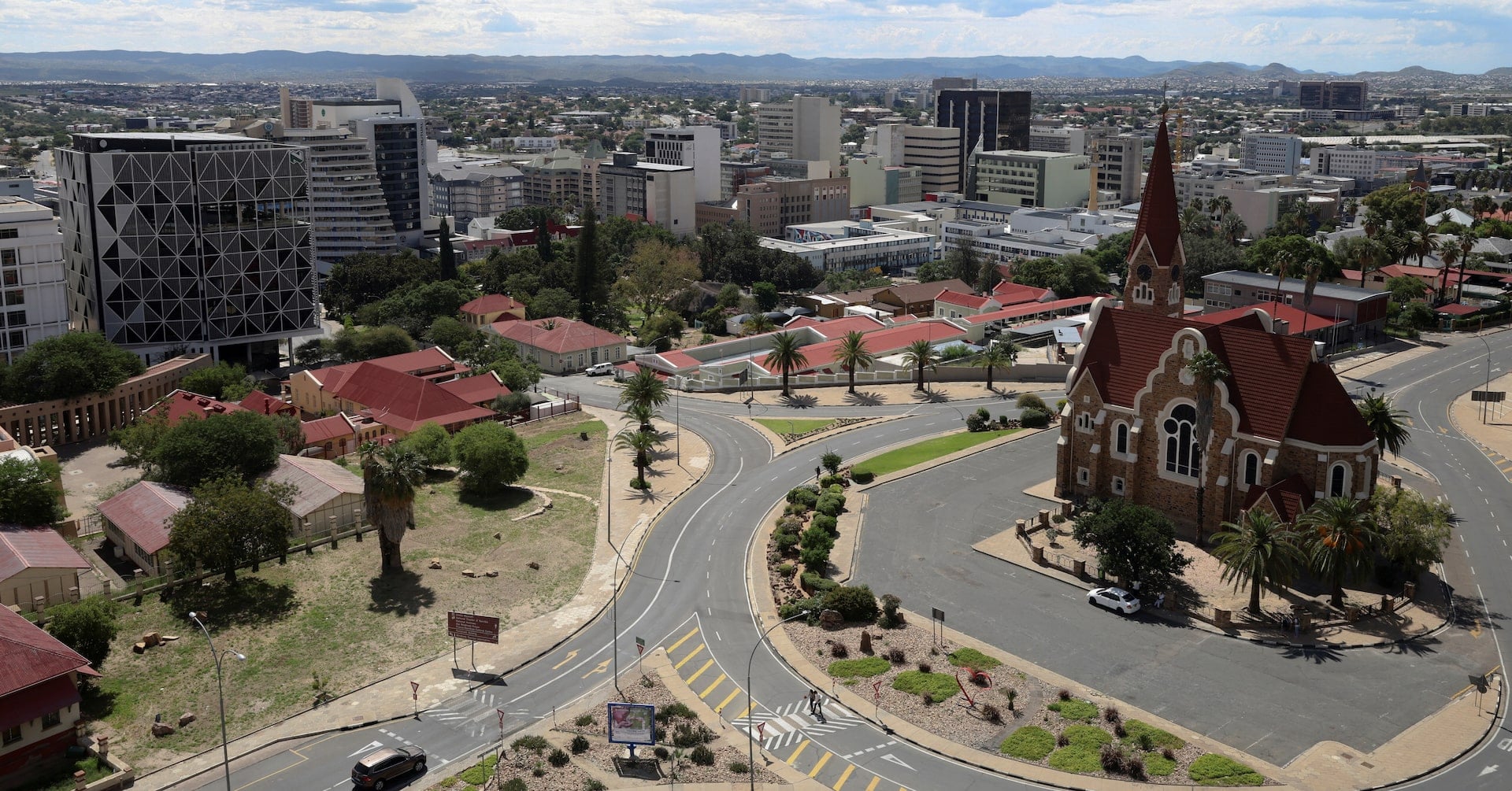
Namibia has slashed its 2026 economic growth forecast to 2.3% following a weaker-than-first-half performance. Finance Minister Ericah Shafudah announced the revised fiscal projections in Parliament on Thursday, citing sharp drops in diamond mining revenue, high fuel costs, and ongoing challenges from foot-and-mouth disease.
The southern African nation originally projected 3.1% growth for the year in its February budget. Delivering the 2026/2027 mid-year budget review, Shafudah told lawmakers that economic activity cooled during the initial six months, forcing a downward revision across the macroeconomic outlook. Growth is now expected to climb gradually to 2.6% in 2027, 3.0% in 2028, and 3.3% in 2029, supported by mining projects, firm uranium and gold prices, and stronger consumer spending as inflation and interest rates ease.
Mining Slump and Global Headwinds Drive the Forecast Cut
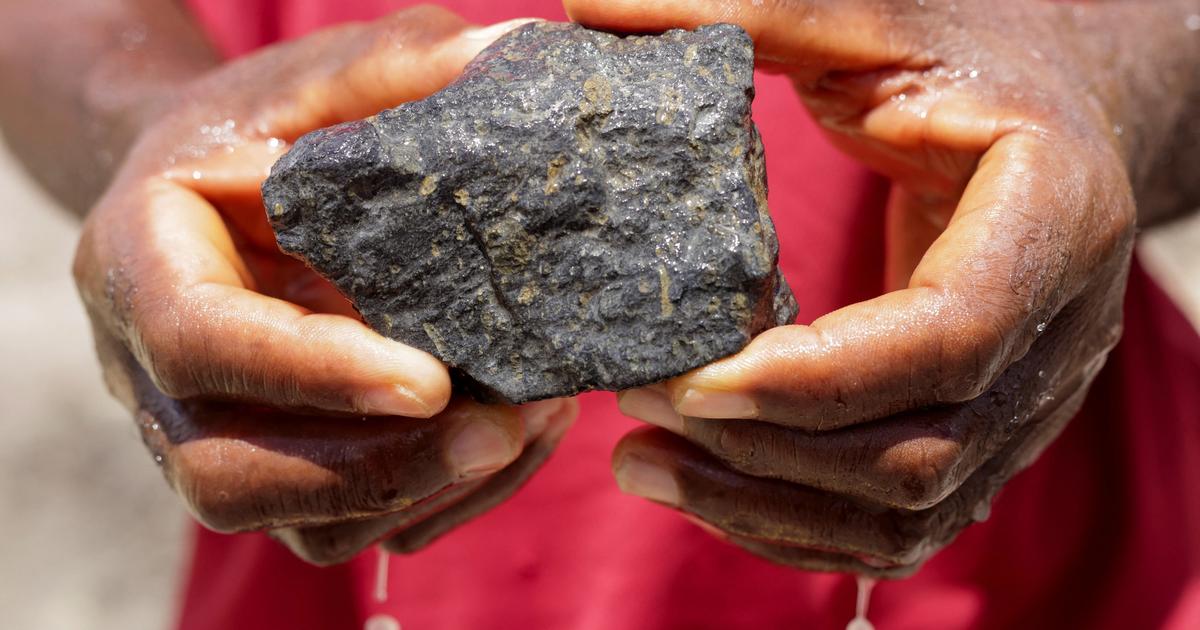
The economic slowdown stems primarily from a sharp deterioration in mining receipts. Diamond taxes and royalties are projected to plummet to 414 million Namibian dollars in the 2026/2027 fiscal year, down from 5.8 billion Namibian dollars in 2023/2024. The drop reflects softer international diamond demand, exacerbated by the rising market share of lab-grown gems.
Revenue for the current financial year is now pegged at 88.1 billion Namibian dollars, constrained by lower mining receipts, reduced fuel levy collections, and softer administrative fees. Shafudah noted that mining revenue remained the main source of weakness, underlining the need to diversify the economy through agriculture, downstream value addition, services, and renewable energy. Alongside falling commodity income, the government faces significant regional and geopolitical pressures.
Key risks remain muted global demand and commodity prices, especially for diamonds, high fuel prices, the anticipated El Nino and the outbreak of foot-and-mouth disease.
Finance Minister Ericah Shafudah
Shafudah also noted that fallout from international conflicts, including the war against Iran that began on 28 February, disrupted global supply chains and economic projections soon after the main budget was approved.

Public Debt Projections and Government Spending
Public debt is expected to reach 201.7 billion Namibian dollars, representing 68.7% of gross domestic product, an increase from the 65.2% ratio projected in February. Meanwhile, the budget deficit remains capped at 5.5% of GDP. Interest payments alone are forecast to consume 15.4 billion Namibian dollars—equivalent to 17.5% of total revenue.
Government expenditure records show an execution rate of 53.5% for the first half of the year. As of September, the administration had spent 47 billion Namibian dollars out of the 87 billion Namibian dollars appropriated for the period.
To support affected rural sectors, the administration plans to allocate 179 million Namibian dollars specifically to contain and manage the foot-and-mouth disease outbreak affecting livestock production.
Political Opposition Pushes Back Over Cost of Living
The mid-year review drew swift condemnation from opposition leaders in Parliament. Popular Democratic Movement (PDM) leader McHenry Venaani rejected the fiscal plan outright during the parliamentary session, accusing the administration of failing to address the cost of living, housing shortages, agricultural challenges, and sluggish economic growth.
When injustice becomes law, resistance becomes a duty.
McHenry Venaani, Popular Democratic Movement leader
Venaani questioned how the budget addresses basic household needs, pointing out that ordinary Namibians continue to struggle to afford food, fuel, and other essentials, warning that growth figures mean little without improved living conditions. He also criticized the government’s borrowing trajectory, raising concerns about the debt-to-GDP ratio and questioning whether borrowed funds were being invested in productive sectors capable of generating economic growth.
During pre-review consultations, research associate Martha Nangolo from the Institute for Public Policy Research presented findings showing that Namibia scored 53 out of 100 on the 2025 Open Budget Survey, slipping by one point from 2023’s score of 54. The think tank explained that this performance remains below the threshold of 61 considered sufficient for meaningful public understanding and debate, although the country performs better than the Sub-Saharan average of 38.
>
Worth a look
Gunman kills one, injures four near Paris in suspected terror attack
French prosecutors opened a terrorism investigation after a gunman driving a car opened fire in the Paris suburb...
Jordon Steele-John’s position remains in limbo as Greens prepare for moment in spotlight
"It was a bad call from David. We've all made those in politics.
First Lady, Oluremi Tinubu, receives Chinese Ambassador, Yu Dunhai, at State House, Abuja
Nigeria and China marked 55 years of diplomatic ties as First Lady Oluremi Tinubu met Ambassador Yu Dunhai...
Mantashe Refuses to Apologise for Sexist Remarks
African National Congress national chairperson Gwede Mantashe faces an escalating internal dispute after refusing to issue an unconditional...