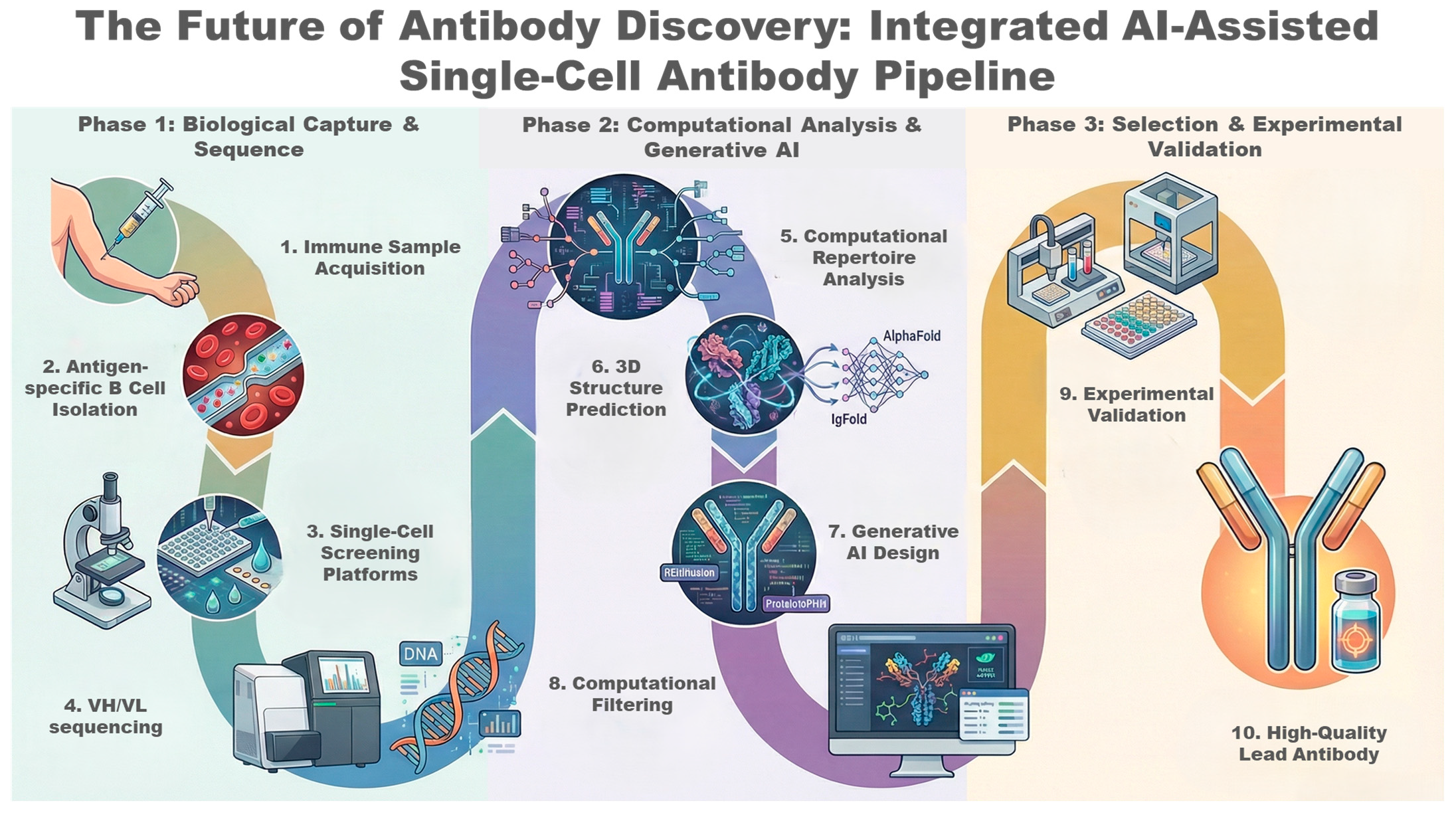
Tufts University researchers have introduced NanoMAP, a custom computational tool that uses alpaca antibodies to help scientists identify strong binding agents for pathogen targets. Published in Communications Biology, the project pairs computer science with immunology to modernize how laboratories discover nanobodies for potential treatments and diagnostics.
After earning bachelor and Ph.D. degrees in bioengineering with a focus on molecular biology, Will White expected his postdoctoral research at Tufts University to stick to familiar territory like DNA and proteins. Instead, his work in the Department of Computer Science branched out to include furry mammals known for producing miniature antibodies called nanobodies, according to Tufts reporting.
How NanoMAP Modernizes Nanobody Discovery
The project stems from a research initiative started in 2022 by Charles Shoemaker, a professor in the Department of Infectious Disease and Global Health at the Cummings School of Veterinary Medicine at Tufts. Shoemaker has spent decades working with antibodies, which are proteins produced to fight off viruses and disease, and specifically with nanobodies—miniature versions uniquely produced by sharks and members of the camelid family, including alpacas.
Nanobodies measure ten times smaller than standard antibodies, allowing them to slip easily into tight spaces and reach invaders. They also offer structural advantages: standard antibodies consist of four protein chains requiring difficult matching, whereas nanobodies are made only of heavy chain proteins, eliminating the need for pairing.
Traditionally, researchers used random sampling to find promising nanobodies, testing lab properties in a time-consuming cycle that often missed stronger candidates and required frequent repetition. To modernize this workflow, Shoemaker’s team partnered with Lenore Cowen, a professor in the Department of Computer Science at the School of Engineering, and research assistant Edward Moseley to build the Nanobody Meta-clustering Analysis Platform, or NanoMAP.
From Alpaca Immunity to Computer Analysis
The discovery pipeline begins with alpacas rented from a local farm. Following National Institute of Health guidelines, the animals receive small injections of protein antigens from pathogens, including COVID-19, botulinum neurotoxin, or a parasitic blood fluke. This exposure prompts the alpaca immune system to generate targeted nanobodies.
Researchers then collect blood samples, isolate the B-cells that produce nanobodies, extract the corresponding DNA, and reformat it to test binding ability against the original target and all known variants. After non-binders are cleared away, NanoMAP processes the sequences, sorting them into clonal families based on amino acid similarity. This clustering helps scientists select top candidates for diagnostics or treatments.
This allows us to capture nanobodies with the same or similar sequence that should have very similar properties in terms of how well they’re going to do as a drug or as a diagnostic.
Will White, postdoctoral scholar in the Department of Computer Science at Tufts
If we group nanobodies with similar sequence, we can aggregate the information and get a more accurate picture of the behavior of that group,
White added.
Interdisciplinary Collaboration at Tufts
White notes that the size of the dataset handled at Tufts sets their work apart from other groups attempting similar research, particularly regarding the diversity of target proteins like botulinum toxin, parasitic proteins, and the COVID-19 spike.
The collaboration brought researchers together side-by-side to ensure both fields understood each other’s technical language and goals. The work culminated with a paper published this month in the journal Communications Biology.

Sleeve gastrectomy improves cardiac and kidney MRI markers in youth-onset T2D
Vertical sleeve gastrectomy significantly improves cardiac and kidney MRI markers in youth-onset type 2 diabetes.
Treatment Action Group Launches Architects of Trust Program
As late-stage clinical trials advance toward potential approvals by 2029, the Treatment Action Group and Wellcome have launched...
Nearly 17 percent of eight-year-old autistic children in the United States meet the refined criteria for profound autism
Nearly 17 percent of eight-year-old autistic children in the United States meet the criteria for profound autism under...
Researchers launch Ebola vaccine trial in Uganda
Researchers in Uganda launched a Phase I clinical trial of the ChAdOx1 BDBV vaccine candidate in Masaka City...