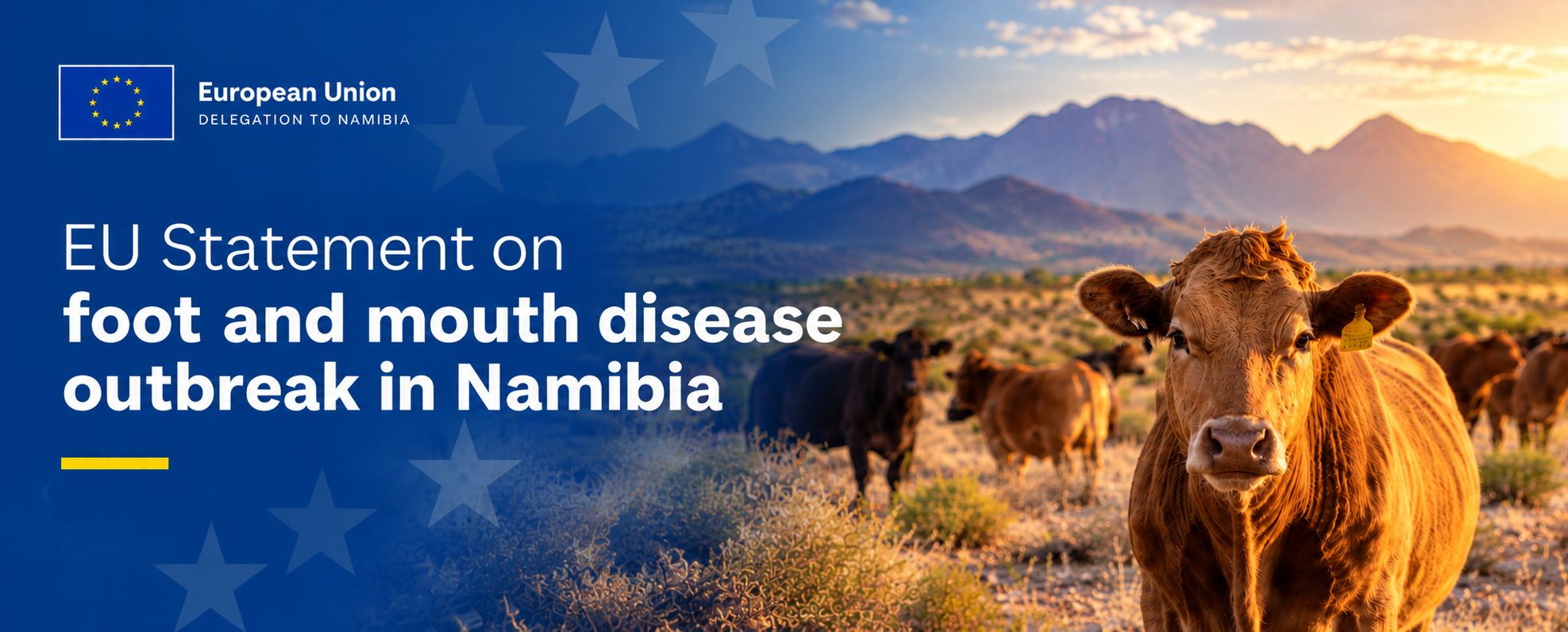
Namibia is bypassing culling for cattle infected with foot-and-mouth disease, using instead a 100,000-dose vaccination campaign after a viral outbreak was confirmed on a commercial farm in the Karasburg State Veterinary District on September 23, 2026, prompting export suspensions and widespread economic fallout.
Government Orders 100,000 Vaccine Doses After Culling Window Closes
The government will not destroy cattle infected with foot-and-mouth disease (FMD), with Agriculture Minister Inge Zaamwani confirming that vaccination is now the only viable path forward because the statutory window for culling has expired.
Zaamwani told the National Assembly that Cabinet weighed both options following an emergency meeting to address the outbreak. The chief veterinary officer advised ministers that culling proves most effective when executed within 24 to 48 hours of detecting the virus. Authorities found themselves seven days past that threshold.
The government secured 100,000 vaccine doses transported south from the Zambezi Region. Officials are currently hunting for suitable cold storage facilities near the affected zone to house the inventory before launching the inoculation push, according to Informanté.
Meanwhile, investigations continue along the Orange River, where low water levels expose cattle to high-risk grazing conditions on local islands.
European Union Halts Fresh Meat Imports While Traceability Systems Win Praise
The European Union accounts for more than 80 percent of Namibia’s beef exports, absorbing roughly 10 million kilogrammes annually, according to EU Ambassador to Namibia Ana Beatriz Martins.
The European Union published a temporary ban on imports of fresh beef, sheep, goats, and select processed meat products from Namibia’s previously disease-free zone, establishing September 23 as the official cutoff date for eligible shipments.

While fresh meat exports face strict suspensions, processed items subjected to the most severe risk-mitigating treatment remain eligible for entry.
Consignments certified prior to the outbreak date retain a 90-day grace period to enter the bloc, subject to Border Control Post inspections.
Ambassador Martins commended local veterinary services for their swift response. That operational transparency was reinforced by the country’s electronic tracking infrastructure.
Thinus Pretorius, chairperson of the Namibia Agricultural Union, noted that Namibia’s ability to locate and test every animal that contacted infected livestock within days with all secondary contacts returning negative results.
Katutura Vendors and Commercial Processors Face Severe Financial Strain
Commercial processors have absorbed an immediate blow as well.

Savanna Beef suspended all cattle deliveries and slaughter bookings after authorities ordered an immediate halt in the zone.
Romé Mostert, co-founder of Cirrus Capital, called the development a sobering day for Namibia’s livestock industry,
pointing out that the shutdown disrupts every tier from rural producers to abattoir workers, according to Food Business Middle East & Africa.
South African Red Meat Market Feels Spillover While President Warns Against Price Gouging
Dr Frikkie Maré, CEO of the Red Meat Producers’ Organisation, warned that red meat prices may spike in the short term due to initial market fear of shortages, noting that slaughter lamb imports make up 15% of the South African market.
The suspension of Namibian cloven-hoofed livestock exports extends beyond European trade, directly impacting South Africa’s red meat market. South African feedlots and abattoirs rely on imported weaner calves and slaughter sheep under the Southern African Development Community Free Trade Agreement.
President Netumbo Nandi-Ndaitwah issued a stern warning to businesses against exploiting the crisis.
During a high-level address, she cautioned merchants against increasing the price of livestock products, critical materials, and emergency supplies while farmers and traders face the outbreak.
Worth a look

UCC Launches Campaign After Survey Shows 88.5% Face Digital Harms
The Uganda Communications Commission launched a nationwide Child Online Protection Campaign at Kololo Secondary School following a survey...

COSATU Launches Nationwide Strikes Amid 43.8% Unemployment Rate
While foreign exchange markets showed little change early in the week—with the rand trading at 16.6325 against the...

UK Police Arrest Seventh Suspect in Investigation Near RAF Fairford
Following a suspected plot near RAF Fairford, British police have arrested a suspect on suspicion of preparing terrorist...
S. Jaishankar Visits Ghana to Advance India-Ghana Comprehensive Partnership
External Affairs Minister S.