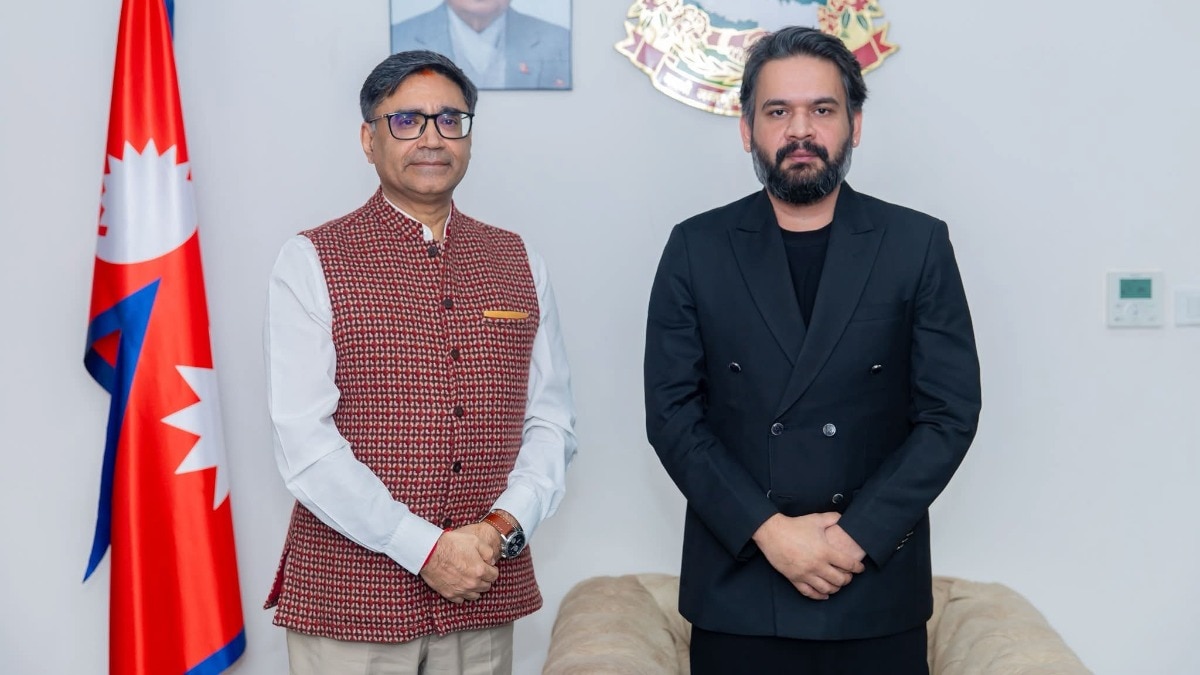
For months, the diplomatic temperature between Kathmandu and New Delhi hovered near a freezing point. As recently as May, a scheduled visit by India’s Foreign Secretary, Vikram Misri, was abruptly called off, an event that highlighted a growing rift in regional protocol. But on Thursday, that tension gave way to a face-to-face meeting in Kathmandu, marking a significant recalibration for Nepal’s Prime Minister, Balen Shah.
This encounter between the two officials is not merely a formality; it is a clear signal that the pragmatic realities of regional governance are overriding the rigid “protocol politics” that defined much of the year. According to reporting from India Today, the meeting serves as a final piece of preparation before the Prime Minister’s expected trip to India on November 22—a visit that will stand as his first bilateral foreign mission since he took office in March.
From Protocol Snubs to Collaborative Energy Talks
The shift in tone is stark. Earlier this year, Nepal’s administration appeared to be operating under a strict, self-imposed rulebook: refusing one-on-one meetings with foreign diplomats who did not hold a rank equivalent to a foreign minister. This stance led to a series of high-profile snubs, including skipped meetings with U.S. officials and the postponement of the aforementioned visit by India’s Foreign Secretary. Bozokmedia noted that the decision to reverse this trend and engage with New Delhi reflects a newfound willingness to prioritize established diplomatic channels over previous, more isolationist postures.
During Thursday’s talks, the conversation pivoted toward tangible, long-term interests: water resources, energy, and bilateral trade. The removal of the Prime Minister’s trademark sunglasses during the meeting was noted by observers as a symbolic, if small, gesture of transparency. It suggests a leader who is, quite literally, ready to see the relationship with his country’s largest trading partner with more clarity.
The Climate Crisis as a Diplomatic Catalyst
Geopolitics often changes under the pressure of disaster, and the August 26 glacial collapse in Tibet provided a grim, urgent prompt for cooperation. The resulting flash floods devastated parts of the Nepal-Tibet border, leaving more than 1,400 people dead and thousands missing. In the aftermath, India moved quickly to deliver over 140 tonnes of emergency supplies, including Bailey bridges and specialized equipment to assist in trapped-tunnel rescues.
This rapid response reinforced India’s role as a “first responder” in the region. The impact was not lost on the Prime Minister; by September, in his first address to the United Nations General Assembly in New York, Balen Shah specifically praised the assistance. He went further, proposing a new, trilateral Himalayan Climate Resilience Mechanism involving Nepal, India, and China. This move signaled that Kathmandu was shifting its focus toward regional cooperation to mitigate the existential threats posed by climate change.
Economic Realities and the $2 Billion Package
Beyond the immediate necessity of disaster recovery, there is the undeniable gravity of economic survival. Constantino Xavier, an expert on South Asian affairs, noted that the global economic slowdown has made Nepal’s reliance on its southern neighbor more pronounced. India Today reported that Nepal is seeking an economic package worth more than $2 billion—a request that includes both grants and lines of credit intended to fund critical infrastructure, such as power transmission lines.

While New Delhi has remained publicly silent on the specific figures, the discussions held between the Prime Minister and the Foreign Secretary suggest that the financial aid is firmly on the table. For a nation looking to stabilize its economy, the cost of maintaining a cold shoulder toward India had simply become too high.
The Gorkha Recruitment Factor
Another piece of the puzzle lies in the future of the Gorkha soldiers. The introduction of India’s Agnipath scheme in 2022—which limited permanent retention to 25% of recruits after four years—had previously caused a freeze in the recruitment of Nepali youths into the Indian Army. Nepal argued that the shift violated the 1947 tripartite agreement. However, with India recently revamping the scheme to allow trainees to transition into regular service, the environment for restoring this historic military partnership has improved significantly.
This development comes at a convenient moment, providing a smoother path for the Prime Minister’s upcoming visit. As the geopolitical landscape shifts—with five Indian states sharing a border with Nepal—the security and economic integration of the two nations remains a paramount concern for New Delhi. For now, the focus shifts to November 22, when the Prime Minister’s visit will mark the first such trip by a Nepali leader in three years, potentially setting the tone for a new era of regional engagement.
Worth a look

President Marcos nominates 9 Cabinet members to Commission on Appointments
President Marcos Swears in 10 Cabinet Officials President Ferdinand Marcos Jr. administered the oath of office to 10...

Can Changing Food Order Help Blunt Blood Sugar Spikes? New Study Suggests Benefits
Olive Oil Before Glucose: Does Meal Sequence Control Blood Sugar Spikes? A new study published in the journal...

Arrest after teenager injured in Galway shooting incident
Investigation Underway Following Shooting in Ballinasloe A major investigation is currently unfolding in County Galway after a teenager...

How Facebook’s Crunchy Moms Group Spreads Dangerous Medical Misinformation
The Growing Reach of Vaccine Misinformation in Digital Parenting Spaces In August, as a measles outbreak took hold...