
Assembly Bill A3966 Targets Data Center Water Use
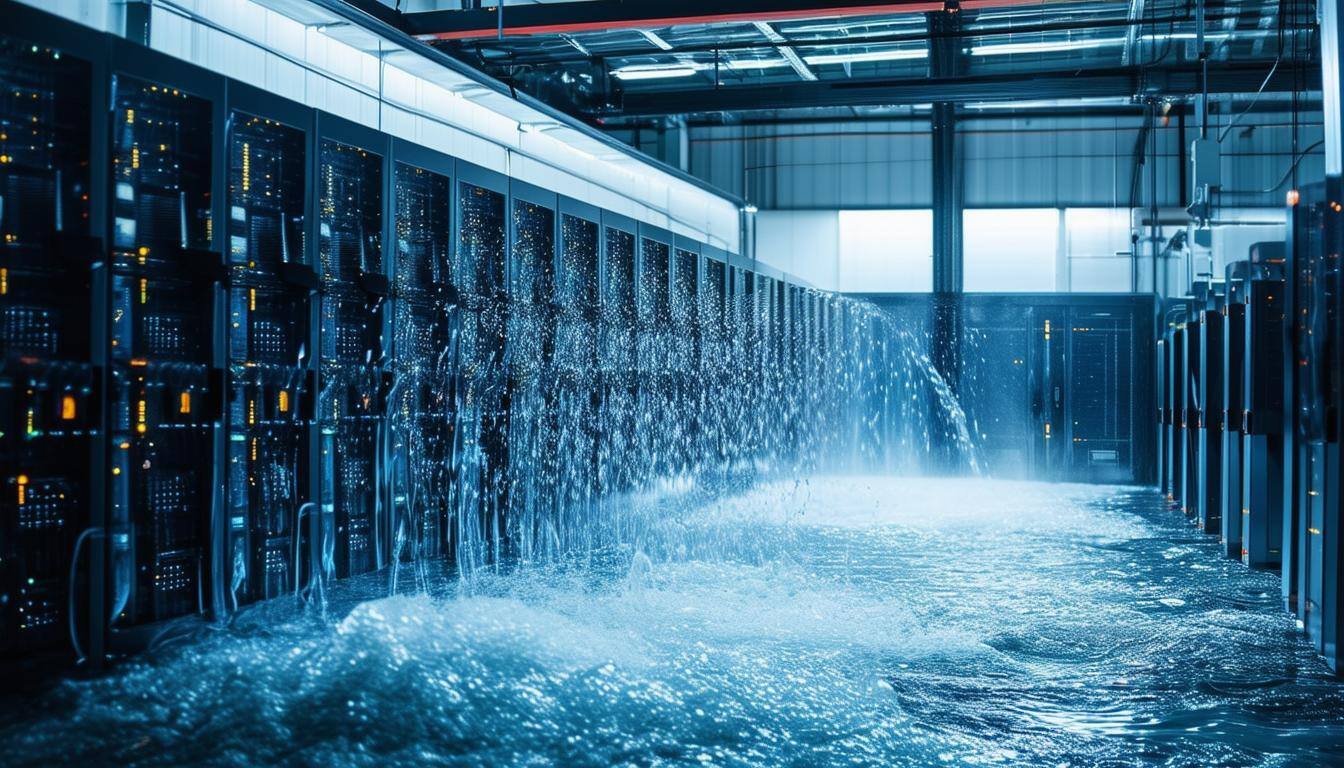
The New Jersey General Assembly has officially passed Bill A3966, a legislative move aimed at quantifying the environmental and economic footprint of the state’s rapidly expanding data center sector. As reported by ROI-NJ, the measure mandates that the Department of Environmental Protection (DEP) conduct a comprehensive evaluation of how these facilities—which serve as the physical backbone of the modern digital economy—impact local water supplies and wastewater infrastructure.
The legislation arrives as New Jersey faces increasing pressure to balance its role as a regional tech hub with the finite capacity of its public utility systems. While much of the recent public discourse has centered on the massive electricity demands of these server farms, state lawmakers are now pivoting toward the often-overlooked issue of water consumption used for cooling systems.
Karabinchak, Bhalla, and Collazos-Gill Lead Legislative Push
The bill, sponsored by Assembly members Robert Karabinchak (D-Middlesex), Ravi Bhalla (D-Hudson), and Alixon Collazos-Gill (D-Essex, Passaic), seeks to bring transparency to the resource-intensive nature of data center operations. The DEP is now authorized to request specific operational data from operators, public water systems, and wastewater utilities to build a clearer picture of current and future usage.
In order to plan accordingly for future data center development, we need a clearer understanding of how these facilities use our water resources and what that means for our communities, said Assemblyman Karabinchak. This study would give us the information needed to make informed decisions about how to protect our water supply and our residents.
The urgency behind the bill stems from a concern that the costs of infrastructure upgrades—or the risks of water depletion—could eventually be passed on to the public. Assemblyman Bhalla emphasized the potential burden on families, noting that understanding the specific requirements of these facilities is essential to ensuring that residents do not bear the financial weight of private industry consumption.
Moving Beyond Electricity Consumption
For years, the Board of Public Utilities has focused heavily on the electricity usage of large-scale data centers. By requiring the DEP to perform a similar, rigorous assessment of water usage, the state is effectively treating water as an equally critical utility. Assemblywoman Collazos-Gill highlighted that this parity is necessary for a complete understanding of the resource strain created by high-density digital infrastructure.
The legislation provides a clear pathway for future regulatory action. Under the provisions of A3966, the Commissioner of Environmental Protection is authorized to submit recommendations for potential new laws to govern water consumption by these facilities. This could lead to a significant shift in how the state permits and monitors data center growth in the years to come.
The Economic and Infrastructure Stakes
The core of the issue lies in the physical nature of data storage and processing. High-performance computing generates intense heat, and many modern data centers employ evaporative cooling systems that require millions of gallons of water annually. While these facilities contribute to the local tax base and support the digital infrastructure of the tri-state area, they also compete for resources with residential and agricultural sectors.
Critics of strict regulation argue that data centers are critical economic engines that provide high-paying jobs and tax revenue that supports local school districts. They contend that imposing heavy administrative burdens could drive investment to neighboring states. Proponents, however, maintain that the state has a fiduciary duty to manage natural resources and that without this data-gathering study, the DEP cannot effectively plan for the long-term sustainability of the state’s water grid.
The DEP’s forthcoming study will likely serve as the primary evidence for any future legislative debates regarding zoning, water allocation, and infrastructure investment. As the state moves forward, the focus remains on whether the current utility capacity can support the projected growth of the tech sector without compromising the water security of the average New Jersey household.
Keep reading

One Injured, One Detained After Shooting at Chippenham Hospital
Shooting in Chippenham Hospital parking lot leaves one injured A shooting incident in the parking lot of Chippenham...

Star Valley Braves Host Lander Tigers in 3A Semifinals
Star Valley Braves Host Lander Tigers in 3A Semifinal Showdown The path to the Wyoming 3A state championship...

Houston Mayor Whitmire Restricts HPD Cooperation With ICE Under SB 4
Houston Police Department Limits ICE Interaction Under New Directive "I was on the Senate floor when SB 4...

Obituary: Valarie Val M. Matushak, 96, Wausau, WI
A Life Defined by Resilience: Remembering Valarie Matushak Valarie "Val" M. Matushak, a woman whose life spanned the...