
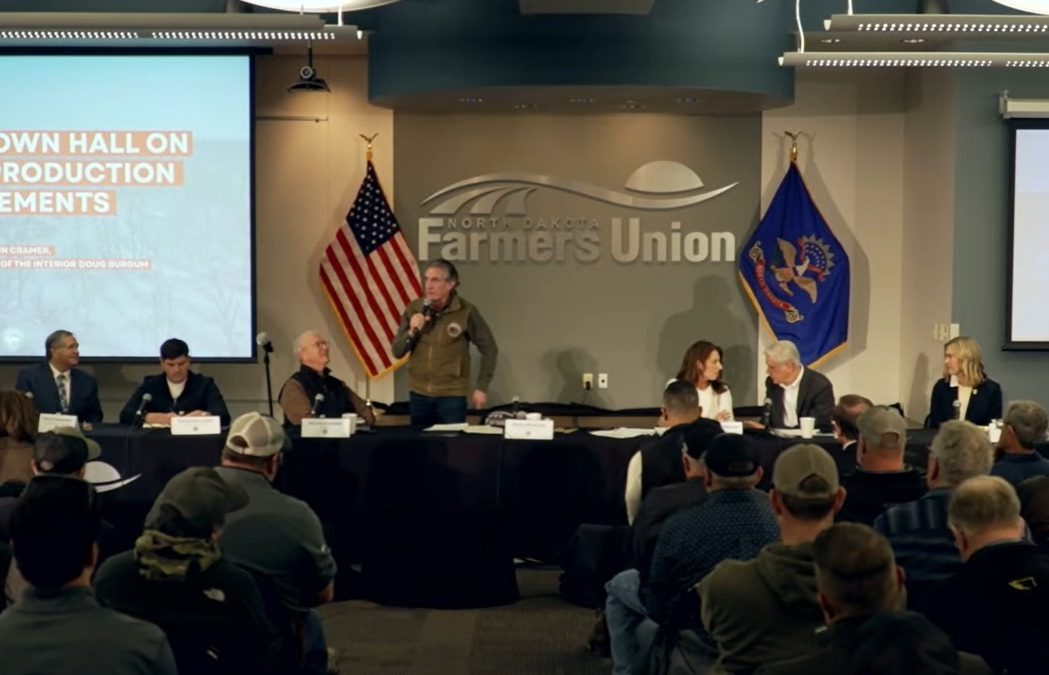
North Dakota landowners met Interior Secretary Doug Burgum and U.S. Fish and Wildlife Service Deputy Director Tyler Kellogg in Jamestown on Monday, demanding fixes to easement rules they say have expanded far beyond contracts signed in the 1960s and 1970s, North Dakota Monitor reported.
Sen. Kevin Cramer, R-N.D., organized a town hall at the North Dakota Farmers Union in Jamestown after placing holds on Trump administration nominees to pressure the administration on the issue. Cramer said North Dakota holds more than 16,000 of the service’s easements — over 50% of the national total — with another 30% in South Dakota. The news reported Cramer’s figure of 88% of all federal wetland easements concentrated in the two states. The dispute centers on a Biden-era setback rule that bars drain tile installation within expanded buffers around wetlands. Landowners displayed maps showing wetlands smaller than one-tenth of an acre where setbacks remove five times the original easement area from production, Burgum said. Ryan Pederson, who farms in Rolette County, called the original agreements the “greatest single mistake” his ancestors made. “It is your mistake to have to deal with,” he told Burgum. Steve Hansen, another landowner, told AM 1100 The Flag that setbacks in his area stretch up to 2,800 feet and extend beyond property lines.
He said the agency does not maintain the purchased wetlands, worsening soil salinity on surrounding fields. “Not only is it hurting the soil health, but quite frankly, we’re losing habitat for ducks and pheasants and everything else,” Hansen said. Cramer said many small wetlands no longer hold water and have become saline divots. “There are no ducks on saline divots,” he said. He called the rule “theft of property” and a breach of contract.
Jill Shaffer, a retired ecologist from the Northern Prairie Wildlife Research Center, countered that wetlands under one acre and seasonal basins are vital. “They are your everything,” she said of ducks and other wildlife. U.S. Fish and Wildlife Service Principal Deputy Director Tyler Kellogg outlined a pilot program to redraw maps protecting similar acreage in larger, consolidated blocks.
Cramer said he has been releasing nominee holds as conversations progress, including site visits by Fish and Wildlife officials. Sen. John Hoeven, R-N.D., said a fix may require congressional action or a legal challenge.
Pilot program and cooperative framework
Officials plan to gather feedback from attendees at the town hall before making final revisions to the agreement.
Landowner concerns
Drew Courtney, who farms in Dickey County near the South Dakota state line, said most farmers agree on being good stewards of the land. “They chose not to include any landowner input because that would simply slow the process down,” Pederson said. “That is not the goal at all.”
Interactive Calculator Accounts for Varied Soil Types
U.S. The proposed cooperative framework agreement incorporates an interactive calculator built with help from a local farmer and Deputy Director Kellogg to account for varied soil types across the Prairie Pothole Region, AM 1100 The Flag reported.
Officials plan to gather feedback from town hall attendees before making final revisions to the agreement, AM 1100 The Flag reported.
Landowners Excluded from Guidance Update Process
Ryan Pederson said federal officials previously promised to include landowners when updating guidance but reversed course, choosing to exclude them because inclusion would slow the process, AM 1100 The Flag reported.
Pederson stressed that farmers are not trying to void the easements but want them honored as written, AM 1100 The Flag reported.
Officials’ response
“We shouldn’t be punished because we’re better at it than everybody else,” Cramer said. U.S. “Conservation doesn’t just mean habitat. You guys can do both,” Burgum told the crowd. Fish and Wildlife Service Director Nesvig missed the event due to flight delays. The meeting was followed by a press conference.
Michigan Works! Southwest Names 2026 Workforce Development Champions
Michigan Works! Southwest honored four organizations as 2026 Workforce Development Champions on Nov. 19 at FireKeepers Casino Hotel...
Learning Ecosystems Northeast Hosts STEM Educator Gathering at University of Maine
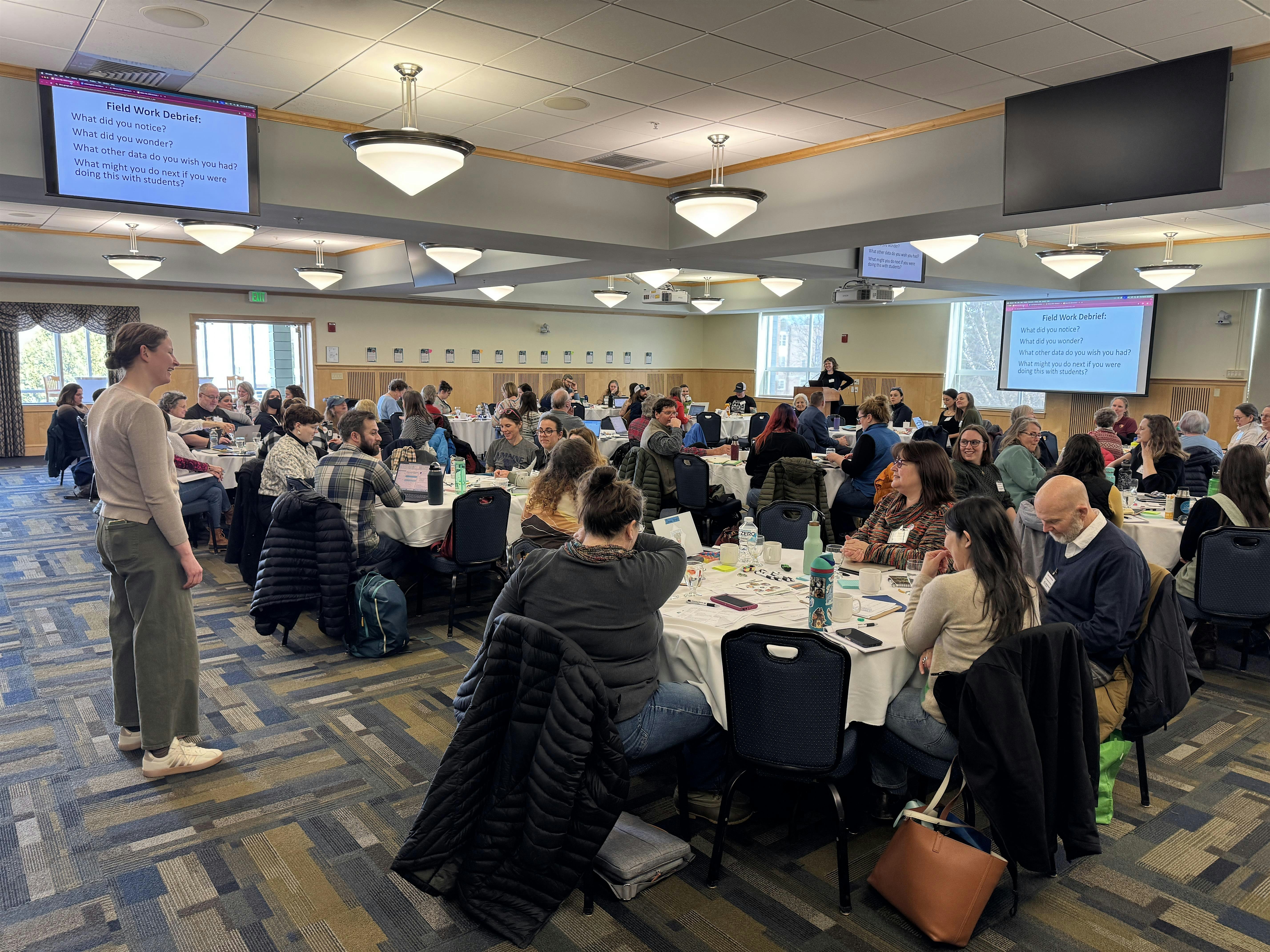
Learning Ecosystems Northeast will convene a two-day gathering of STEM educators at the University of Maine's Buchanan Alumni...
Douglass, Foster, Remond, and Burleigh Launch 1845 New Hampshire Lecture Campaign
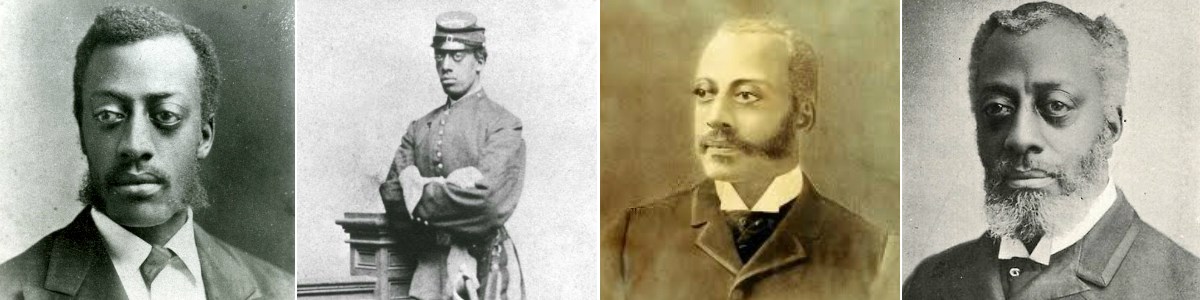
In February 1845, four abolitionists — Frederick Douglass, Stephen Symonds Foster, Charles Lenox Remond, and Cyrus M. Burleigh...
Houston Vaults to No. 1 in University Daily Kansan Week 3 Poll After Sweeping Players Era 8 Tournament
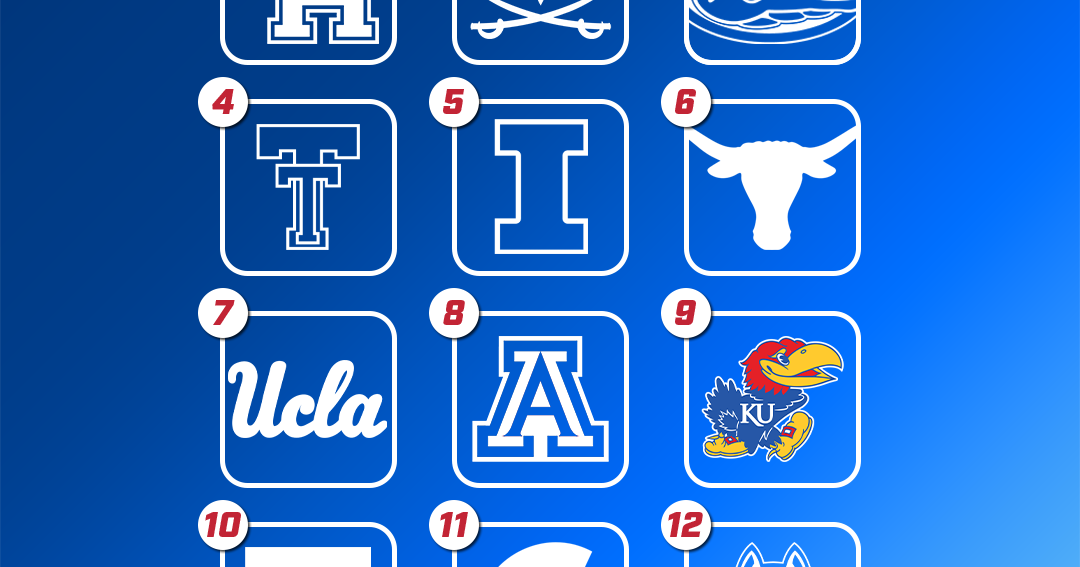
Houston vaulted to No. 1 in the University Daily Kansan Week 3 college basketball poll after sweeping the...