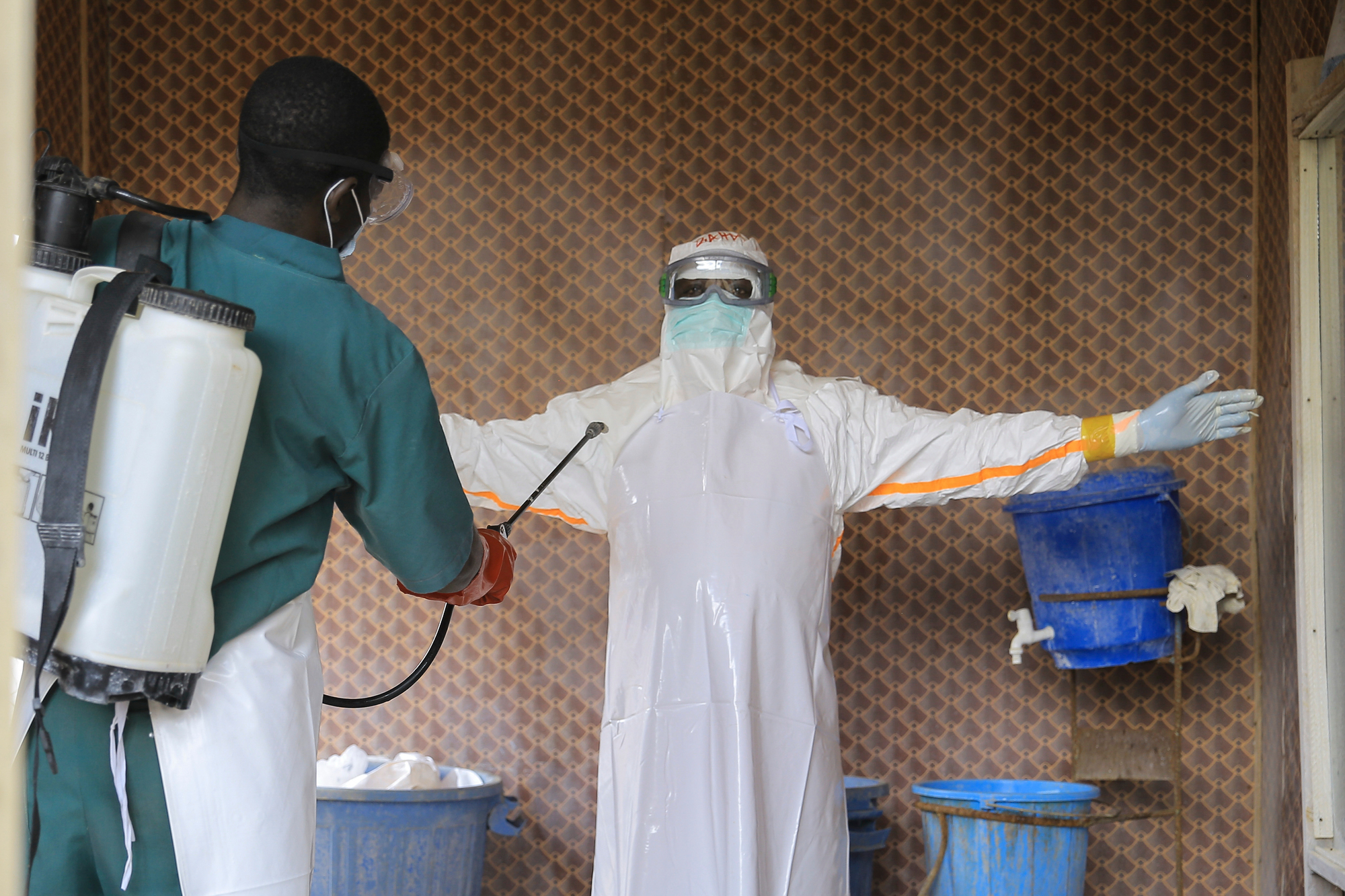
The death toll in the Democratic Republic of Congo’s accelerating Ebola epidemic has crossed 5,000, driven by the relentless transmission of a rare virus strain and compounding containment challenges across multiple countries, Irish Examiner reported.
An Unprecedented Geographic Spread
Government data released by the Congolese ministry of health shows that the disease has killed 5,026 people out of 10,351 recorded infections, registering a lethality rate of nearly 50%. The outbreak, which stems from the Bundibugyo virus, was declared in mid-May and has quickly established itself as the second deadliest Ebola epidemic in recorded history. It trails only the 2014-2016 West African outbreak, which claimed 11,000 lives across multiple countries.
According to figures cited by RTE.ie, cumulative infections across the region have surpassed 10,060 cases with 4,887 deaths attributed specifically within DRC tallies. Al Jazeera noted that roughly 80 percent of new cases are currently emerging outside the chains of transmission actively monitored by health authorities, falling well short of the Africa Centres for Disease Control and Prevention benchmark requiring at least 95 percent of cases to originate from known contacts.
Dr Jean Kaseya, director general of the Africa CDC, warned in reporting by The Guardian that the unprecedented geographic extension of the outbreak means it could potentially reach the UK and other international destinations. Dr Kaseya compared the trajectory to the early stages of the Covid pandemic, emphasizing that nations across all continents must elevate their preparedness and treatment capacities.
“We want all countries to know that they are not safe if they don’t take appropriate measures,” Dr Kaseya told The Guardian. “Each country, not only in the African region, but all continents, must now increase the preparedness level and the possibility for treatment.”
Regional Conflict and Community Resistance
Efforts to blunt the spread have faced severe operational hurdles in the eastern region of the DRC, which serves as the epicenter. As detailed in the initial government data, 9,782 total confirmed cases and 4,792 deaths have been concentrated in Ituri and North Kivu. These provinces remain heavily impacted by active conflict involving government forces, the Rwanda-backed M23 rebel group, and the Allied Democratic Forces operating near the Ugandan border.
Beyond security constraints, health workers contend with widespread community skepticism. An October survey conducted by the International Rescue Committee, highlighted by NPR, found that 85 percent of respondents in North Kivu reported that distrust of community responders prevents them from seeking timely medical care.
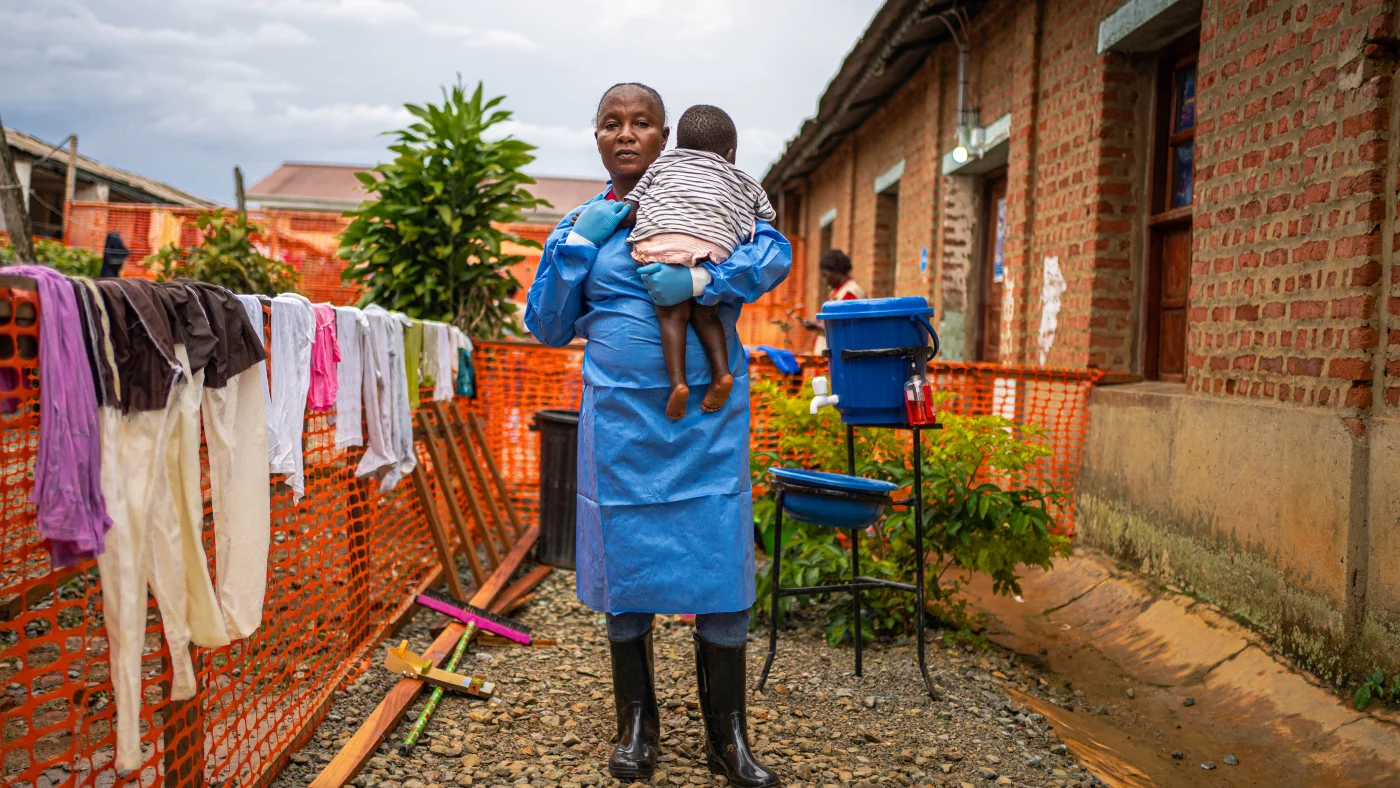
This friction has occasionally erupted into lethal violence. Last week, a nurse was killed while responding to an Ebola alert in the region, following the September death of a ruling party politician who was killed after advocating for health measures during a radio broadcast.
Because the Bundibugyo species of the virus lacks any approved vaccines or specific antiviral treatments, medical personnel rely primarily on supportive care addressing individual symptoms. Clinical trials for candidate vaccines, such as the Tumaini vaccine mentioned by Al Jazeera and testing of the Ervebo vaccine reported by RTE.ie, have been rolled out in recent weeks to evaluate their efficacy against this specific variant.
Cross-Border Transmission and International Funding Shortages
The current outbreak marks the first time three African regions have been simultaneously affected. While neighboring Uganda previously contained a cluster of 20 imported cases and two deaths over the summer, Kenyan health authorities have confirmed nine cases and two fatalities since the virus was first detected there on October 6.

In West Africa, Nigeria confirmed a case in the capital of Abuja after a woman who arrived from Uganda tested positive for the Bundibugyo virus.
International response efforts are facing acute financial constraints. Dr Kaseya stated that while governments have pledged $3 billion toward the continental response, more than $2 billion remains outstanding from international donors, including the US, the UK, and the EU. African nations have committed $120 million to the operational budget.
“We must understand that failure to provide funding now to African countries [will result in more being spent] because the outbreak will continue to move,” Dr Kaseya told The Guardian. “If we have other countries affected we’ll be talking about trillions of dollars because it will require a lot of support to stop this outbreak.”
Related reading

One dead, two injured after multiple stabbing incident at Kerry Ipas centre – The Irish Times
Early Saturday morning in County Kerry, a disturbance at an asylum accommodation facility turned fatal when a man...

Review: Call of Duty: Modern Warfare 4 (PS5) – Same Old Multiplayer Drags Down Stellar Package
Call of Duty: Modern Warfare 4 arrives across major consoles and PC for $69.99, pairing Infinity Ward's strongest...
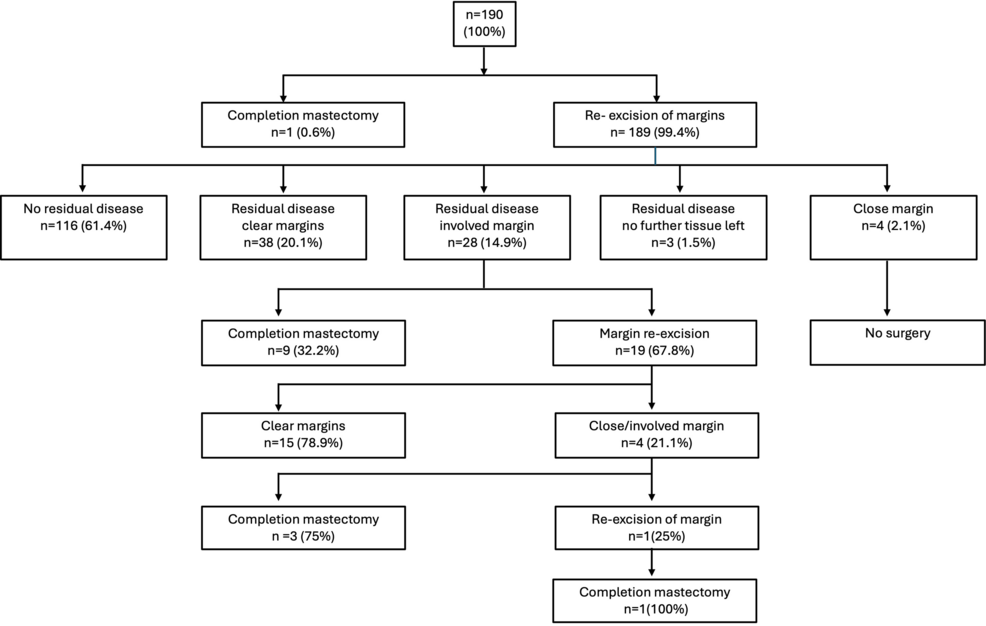
Outcomes Following Breast-Conserving Surgery for Positive Radial Margins: A Five-Year Longitudinal Study – Cureus
When a surgeon removes a tumor during breast-conserving surgery, the margins of healthy tissue surrounding that tissue are...
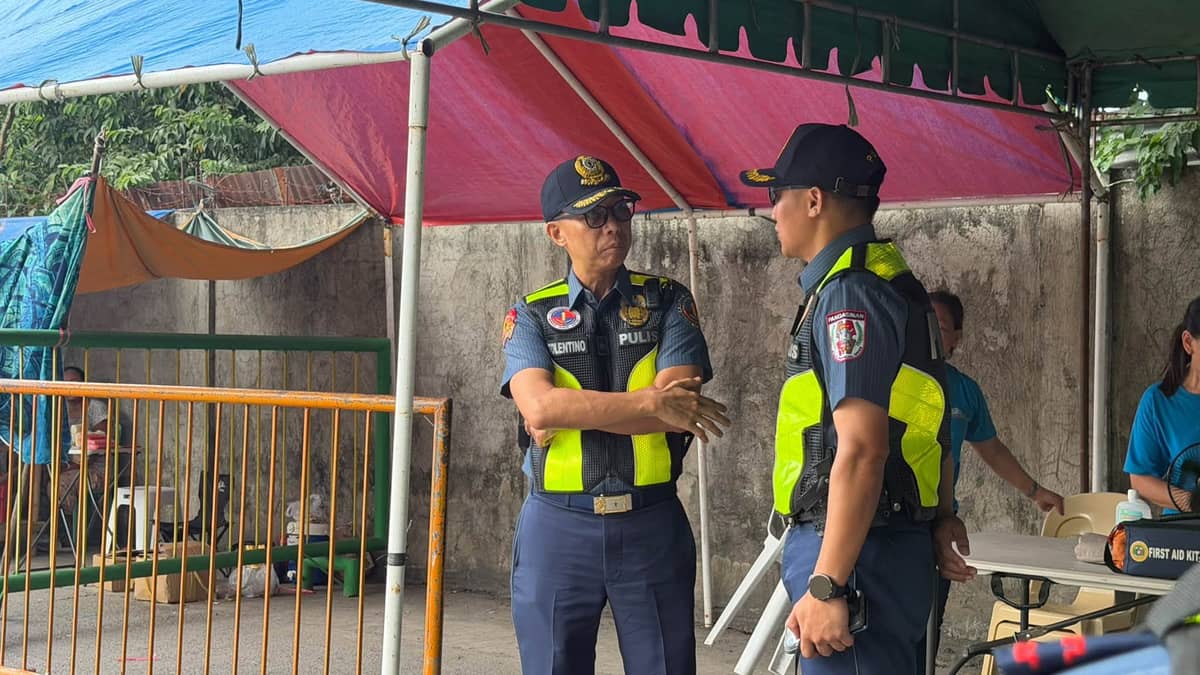
Ilocos police chief checks Undas security in San Carlos – Daily Tribune
Seaport Traffic Surges Past 114,000 as Undas Travel Rush Intensifies Nationwide As millions of Filipinos travel across the...