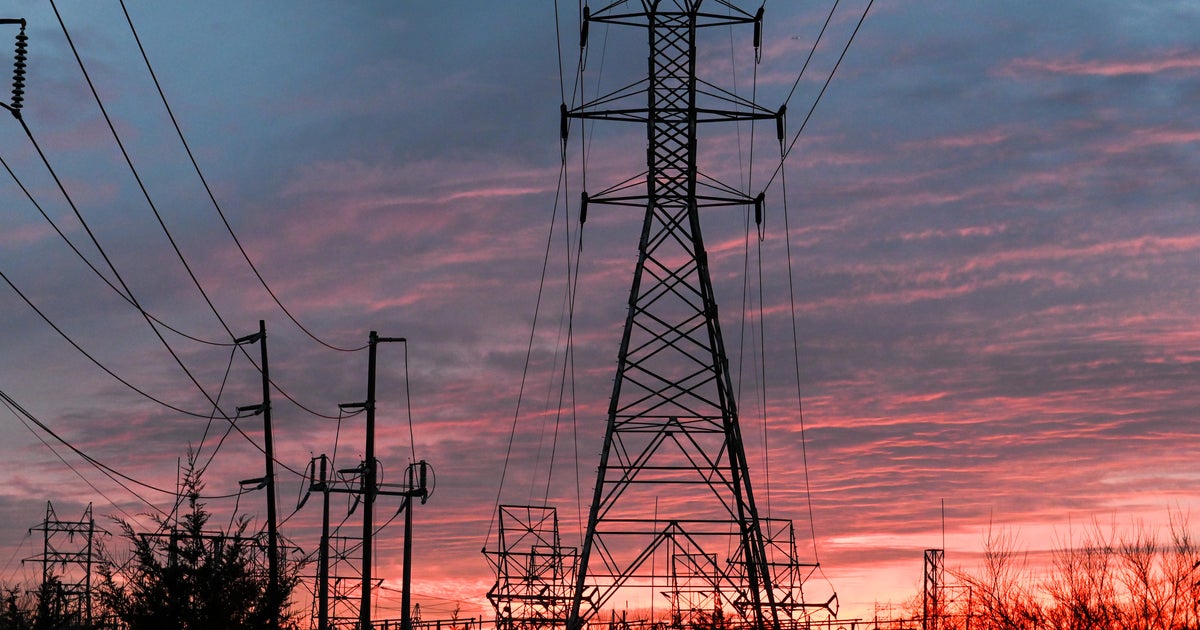
“We’ve seen this happen in other states, other parts of the U.S., Louisiana, California, Texas. New York does not want to be in that situation,” said Kevin Lanahan, senior vice president for external affairs at the New York Independent System Operator.
The state’s grid operator warned Tuesday that New York could face a statewide electricity shortfall as early as 2033, the first time NYISO has projected a gap across the entire system, according to Spectrum News. The shortfall starts small but widens to roughly 1,850 megawatts by 2036 — enough power for nearly 1.5 million households, based on U.S. Energy Information Administration data. NYISO calls that figure a minimum.
CBS News reported the shortfall could impact more than one million customers and begin in 2032, citing the same 2026 Reliability Needs Assessment. NYISO said new transmission lines alone cannot close the gap.
Two forces are driving the deficit. Aging power plants — many over 50 years old — are retiring or breaking down more often. At the same time, large new loads are arriving upstate.
About 2,700 megawatts of new demand from projects such as data centers and chip factories are already baked into the forecast, with data centers accounting for roughly 1,700 megawatts. Another 14,000 megawatts of requests are waiting in the interconnection queue, most of them upstate, Spectrum News reported.
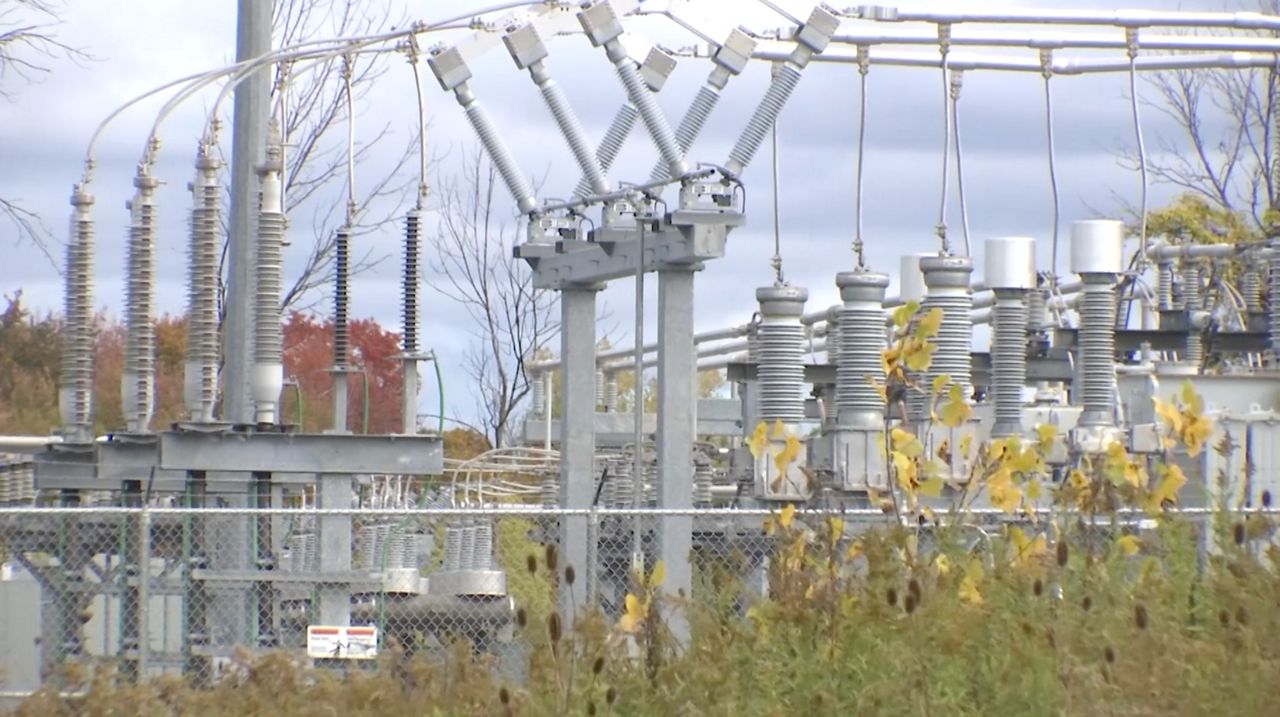
The strain is already visible. During a heat wave from June 30 to July 4, outages at plants more than 50 years old exceeded 3,000 megawatts by the final day. NYISO expects to need emergency measures about 21 days a year by 2036, up from roughly 3½ days in 2027.
Local shortfalls are projected downstate — in New York City and the Lower Hudson Valley — starting in 2032. NYISO found no upstate reliability shortfall on its own, but because the grid is shared, upstate growth adds to the statewide gap.
“The worst case scenario is if we do nothing,” said Michael Romita, CEO of the Westchester County Association. “We are behind a clean energy future and maintain support of carbon neutrality by 2050. But somebody needs to show us what that path forward looks like,” Romita said.
Dr. Lindsay Anderson of Cornell University told CBS News the state could see days with blackouts if supply cannot meet demand. “And we could get into reliability problems where there’s just simply not enough electricity to go around, right? And then we start to see days where we might have blackouts, for example,” she said.
NYISO said one relief valve exists: if all new data centers agreed to cut back power use at peak times, the 2036 gap would shrink by about 1,000 megawatts. The grid operator will first update its forecasts; if a gap remains, it will seek proposals for new supply.
Ken Lovett, senior communications adviser for energy and environment in Gov. Kathy Hochul’s office, said the report “only confirms what Governor Hochul has been saying — New York needs more energy grid capacity to avoid blackouts in the age of unprecedented energy use.” He cited an “all-of-the-above strategy” that includes more nuclear, wind, solar and other forms of energy.
At All-County Generators in Mount Kisco, the team is busy selling and installing backup units for customers increasingly worried about blackouts and cyberattacks, Joe Covais told CBS News.
NYISO releases its next quarterly update in January.
Keep reading
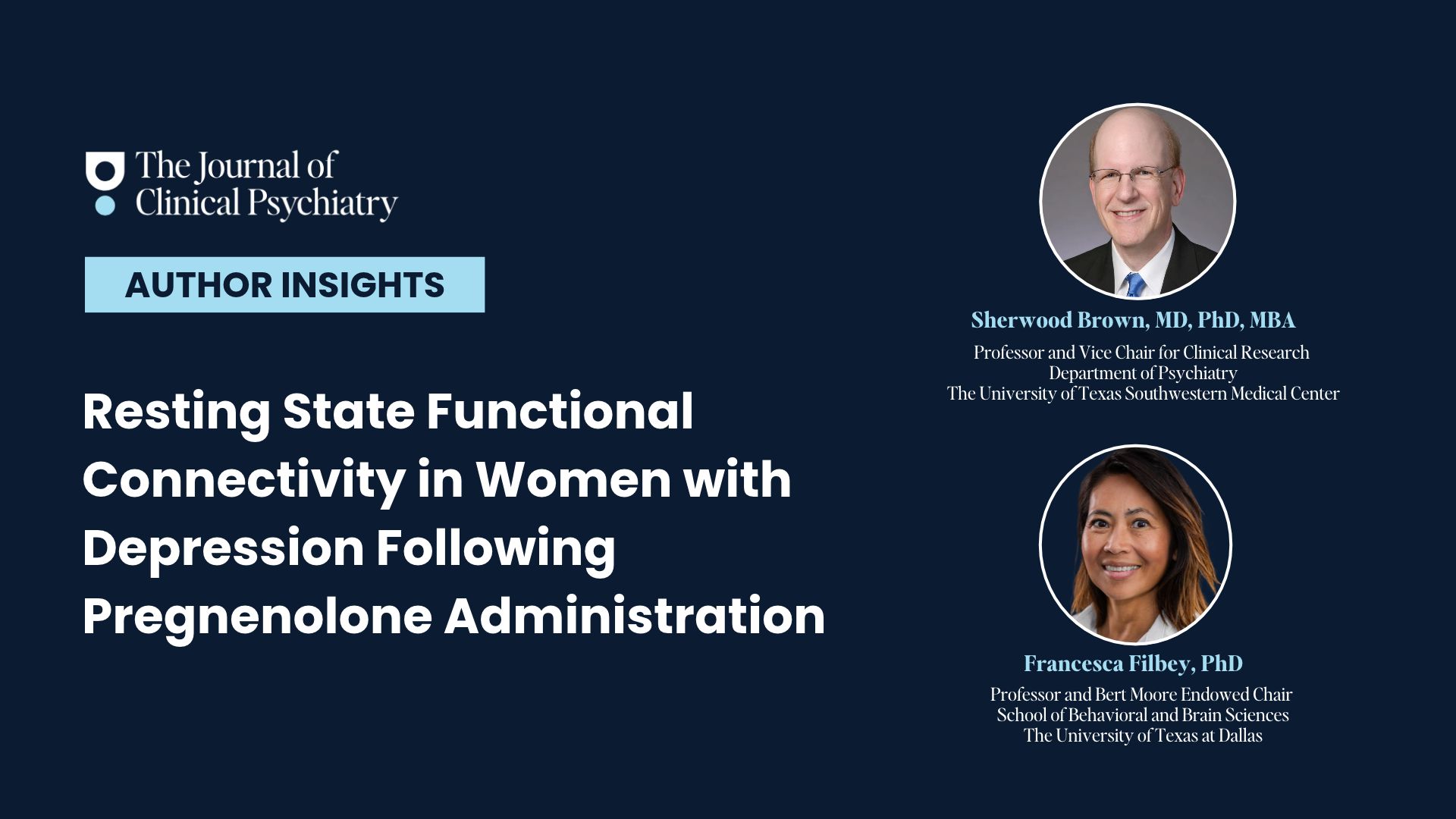
Low-Dose Pregnenolone Reduces Amygdala-Frontal Pole Connectivity in MDD; Higher Dose Shows No Effect
Researchers at UT Southwestern Medical Center found that a low dose of the neurosteroid pregnenolone reduced functional connectivity...
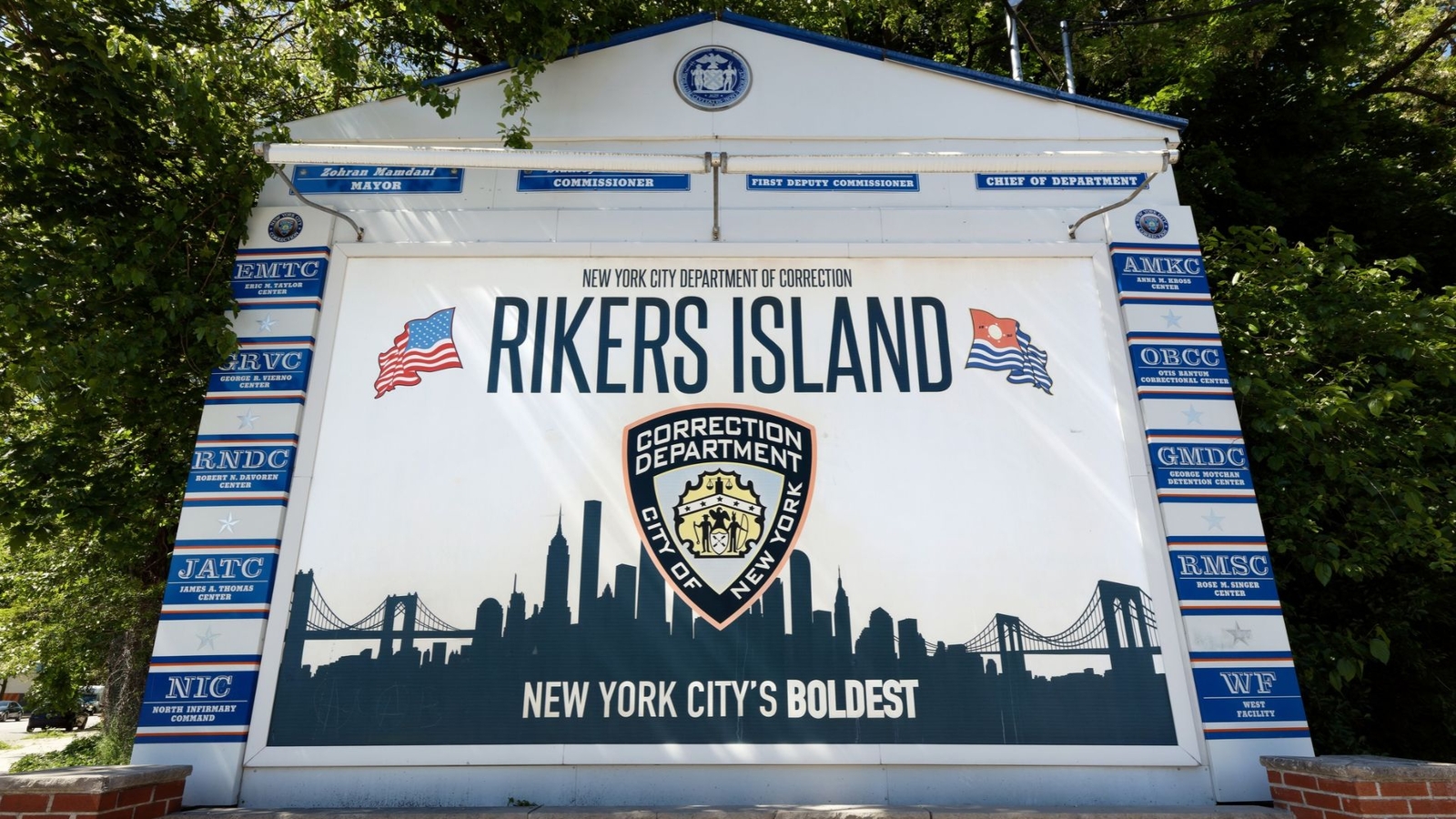
Mamdani Proposes Five-Year Extension to Close Rikers by End of 2032
Mayor Zohran Mamdani proposed a five-year extension to close Rikers Island on Friday, moving the legally mandated deadline...

Researchers: Action Games Boost Cognition But Wellbeing Depends on Perceived Value
Grand Theft Auto VI launched Thursday on PlayStation 5 and Xbox Series X|S, and researchers are already parsing...

PAHO Rules U.S., Mexico, Bolivia Lost Measles Elimination Status
The Pan American Health Organization ruled Tuesday that the United States, Mexico and Bolivia have lost their measles...