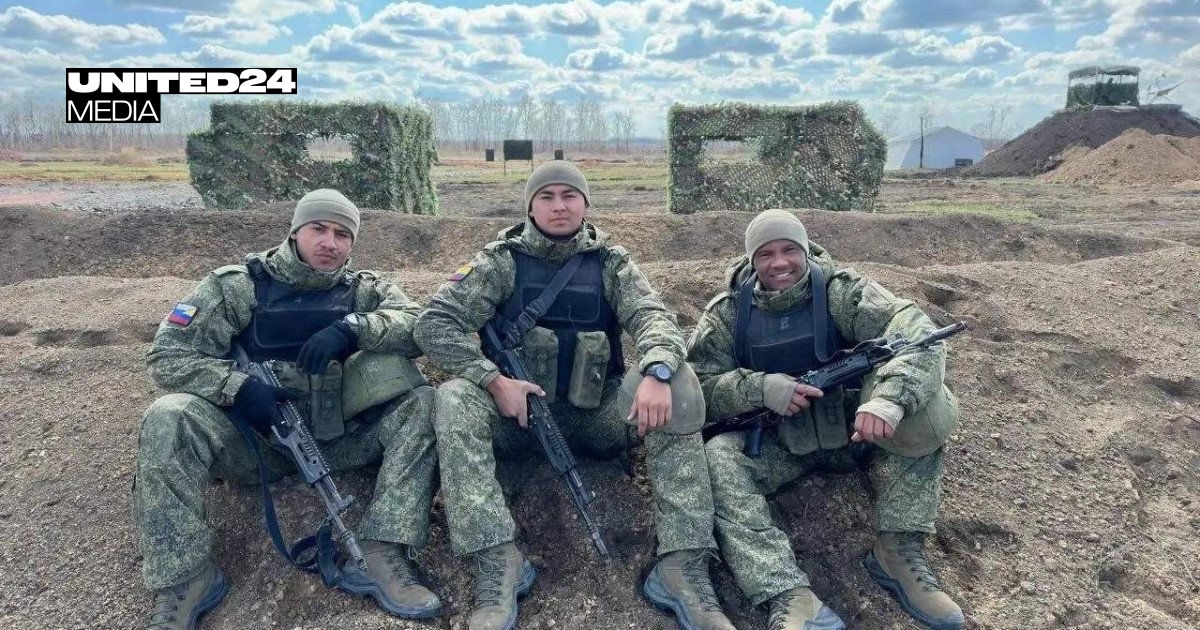
Two Brazilian intermediaries promised recruits annual pay of up to $100,000 and rear-echelon jobs, then seized their military salaries through powers of attorney hidden in Russian-language enlistment papers, The New York Times reported Tuesday.
The scheme, detailed in a New York Times investigation published Nov. 26, lured dozens of Brazilians to Moscow through YouTube, Instagram and TikTok posts that described kitchen and weapons-maintenance posts far from the front, the Times found. Once in Russia, the men were pressed into signing documents they could not read that granted recruiters Artur Michel Kreff Avalone and Antônio Aguiar Neto control over their bank accounts and military payments.
Recruitment and deception
“Attention, Brazilian people,” Avalone says in one video reviewed by the Times. “Come and enlist in the most powerful army on the planet. You don’t need to speak Russian or have proven military experience.” The posts directed viewers to Telegram for next steps, promising airport transport and “introduction to Russian culture” among the perks, according to the Times.
Igor Pereira Santos, a 37-year-old stock trader from Brazil’s northeast, saw the pitch in late 2024. “I bought a ticket and just went for it,” he told the Times. Within weeks of arriving in Moscow last year, he was sent to the front with little training while $25,000 he received for enlisting vanished from his account, the Times reported.
Months later, shrapnel shredded both his legs near Vovchansk in Ukraine’s Kharkiv region in June 2025, medical records reviewed by the Times show. “They promise you the moon and the stars,” Santos said. “But the reality is horrifying.”
Fernando Mazzo, 45, deployed to Russian-occupied Crimea and then to Russia’s Kursk region after only 20 days of training. He escaped from a military hospital in St. Petersburg and returned to Brazil. “By the time we realized the scam, we were already enlisted in the army,” Mazzo told the Times.
Widening pattern
The investigation drew on interviews with nine Brazilian recruits and relatives of three others, plus military contracts, bank statements, power-of-attorney forms, photos, videos, audio and text messages.
Neither Avalone nor Neto responded to multiple requests for comment from the Times. Russia’s Defense Ministry did not answer emailed questions about whether the two men had links to the military or were recruiting on its behalf, the Times said. Russian Foreign Minister Sergey Lavrov acknowledged this year that foreigners were participating in the fighting but said his government did not trick people into joining, the Times said.
Authorities in South Africa, Kenya and Bolivia have also raised concerns about their citizens being deceived into fighting for Russia. In June, a CNN investigation revealed that hundreds of Peruvians may have been recruited under false promises of civilian employment before being sent to Ukraine; Peruvian prosecutors opened a human-trafficking investigation into that network.

Recruiters pitch perks on Telegram
On Telegram, Avalone and Neto listed benefits that resembled a student exchange program, according to the New York Times. One bullet point promised “Transport from the airport,” while another offered “Introduction to Russian culture.” The recruiters directed viewers from YouTube, Instagram and TikTok to the messaging app for next steps, the Times reported.
Neither intermediary responded to multiple requests for comment from the Times. Their online campaign has since gone silent and their whereabouts are unclear, the Boston Globe said.
Igor Santos lured by online video
Igor Pereira Santos, a small-time stock trader from Brazil’s northeast, spotted a YouTube video in late 2024 offering thousands of dollars a month to serve in the Russian army, the New York Times reported.
Two men claiming to be Brazilians living in Moscow promised help joining and, for a fee, jobs in kitchens or weapons maintenance far from the front, Santos told the Inquirer. “I bought a ticket and just went for it,” he said.
“They promise you the moon and the stars,” Santos told the Times. “But the reality is horrifying.”
Brazil’s Foreign Ministry has warned citizens against joining foreign conflicts but has not directly addressed recruitment into the Russian army, the Times said. Brazilian and Russian authorities declined to say whether they were investigating the claims against Avalone and Neto.
Keep reading

Eisenkot Downplays Unity Govt Option After Tel Aviv Talks
"I'm committed to my partners in the bloc. You're welcome to join after the government is formed," Gadi...

India Overtakes China as Top Sulphur Dioxide Emitter as US, EU Cut Emissions 94%
India has overtaken China as the world's largest sulphur dioxide emitter while the US and EU have cut...

Southeast Asia’s Growth Forecast Unfazed by Strait of Hormuz Closure
The Asian Development Bank expects developing Southeast Asia to grow 4.7 per cent in 2026, even as energy...

ASEAN Signs Digital Pact but Splits Into Rival US-China Tech Camps
ASEAN leaders signed the Digital Economy Framework Agreement on Nov. 14, but the bloc is splitting into rival...