
The Asian Development Bank expects developing Southeast Asia to grow 4.7 per cent in 2026, even as energy prices surge after the Strait of Hormuz closed in February.
- Developing Southeast Asia growth forecast at 4.7 per cent for 2026, up from 4.5 per cent in 2025.
- Regional inflation projected to nearly double from 2.1 per cent to 4 per cent.
- Philippines inflation hit 7.2 per cent in September; peso fell to all-time lows in October.
- Five of the poorest nations face dwindling reserves.
AI boom and supply-chain shifts mask energy shock
The growth forecast, reported by East Asia Forum, reflects a “massive growth injection” from the artificial intelligence boom that has lifted electronics supply-chain hubs — Malaysia, Thailand, Singapore and Vietnam — and a nearly 29 per cent jump in Southeast Asian exports to the United States in 2025 as firms relocated from China to avoid tariffs.
These demand-side gains outweigh the supply-side hit from the Hormuz closure, which cut off more than half the region’s crude oil imports, the analysis found.
Welfare shock hits poorest countries hardest
The Philippines recorded 7.2 per cent inflation in September 2026 and its central bank raised rates four times in a row, yet the peso still fell to all-time lows in October. Cambodia, Laos, Myanmar, the Philippines and Timor-Leste — the region’s five poorest economies — face shrinking foreign-exchange reserves. “Because inflation is regressive, it acts as a tax on the poor more than any other group,” the article says.
Subsidies and price caps strain budgets, miss targets
Most countries subsidise both fossil fuels and the green transition simultaneously, an “incongruity that undermines policy coherence and wastes public funds,” the analysis said.
Hormuz closure cuts off over half of region's crude imports
The February 2026 US–Israel war on Iran triggered the closure of the Strait of Hormuz, cutting off more than half of Southeast Asia’s crude oil imports, the East Asia Forum analysis reported. The disruption caused prolonged supply shortages for energy and its derivatives across Asia, with sharp price hikes for diesel, petrol and liquefied natural gas fuelling inflation.
Subsidies and price caps strain budgets while missing the poorest
The Philippines targeted assistance to low-income workers in transport, agriculture and fisheries, though the support was minimal and did little to offset sharp price increases. In all countries, subsidies and tax cuts were poorly targeted, reducing effectiveness for the poorest while raising budgetary costs.
Currency pressures and fiscal risks mount
Indonesia, Laos and Thailand also saw sharp currency depreciation despite rate hikes, feeding inflationary expectations and weakening investment. Singapore used its large reserves to manage inflation through currency appreciation. Myanmar’s political crisis and Laos’s debt crisis limit their response capacity.
Cambodia has faced additional strain since a June 2025 border closure with Thailand disrupted fuel, fertiliser and tourism flows. The analysis warns of growing fiscal vulnerability and sovereign-debt distress risk for the five poorest nations, which would further constrain responses to emerging shocks such as El Niño.
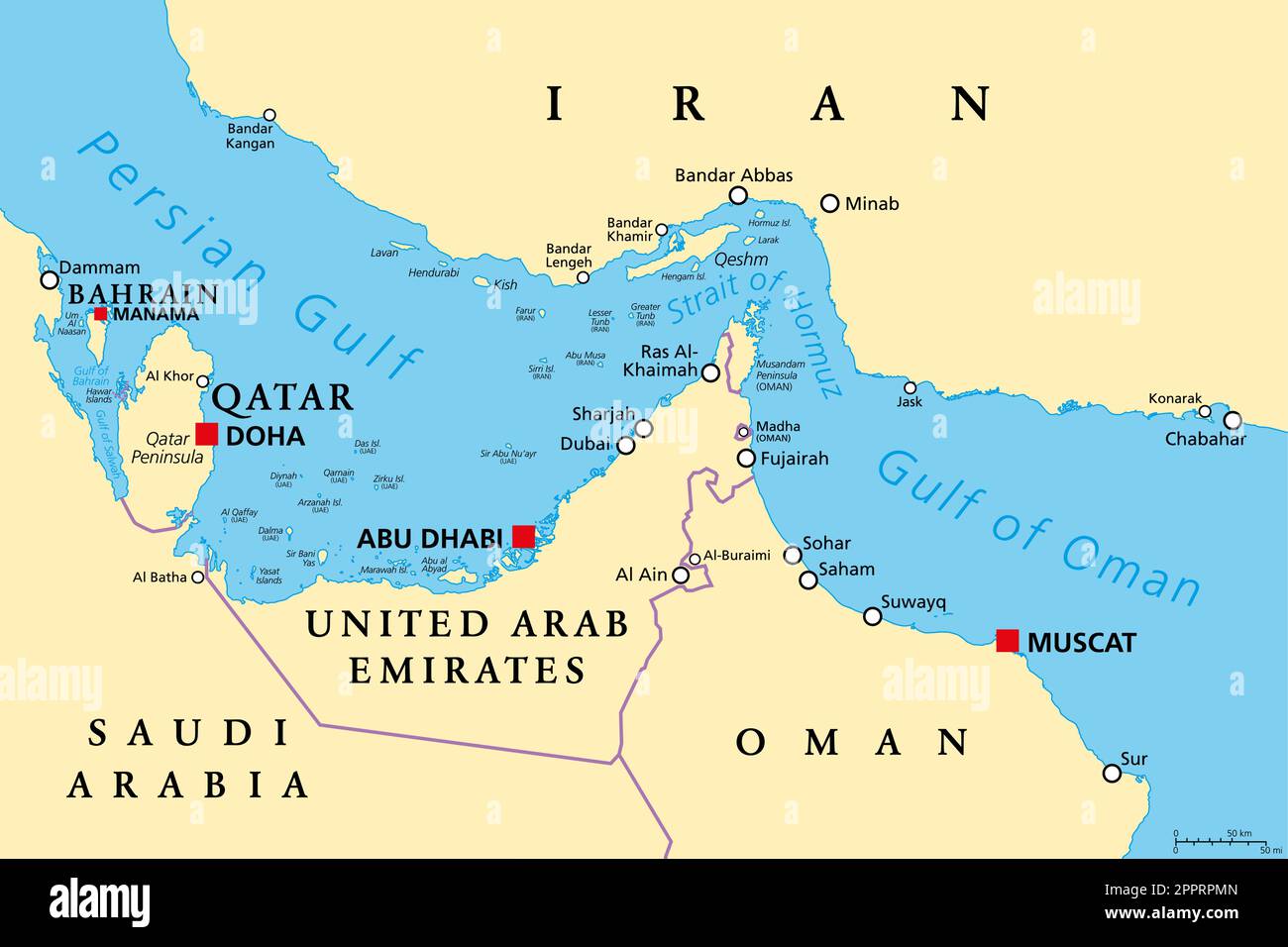
The Strait of Hormuz serves as a vital maritime choke point, as 25% of seaborne oil trade and 20% of the world’s liquefied natural gas passed through the waterway annually during 2023–2025. Its role as the sole sea passage from the Persian Gulf to the open ocean makes it a critical artery for energy supplies in Asia and Europe.
When the Strait of Hormuz closed in February 2026 due to the US–Israel war on Iran, the disruption cut off more than half of Southeast Asia’s crude oil imports. This closure triggered prolonged supply shortages for energy and its derivatives, leading to sharp price hikes for petrol, diesel, and liquefied natural gas across the region.
“Policymakers will need to look beyond the growth numbers to identify the crisis’s full impact, including its social and distributional costs,” wrote Jayant Menon, Visiting Senior Fellow at the ISEAS–Yusof Ishak Institute in Singapore. The article appears in East Asia Forum Quarterly, “Asia’s Middle East Problem”, Vol 18, No 4.
Keep reading

ASEAN Signs Digital Pact but Splits Into Rival US-China Tech Camps
ASEAN leaders signed the Digital Economy Framework Agreement on Nov. 14, but the bloc is splitting into rival...

Spaniards Vote in Snap Election as Polls Suggest Right-Wing Coalition Could Unseat Sánchez
Spaniards voted on Sunday in a snap general election dominated by housing costs and immigration, with polls suggesting...

East Asia Avoids 1980s Debt Crisis Repeat but Must Plan Subsidy Exits
East Asian economies face mounting pressure from skyrocketing energy prices sparked by the standoff between Washington and Tehran,...

Liberal-National Coalition Wins Victorian Majority, Ending 12-Year Labor Government
Ballot boxes in Bacchus Marsh sat outside pre-polling booths ahead of a Victorian state election that ended 12...