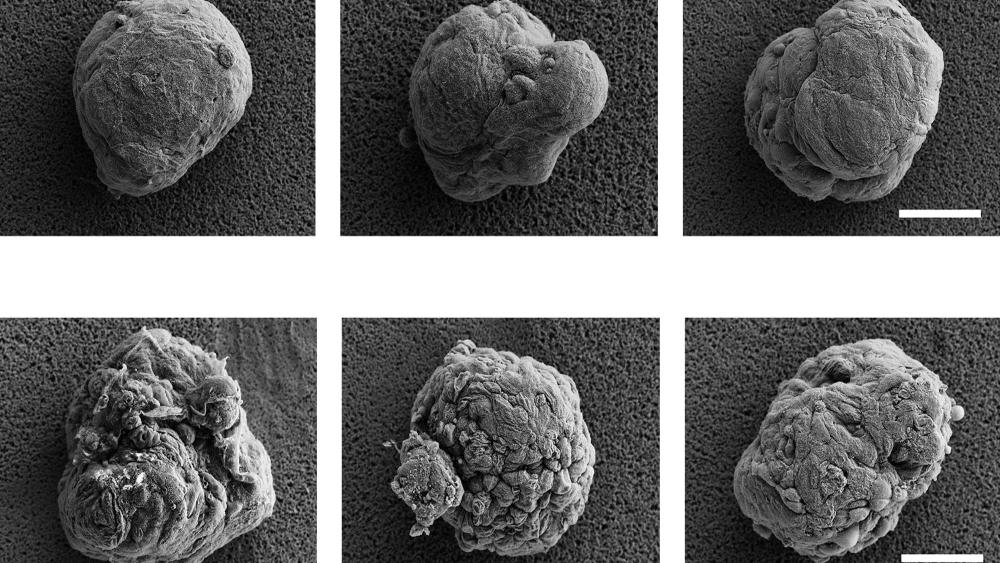
Researchers at Penn State have developed ultrathin hydrogel invisibility cloaks
to shield donor cell clusters from the immune system. Published in Nature Biomedical Engineering, the technique successfully restored healthy blood sugar levels in diabetic mice for over 100 days without continuous immunosuppressants, pointing toward side-effect-free cell therapies.
Cell therapy offers a promising frontier for treating complex conditions by introducing specialized cells to trigger chemical reactions or fight disease. In diabetes management, medical professionals focus on introducing healthy clusters of cells known as islets to release sugar-sustaining insulin into the body. While the U.S. Food and Drug Administration approved the first cell therapy treatment for diabetes in 2023, widespread clinical adoption faces a persistent biological hurdle. Donor islets are immediately recognized as foreign invaders, triggering aggressive attacks from the patient’s own immune system.
To combat this rejection, conventional medical protocols require patients to take powerful immunosuppressant drugs continuously. Unfortunately, those medications leave vulnerable patients exposed to serious complications, including elevated infection risks and significant side effects such as cancer. Solving this dilemma required engineers to rethink how therapeutic cells interact with foreign environments entirely.
Mimicking Human Egg Shells to Build a Cellular Shield
The breakthrough relies on a jelly-like hydrogel material engineered to replicate nature. A team led by Penn State researchers manufactured an ultrathin cell coating called the biomimetic zona pellucida, or BZP. This specialized layer mirrors the natural, protective protein coating found on the exterior of human egg cells.
According to project leaders, it took eight years of consistent development to formulate a hydrogel layer measuring just 20 micrometers thick. This precise structure is substantially thinner than a human hair, allowing it to conform snugly against the curved edges of living cell clusters without interfering with their biological functionality.
“Our body is amazing – by mimicking the natural, ultrathin coating formed by proteins on egg cells, we can fortify and cloak cells for therapeutic transplantation.”
Kyungsene Lee, first author on the paper and postdoc at Harvard Medical School
While hydrogel encapsulation has historically been studied across biomedical engineering, previous methodologies failed to replicate the ultrathin architecture and hardening mechanics characteristic of the natural zona pellucida.
Restoring Blood Sugar in Mice Without Immunosuppression
After confirming that the BZP coating was fully compatible with living biological materials, researchers tested the method on animal subjects. The team coated donor islets and transplanted them into a cohort of diabetic mice, tracking their physiological responses over a span of 100 days.
The results marked a sharp departure from standard outcomes. Untreated diabetic mice and those receiving conventional, uncoated islet transplants experienced rapid immune rejection. By contrast, mice receiving BZP-coated islets saw their blood sugar restored to healthy levels within a single week. Most importantly, these subjects remained diabetes-free for more than 100 days while operating entirely free of continuous systemic immunosuppressants.
Uncoated cell therapies typically maintain efficacy for barely a week or less in the absence of ongoing immune suppression. The hydrogel shield extended therapeutic longevity significantly by rendering the transplanted cells functionally invisible to hostile immune cells while remaining permeable enough to let therapeutic insulin molecules pass outward into the body.
Broad Biomedical Horizons and Future Clinical Path
Although the initial focus centered on diabetes, researchers emphasize that the platform technology holds expansive potential across regenerative medicine and immunology. The method was detailed in research supported by multiple federal programs, including awards from the National Institutes of Health’s National Heart, Lung and Blood Institute, the National Institute of Biomedical Imaging and Bioengineering, the National Institute of General Medical Sciences, and the Molecular Machines Mechanism and Structure Training Program.
The collaborative study reflects contributions from a broad institutional team at Penn State, involving faculty across biology, medicine, and engineering departments alongside student researchers. The findings establish a foundational proof of concept for shield-based cell delivery.
Long-Term Hurdles Prior to Human Application
Despite the promising laboratory milestones, clinical translation remains a distant horizon. Before the technology can benefit human patients, researchers must undertake extensive additional investigation, technical refinement, and eventually rigorous clinical trials.
The team’s immediate next steps involve mapping out the precise duration of resistance provided by individual islet transplants. Investigators are also working to verify whether commercial manufacturing processes can scale the delicate 20-micrometer coating consistently. Until human trials validate these safety and longevity metrics, the technique remains confined to preclinical research settings.
Global Study Links One in Eight Cancer Cases to Infections
An estimated 2.3 million new cancer cases worldwide in 2024—representing about 12 percent of all new diagnoses—were caused...
Study Examines Environmental Drivers for 32 Emerging Infectious Diseases
Researchers have tested for a general, detectable anthropogenic fingerprint on the geographic distribution of human outbreaks across 32...

USF Health Identifies Brain Circuit Regulating Metabolism in Response to Cold
USF Health researchers identified a previously unknown brain circuit in the hypothalamus that regulates metabolism and appetite in...
Gut Bacteria Changes May Predict Type 2 Diabetes Risk Before Blood Sugar Rises
Researchers analyzing data from over 200,000 adults in the UK and US have identified hundreds of gut bacteria...