
Mississippi Election Results and the Path to a Senate Seat
In a recent column published on LinkedIn, a longtime Mississippi political figure and former regional EPA administrator writes that the state’s narrow race for the United States Senate—featuring Democrat Scott Colom—was not a surprise to those familiar with the local landscape. The author, who has participated in Mississippi elections for over two decades, argues that the high turnout and voter resolve observed on Tuesday reflect a shift in priorities that has been building for years.
If the results hold, Colom would become the first Democrat elected to the Senate from Mississippi since 1982. The author describes spending Tuesday monitoring polling stations across North Mississippi, noting that despite forecasts of severe weather, voters remained in lines that stretched from 30 minutes to two hours. The author characterizes the atmosphere among voters as deliberate and calm, suggesting that many had determined their course of action well before arriving at the polls.
The Human Cost of Voter Participation
The column emphasizes that for many Mississippians, the act of voting is deeply tied to historical struggles and immediate economic concerns. The author points to the state’s legacy of civil rights challenges, from the 1964 Freedom Summer to the 1870 election of Hiram Revels as the nation’s first Black senator. Today, these historical tensions are compounded by contemporary issues, such as the 2022 water crisis in Jackson and the ongoing struggle for access to affordable healthcare.

The people in those lines came from every corner of Mississippi life. Students with backpacks. Young professionals. Workers coming straight off a shift. Nurses, farmers, teachers. Many looked under 30, and nobody was complaining.
The author argues that environmental justice is not merely a policy talking point in Mississippi but a reality measured by “the water bill, the asthma inhaler, and whether the hospital will be open when your baby spikes a fever at 2 a.m.” By framing Scott Colom’s platform—focused on lower costs, higher wages, and hospital stability—as an environmental and economic necessity, the author suggests that these issues resonated across traditional political lines.
Demographic Shifts and the Path Forward
With African Americans comprising approximately 35 percent of the Mississippi electorate—the largest share of any state—the author contends that the election results demonstrate the impact of organized voter registration and turnout efforts. Groups including churches, Black Greek-letter organizations, and local volunteers coordinated to ensure high participation, particularly in the face of what the author describes as significant systemic barriers.
The author addresses the skepticism regarding the state’s political direction, acknowledging that bias and racism remain prevalent. However, the piece argues that shared economic hardship—such as farmers losing crops or families struggling with healthcare costs—has led some voters to reconsider their traditional political affiliations. The author asserts that this shift is not about a sudden change in ideology but a pragmatic response to the challenges facing the state.

Next Steps for the Ballot Count
As the race remains tight, the author calls for patience, urging observers to “let the replay booth work.” The focus now turns to the verification of affidavit ballots. Voters who cast such ballots are encouraged to determine if any further steps are required to ensure their vote is counted, with a deadline set for November 10, 2026.
The author concludes by noting that while the state has waited a long time for political change, the commitment shown by voters standing in the rain on Tuesday signaled a determination to remain engaged in the process. The path forward, according to the column, depends on continued civic participation and the successful navigation of the post-election counting process.
Worth a look

OKC Tree Lighting Festival Kicks Off Downtown Holiday Season
Downtown Oklahoma City Prepares for 25th Annual Tree Lighting The holiday season in Oklahoma City officially begins next...

Columbus Restaurants and Breweries Honor Ohio State Football Legends on Menus
The Flavor of Football: How Columbus Menus Immortalize Buckeye Icons If you spend enough time in Columbus, you...

Gonzaga hosts New Mexico State in home opener after Purdue win
The transition from the bright lights of Las Vegas to the familiar floor of The Kennel is rarely...
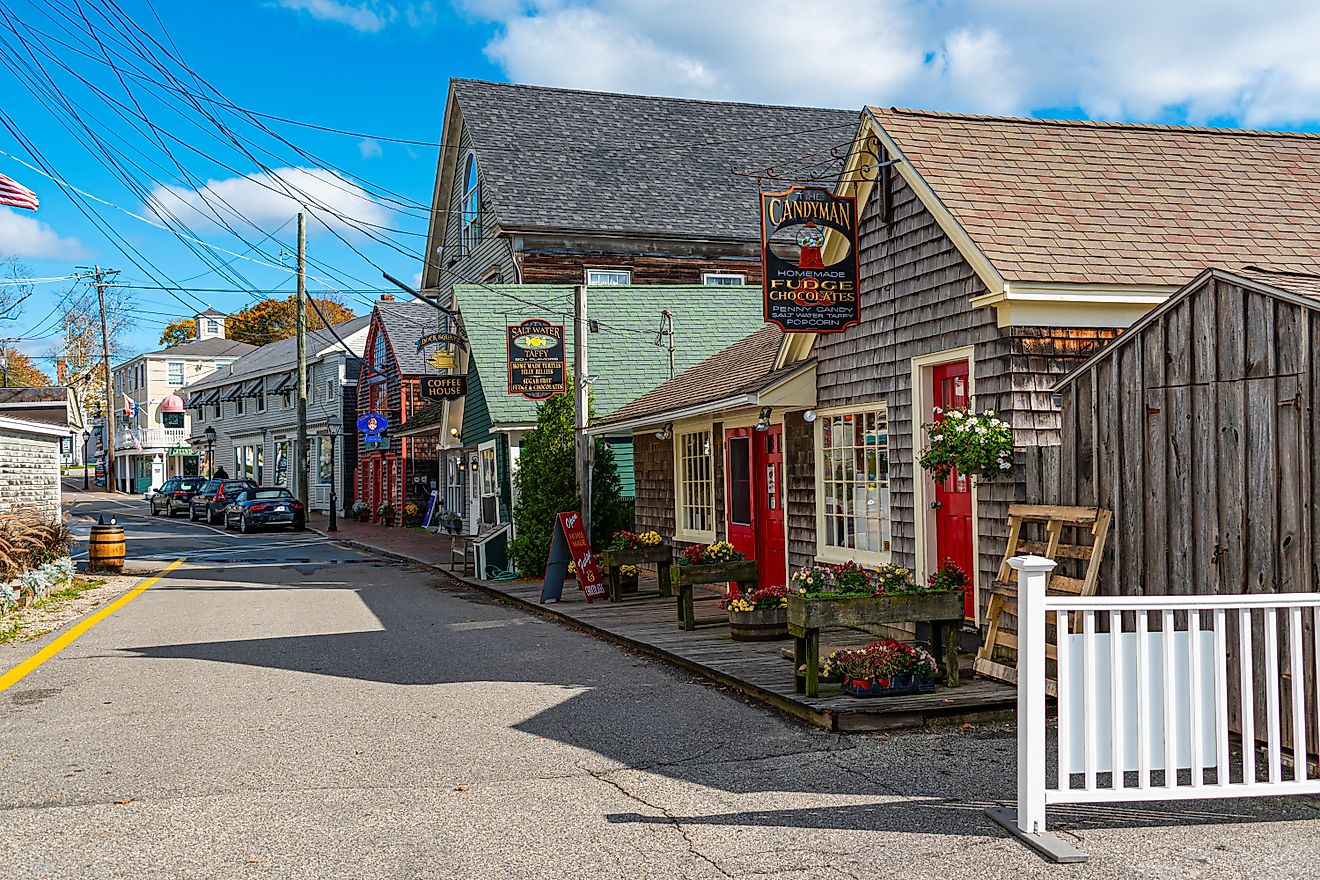
World Atlas identifies 9 New England towns essential to regional history
The Enduring Geography of New England’s Historic Towns New England’s identity is often measured not by its metropolitan...