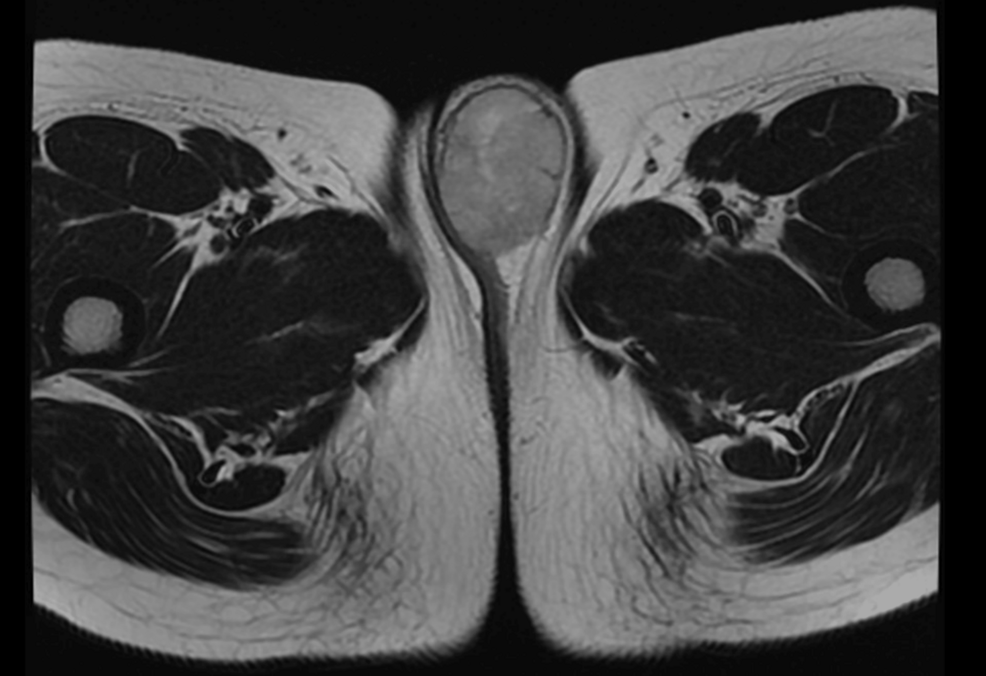
A woman who survived undifferentiated vulvar sarcoma as a teenager has had four successful pregnancies despite undergoing intensive chemotherapy and pelvic radiation therapy at age 15, Cureus reported.
The case study, detailed in a report published by Cureus, provides a rare look at reproductive outcomes for the childhood, adolescent, and young adult (C-AYA) cancer survivor population. This specific demographic often faces a difficult trade-off between life-saving oncological interventions and the long-term preservation of fertility. For this patient, the combination of high-dose alkylating agents and pelvic radiation created reproductive health challenges that spanned over 15 years.
The patient’s medical history began with a diagnosis of INI-1-negative undifferentiated vulvar sarcoma at age 15. To manage the malignancy, she underwent a regimen that included tumor excision, lymph node biopsy, and a total dose of 45 Gy of pelvic radiation therapy.
Her chemotherapy was equally intensive, consisting of nine cycles of vincristine, actinomycin D, and cyclophosphamide, followed by irinotecan and vincristine. The cumulative dose of cyclophosphamide reached 17.6 g/m², a figure that affects ovarian reserve.
Existing research into alkylating agents shows the biological impact of her treatment protocol. In a European case-control study involving 1,332 female C-AYA cancer survivors, a cyclophosphamide equivalent dose (CED) exceeding 7,121 mg/m² was linked to a higher risk of fertility impairment. The patient’s cumulative dose of 17,600 mg/m² placed her in a high-risk stratum, which the study associated with an odds ratio of 2.7 for fertility issues.
Radiation therapy introduces a different set of complications. While her estimated uterine radiation dose was approximately 15 Gy, even lower doses can alter the structural integrity of reproductive organs. A French cohort study of 1,159 female childhood cancer survivors said that higher uterine radiation doses were tied to adverse outcomes.
In pregnancies where women received a median uterine radiation dose exceeding 20 Gy, the combined rate of ectopic pregnancies, spontaneous abortions, and medically indicated terminations was 39%, compared to just 12% in the general population.
The patient’s reproductive journey was marked by these very risks, characterized by a mix of successful births and significant complications:
| Pregnancy Event | Age | Outcome/Complication |
|---|---|---|
| First Pregnancy | 25 | Preterm delivery (36 weeks); postpartum hemorrhage |
| Second Pregnancy | 27 | First-trimester miscarriage (10 weeks) |
| Third Pregnancy | 27 | Second-trimester miscarriage (19 weeks); placenta accreta suspicion |
| Fourth Pregnancy | 30 | Successful delivery (37 weeks) via vacuum extraction |
The patient’s third pregnancy highlighted the volatility of her reproductive health. After presenting at 17 weeks with cervical dilation and amniotic fluid sludge, the pregnancy ended in a miscarriage at 19 weeks. This episode was complicated by suspected placenta accreta and heavy postpartum bleeding, which eventually required uterine artery embolization to manage a pseudoaneurysm.
Her fourth pregnancy demonstrated the necessity of proactive, specialized obstetric care. Unlike her previous experiences, she sought care during the first trimester. This allowed medical teams to perform an elective prophylactic cervical cerclage—the Shirodkar procedure—at 12 weeks to address the high risk of cervical insufficiency. This intervention was successful in maintaining the pregnancy until 37 weeks, when she underwent an induced labor and vacuum extraction.
While the success of these pregnancies offers a degree of hope for survivors, the medical community remains cautious about the predictability of such outcomes. The patient’s ability to maintain regular menstruation after a single course of Kaufmann therapy was noted as a potentially uncommon recovery following such heavy treatment exposure.
The clinical data suggests that while survival is the primary goal, the subsequent “second life” of a cancer survivor requires a highly specialized, multi-disciplinary approach to manage the lasting anatomical and hormonal consequences of adolescent cancer treatment.
The patient’s two surviving children have both demonstrated normal growth and development.
- Protesters in Dublin Call for Peace in Ukraine and Less Military Spending
- ACC Launches ADVANCE-ASCVD to Improve Cardiovascular Prevention
- Alaska Nanooks Head to Hawaii Following Davis Crilly’s GNAC Honors (archyde.com)
- Jensen Huang resigns as Nvidia CEO following alleged Chinese spy affair (newsarchyuk.com)

Protesters in Dublin Call for Peace in Ukraine and Less Military Spending
Protesters in Dublin called for an end to military spending and a push for peace in Ukraine on...

ACC Launches ADVANCE-ASCVD to Improve Cardiovascular Prevention
The American College of Cardiology (ACC) has launched a new initiative called ADVANCE-ASCVD to reduce atherosclerotic cardiovascular disease...

Delhi Govt Inaugurates 11-km Chhath Ghat at Munak Canal
Delhi officials inaugurated an 11-km-long Chhath ghat along the Munak Canal on Thursday to accommodate thousands of devotees...

Study Shows Stable Motor Function for 13 Weeks in ALS Cell Therapy Trial
Motor function scores remained stable for 13 weeks in a small group of patients receiving bone marrow-derived cell...