
Motor function scores remained stable for 13 weeks in a small group of patients receiving bone marrow-derived cell therapy for sporadic ALS, according to a study published in the Journal of Clinical Medicine.
The research, led by Monika Gołąb-Janowska, MD, of Pomeranian Medical University in Szczecin, Poland, focused on the use of intrathecal autologous bone marrow-derived lineage-negative (LIN−) cells. The study assessed 45 patients with sporadic ALS, with 42 receiving three administrations of the cells at six-week intervals.
While the results offer a glimpse into potential benefits for quality of life and survival, the researchers emphasized that these findings are exploratory. A controlled, masked trial is still required to determine if LIN− cells can effectively treat the disease, DocWireNews reported.
Among the 23 patients who completed the full 24-week assessment schedule, the Norris scale scores—a metric used to measure the resolution of motor deficits—showed a period of stability before declining at week 13. This initial plateau suggested a temporary improvement in motor function for those with milder baseline disease.
The study also tracked the Amyotrophic Lateral Sclerosis Assessment Questionnaire 40 (ALSAQ-40), which measures specific domains such as physical mobility, communication, eating and drinking, and emotional reactions. In the 23 patients who completed the study, these scores followed a similar pattern of stability followed by decline, with a P-value of 0.0019.
However, the data revealed a distinction between those with milder symptoms and the broader participant group. For all 42 treated patients, Norris scores fell by an average of 0.95 points per month.
The ALS Functional Rating Scale—Revised (ALSFRS-R), which serves as the standard efficacy measure in most ALS clinical trials, showed a decline of 0.5 points per month throughout the study period for the 23 completers.
Researchers noted they could not establish dose-related differences in quality of life due to a baseline imbalance among the participants. This imbalance makes it difficult to determine if higher doses of the LIN− cells yielded superior results compared to lower doses.
One of the more notable observations in the study was the lack of recorded adverse events. This suggests that the administration of intrathecal autologous bone marrow-derived cells is a feasible approach for patients with sporadic ALS, though the researchers said that harms were not systematically graded.
The medical community views these results with cautious optimism, as the search for disease-modifying therapies for ALS remains a primary focus for neurodegenerative research. Because ALS is a progressive disease that affects nerve cells in the brain and spinal cord, any intervention that can successfully plateau functional decline represents a major achievement.
Despite the encouraging stability seen in the first 13 weeks for certain patients, the underlying progression of the disease was still evident in the monthly decline of functional scores. The study’s primary limitation remains its exploratory nature, as it lacks the rigorous controls of a larger-scale, double-blinded study.
The next step for this line of research involves moving toward a controlled, masked trial to provide definitive evidence of efficacy.
Worth a look

Indonesia Weighs Diplomatic Shift as Trump Faces Congressional Losses
President Donald Trump is approaching the midpoint of his second term following a major electoral defeat that cost...
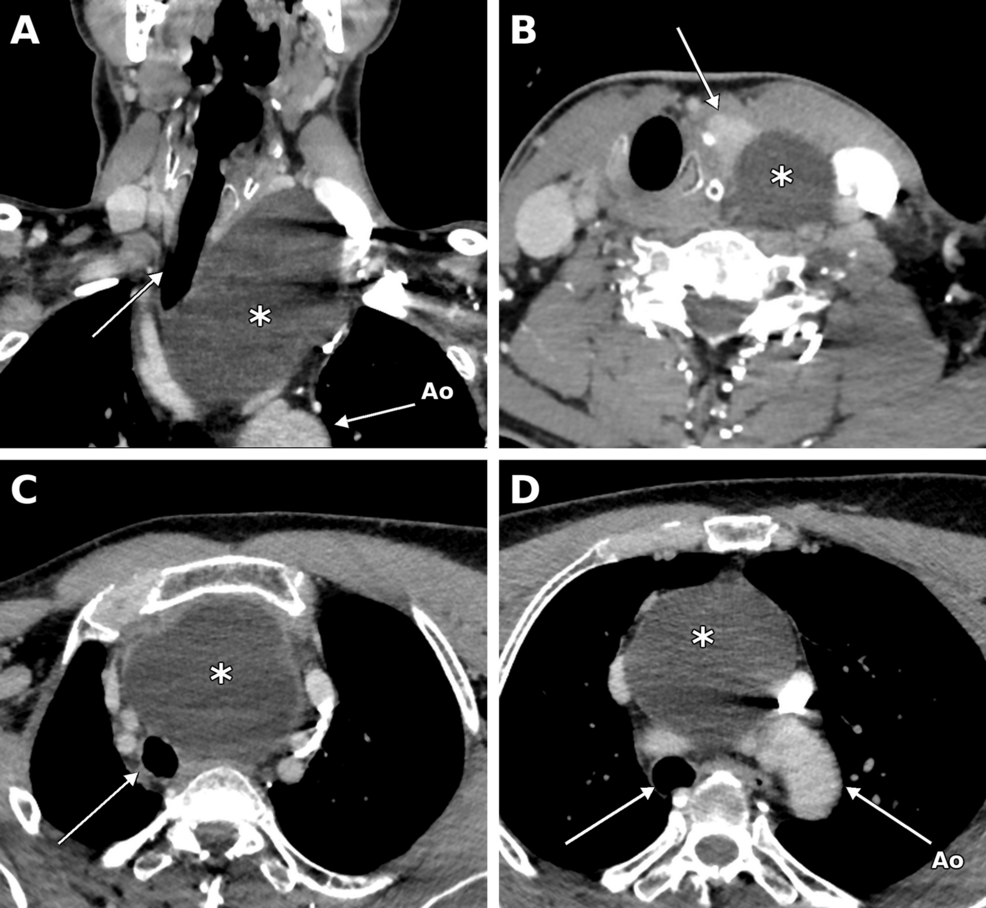
Giant Cervicomediastinal Thyroglossal Duct Cyst Mimicking a Parathyroid Cyst: A Case Report
An 11-centimeter cyst, stretching from the neck down to the aortic arch, was successfully removed from a 59-year-old...

Rare MYOF Genetic Variant Linked to Angioedema With Normal C1-INH Levels
A rare genetic variant in the MYOF gene may explain why a 51-year-old woman suffered from recurring angioedema...

Educators and Students Rally Against Pax Silica Initiative
Teachers, professors, and students gathered at the Bantayog ng mga Bayani in Quezon City on Thursday to voice...