
Three historic cabins at the Lewis and Clark Interpretive Center in Hartford burned down Wednesday after a prescribed fire set by the U.S. Army Corps of Engineers jumped its lines, FOX 2 reported.
The loss erases a chunk of the riverfront site where the Corps of Discovery wintered in 1803–04, and it happened on the Corps’ own watch. Firefighters from Hartford, Roxana and South Roxana contained the blaze to those three structures and saved two others, the Hartford Fire Department said. No one was hurt.
“Crews were able to contain the fire to three cabins and save two others from damage,” the Hartford Fire Department said in its statement.
The burn began around 1 p.m. Wednesday, November 18, as a routine management tool for the prairie and woodland around the center. By the time the first engine arrived, wind had pushed flames into the cluster of replica cabins that sit just off Illinois Route 3.
Hartford firefighters stayed on scene through the afternoon; Roxana and South Roxana crews were released early but South Roxana returned late in the day to help with overhaul, according to the Metro East Star. The fire was declared fully out at 7 p.m. after six hours of work.

Prescribed fire is a standard, science-backed practice across the Midwest. The Corps uses it to reduce fuel loads, control invasive species and promote native grasses. But the window for safe burning is narrow — humidity, wind speed and fuel moisture all have to align — and the margin for error vanishes when historic structures sit inside the burn unit.
The interpretive center, operated by the Corps’ St. Louis District, marks the spot where Meriwether Lewis and William Clark established Camp River Dubois before launching the expedition that opened the American West. The cabins lost Wednesday were modern reconstructions built to interpret that winter encampment. Their replacement cost and the timeline for rebuilding have not been released.
The United States Army Corps of Engineers, which manages the interpretive center through its St. Louis District, traces its origins to a 1775 Continental Congress resolution creating a chief engineer for the Army.
The modern corps was established on March 16, 1802, with a mandate to station at West Point and constitute a military academy. Today it employs roughly 37,000 civilian and military personnel, about 97 percent civilian, and operates one of the world’s largest public engineering and construction management agencies.
Fire officials thanked all responding agencies for their assistance in bringing the incident under control.
Keep reading
- Sydney Snatch Caylen Murray at Pick 9 After Brisbane Fall Three Points Short
- Lions DC Kelvin Sheppard ‘Fired Up’ by Jack Campbell Text Before Patriots Win
- RBA's Fifth Hike Adds About A$94 a Month on A$600,000; Three Voted to Hold (daybreakwire.com)
- Trump wraps up historic summit with Xi and Putin addressing Ukraine and nuclear issues (newsarchyuk.com)

Sydney Snatch Caylen Murray at Pick 9 After Brisbane Fall Three Points Short
Sydney bid three points more than Brisbane could match, snatching academy product Caylen Murray at pick No.9 on...

Lions DC Kelvin Sheppard ‘Fired Up’ by Jack Campbell Text Before Patriots Win
Detroit Lions defensive coordinator Kelvin Sheppard said Thursday that linebacker Jack Campbell texted him on game day in...
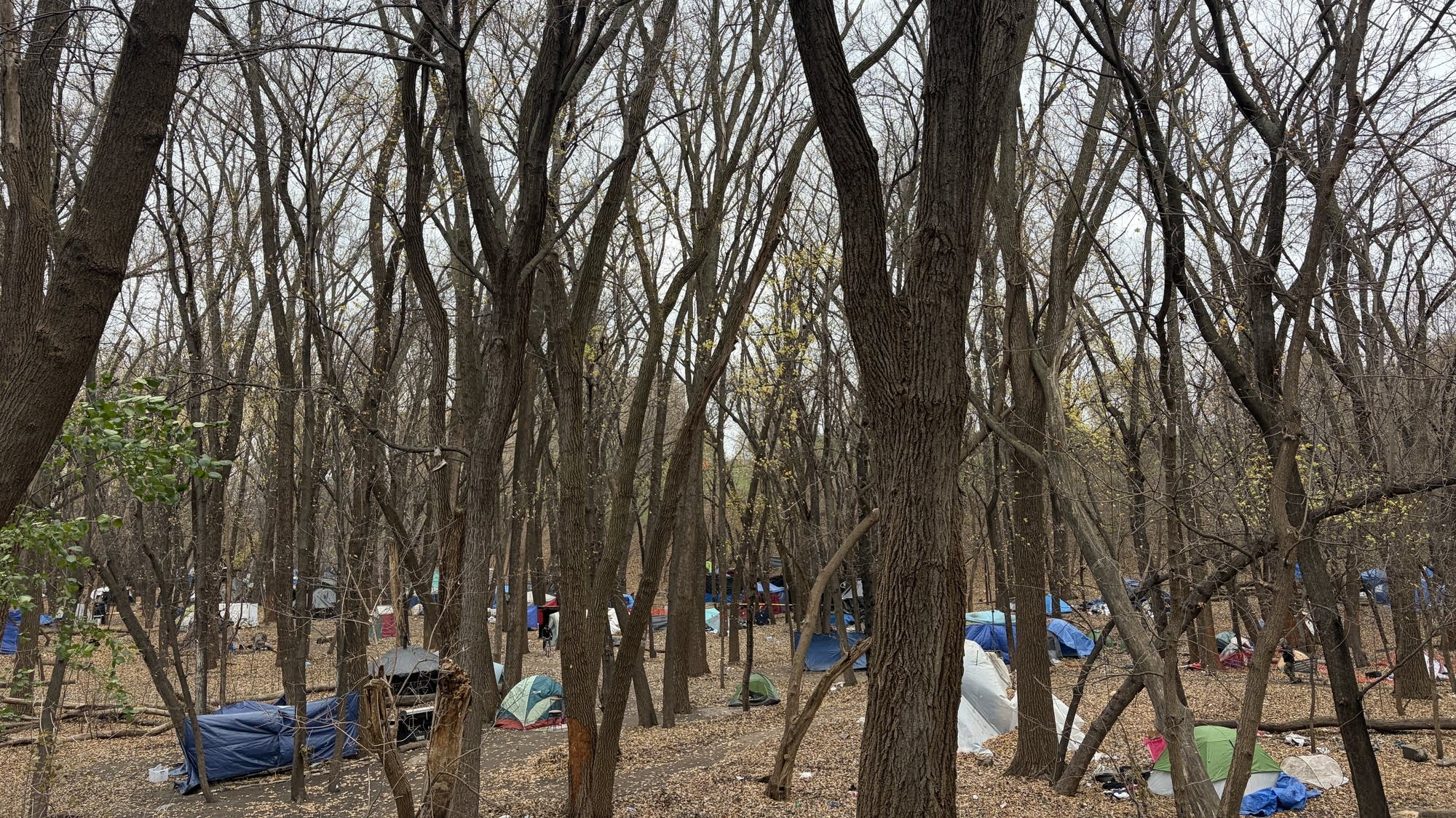
St. Paul Mayor Announces Dec. 8 and Dec. 15 Closures for Two Homeless Encampments
St. Paul Mayor Kaohly Her announced Thursday that the city will clear its two remaining large homeless encampments...

East Providence Resident Gets Rabies Treatment After Attack; RI Sees 48 Rabid Animals in 2026
Rhode Island has confirmed 48 rabid animals so far in 2026, nearly doubling the five-year annual average of...