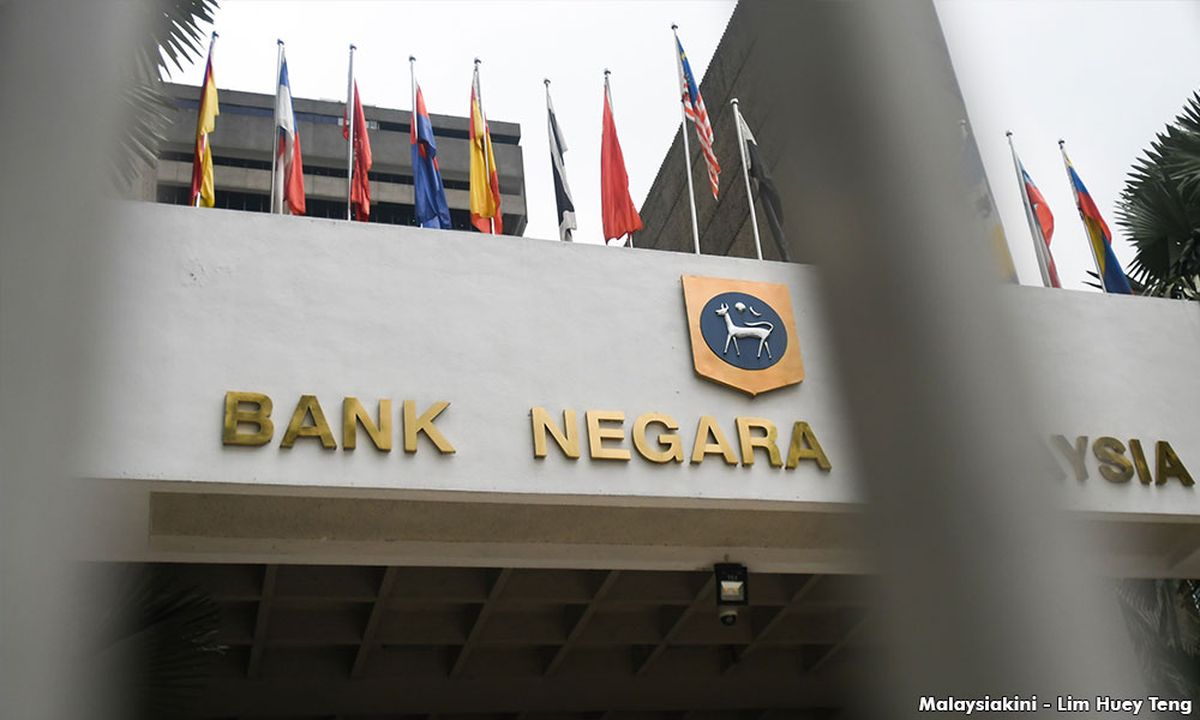
Malaysia is reviewing a massive trove of leaked internal Deutsche Bank documents that allegedly show the German lender ignored its own red flags to move millions of dollars for the fugitive financier at the center of the 1MDB scandal, the chairman of the country’s asset recovery task force said Wednesday.
The review centers on at least 24 transactions worth €172.98 million — roughly US$190 million — processed through Deutsche Bank’s correspondent banking services for Low Taek Jho, better known as Jho Low, Malaysiakini reported.
The portal cited more than 15 million files from the “Inside Deutsche Bank” investigation dating to the early 2010s. According to the leaked files, the bank continued processing transfers linked to Low in 2015 even after filing its own suspicious activity reports.
The Regulatory Blind Spot
The revelations have triggered a fierce debate in Malaysia over the role of domestic regulators. Bank Negara Malaysia (BNM) said this week it “will not hesitate to act” if breaches are found, but subscribers writing to Malaysiakini asked where the central bank was when the money was moving.
“Deutsche Bank’s own reviews reportedly flagged gaps in how it reported cross-border transactions linked to 1MDB,” one commenter, Iv4n, wrote. “So what did Bank Negara actually see at the time, and what was missing from the reports it received?”
Another subscriber, Knucklehead2, framed the issue as a systemic failure: “The truly disturbing part is that such issues often come to light through leaked documents, foreign investigations, whistleblowers, and investigative journalists, rather than discoveries publicly announced by our own regulators.”
The criticism extends beyond the central bank. Commenter DonGetMeWrong pointed to a string of domestic scandals — Tabung Haji, Felda, the Armed Forces Fund Board — arguing that regulatory accountability “must apply across the board, not just to foreign banks.”
Task Force Reviews Leaked Information as Deutsche Bank Case Proceeds
Johari Abdul Ghani, chairman of the 1MDB Asset Recovery Task Force, told Reuters that the task force and 1MDB’s legal team are now studying the leaked information. He called it “premature” to comment on Malaysia’s position while the court case against Deutsche Bank is ongoing.
“Malaysia has pursued, and will continue to pursue, action against international banks which we believe failed to carry out proper customer due diligence checks in relation to the movement of 1MDB funds by Low, his associates and/or proxies,” Johari told Reuters.
1MDB sued Deutsche Bank and other financial firms in 2021 seeking to recover billions. The two sides are currently in settlement talks, though Deutsche Bank has signaled it views its liability differently from other defendants. A bank spokesperson told Reuters the lender “has cooperated fully with regulatory and law enforcement authorities” and “has not been subject to any regulatory penalty or sanction arising from 1MDB.”
The bank also leaned on U.S. Department of Justice asset forfeiture complaints, which allege that “1MDB made material misrepresentations and omissions to Deutsche Bank officials in connection with 1MDB’s transactions with the bank.”
The Credibility Gap
The leaked files arrive at a politically sensitive moment. Former Prime Minister Najib Abdul Razak, convicted in connection with 1MDB, was moved from prison to house arrest this year after receiving a partial pardon. That decision, combined with the perception that foreign banks are offering low settlement figures, has damaged Malaysia’s bargaining posture, subscribers argue.
“A country is not lowballed because it lacks resources, talent, or opportunities,” wrote commenter BlueFish0451. “It is lowballed when it repeatedly gives the impression that accountability is negotiable.”
CitizenAli credited the Asset Recovery Task Force — headed by the attorney-general and the Malaysian Anti-Corruption Commission — with recovering roughly 70 percent of the misappropriated assets, or RM31 billion. “This is no small feat,” the commenter wrote, “and the efforts of former MACC chief commissioner Azam Baki and his team deserve recognition.”
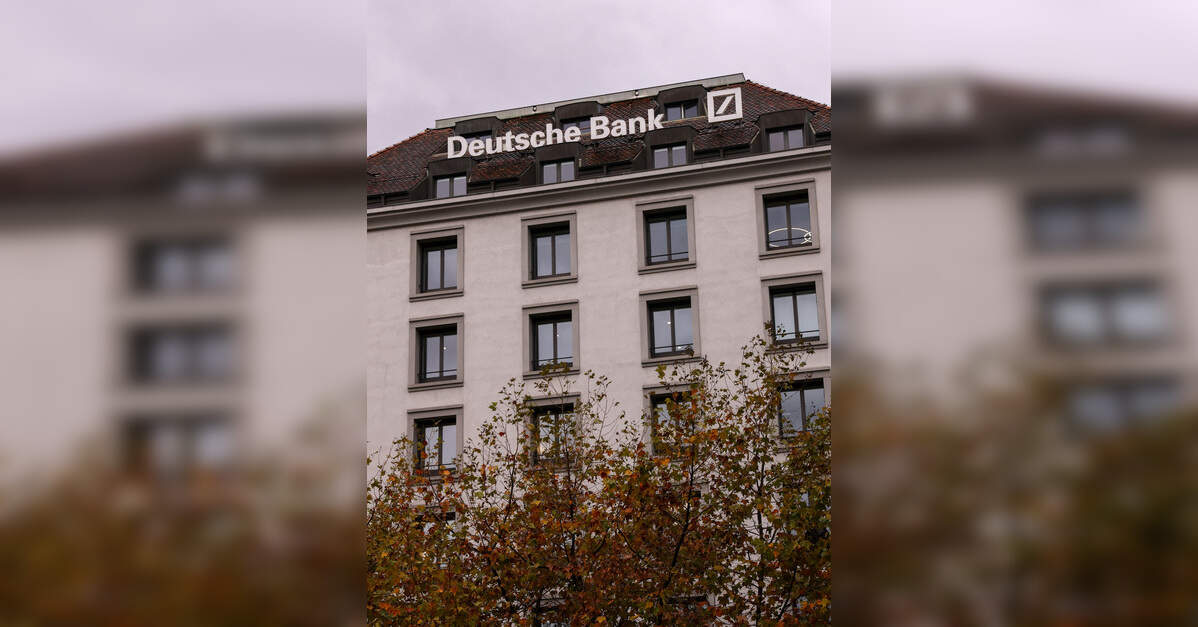
Deutsche Bank, founded in Berlin in 1870 to finance German foreign trade, built its early reputation on linking Germany to overseas markets, opening its first Asian offices in Shanghai and Yokohama in 1872 and London in 1873. By 2018 its network spanned 58 countries, and it has been designated a global systemically important bank since 2011, making it one of the world’s most closely watched financial institutions.
Yet the core question remains unanswered: whether Malaysia’s own financial gatekeepers saw the same red flags Deutsche Bank’s internal compliance teams reportedly documented, and if they did, why the money kept moving. Reuters was unable to independently verify the leaked documents. Low has previously denied wrongdoing; his whereabouts remain unknown.
Worth a look
Egypt Lost 85,734 Households From Its Main Welfare Rolls Between 2024 and 2026 Even
Egypt lost 85,734 households from its main welfare rolls between 2024 and 2026 even as the European Union...

Mossad Chief Gofman Lobbies US Officials for Joint Iran Strikes, Reports Say
"The president, however, has all options at his disposal to ensure that Iran never gets a nuclear weapon,"...
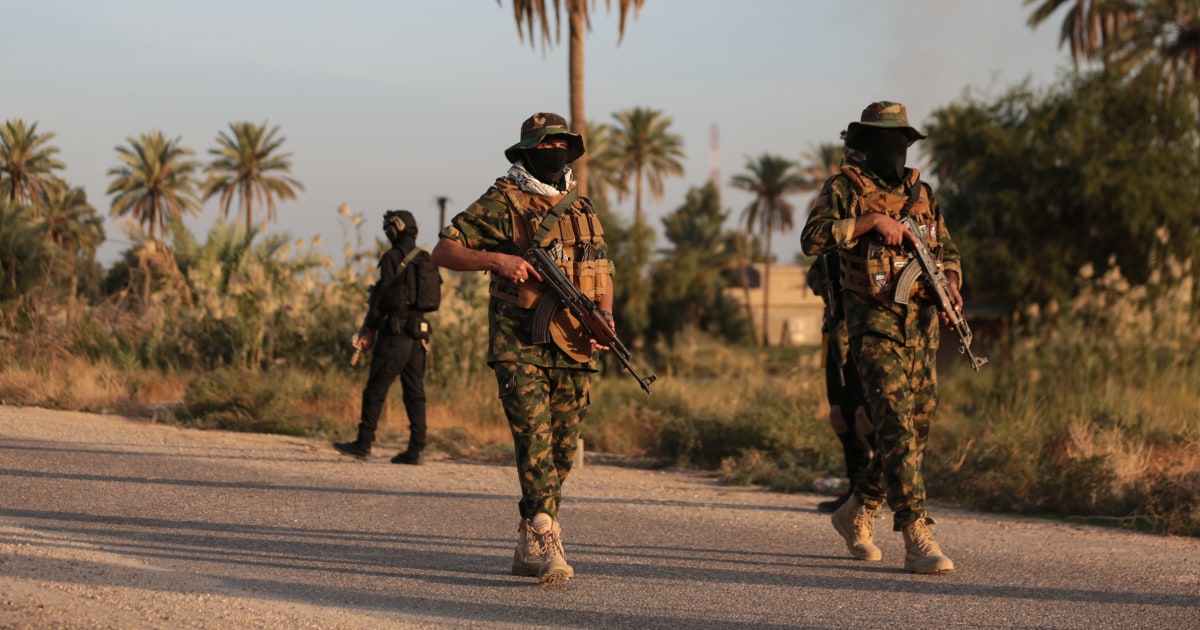
Iraq Reaches Compromise With Kataib Hezbollah to Avert Clash Over Oil Stronghold
Iraq's government and its most powerful Iran-backed militia stepped back from the brink of armed conflict Thursday, striking...

US Imposes Sweeping Financial Sanctions on Comanchero Gang and NZ Leaders
The United States Treasury Department imposed sweeping financial sanctions Thursday on the Comanchero outlaw motorcycle gang and the...