
“It’s actually a lawsuit that has a very decent probability of success,” said Dane Ciolino, a law professor at Loyola University, assessing the class-action challenge filed Wednesday, November 18th, in federal court in Washington, D.C.
The suit, led by the National Center for Law and Economic Justice, targets waivers granted to 18 states — including Louisiana, Arkansas, Florida, Hawaii, Idaho, Indiana, Kansas, Missouri, Montana, Nevada, North Dakota, Ohio, Oklahoma, South Carolina, Texas, Utah, Virginia and Wyoming — that let them bar Supplemental Nutrition Assistance Program recipients from buying soda, candy, energy drinks and other items the states label unhealthy.
A similar case in the same district court already struck down identical waivers for five other states, ruling the U.S. Department of Agriculture exceeded its authority and skipped required public notice.
That precedent matters. The earlier decision said the waiver statute lets states improve how benefits are delivered, not rewrite what counts as food to chase public-health goals. USDA approved the newer waivers anyway. “The court in D.C. also said the USDA had missed a step by not going through the public notice procedures before launching that type of project,” Ciolino said.
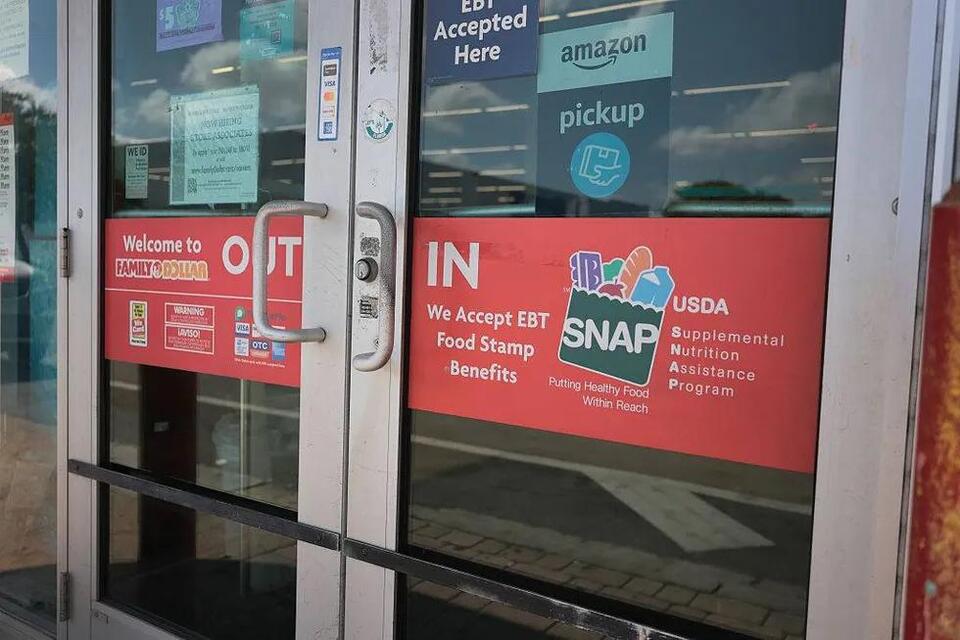
“These unlawful waivers serve as a backdoor method to restrict access to SNAP,” said Katharine Deabler-Meadows, senior attorney at the National Center for Law and Economic Justice, in a release Wednesday. “Our lawsuit seeks to hold the Trump administration accountable for violating the law and causing unprecedented chaos for SNAP recipients and retailers alike.”
The plaintiffs argue the restrictions hurt people the program is meant to help. One Idaho recipient with autoimmune conditions said electrolyte drinks and nutrition bars she relies on to manage blood pressure and blood sugar are now blocked; she has been dehydrated more often and her kidney function has worsened since the waiver took effect, the complaint states.
An Oklahoma plaintiff living in an extended-stay hotel without a kitchen said she uses soda to relieve gastric pressure from a gastrointestinal disorder, but the drink is now prohibited under Oklahoma’s waiver, according to Stateline reporting.
Waiver details vary. Hawaii bars only soft drinks. Florida blocks soda, energy drinks, candy and prepared desserts. Idaho’s list includes electrolyte beverages and granola bars. The federal government says the limits steer taxpayer dollars away from products that fuel diabetes and chronic disease.
“These waivers help put real food back at the center of the program and empower states to lead the charge in protecting public health,” Health and Human Services Secretary Robert F. Kennedy Jr. said in a statement last year.
Critics counter that many recipients live in food deserts where fresh options are scarce, and that the rules strip autonomy from people best positioned to manage their own dietary needs. The lawsuit asserts USDA lacks legal authority to use waivers for structural changes to SNAP’s definition of food. USDA said the department does not comment on pending litigation.
Ciolino warned the D.C. Court of Appeals could reverse the district court’s earlier ruling. Even if the government loses, he noted, USDA could design new pilot projects that follow the statute, or Congress could amend the definition of “food” to exclude sugary products outright.
The development of Loyola University is marked by significant growth, including establishing professional schools such as law in 1908 and medicine in 1909. Founded by the Society of Jesus in 1870, the institution has five campuses, one of which is in Rome, opened in 1962.
Notably, Loyola won the 1963 NCAA men’s basketball championship, making it the only school from Illinois to achieve this. Furthermore, the university legally separated from the Jesuits in 1970, coming under lay control.
The case was filed Nov. 18 in the U.S. District Court for the District of Columbia.
Worth a look
Vermont Grant Expands Rural Cancer Prevention And Screening Services
“Early detection can change the course of a person’s cancer experience, but screening only works if people can...
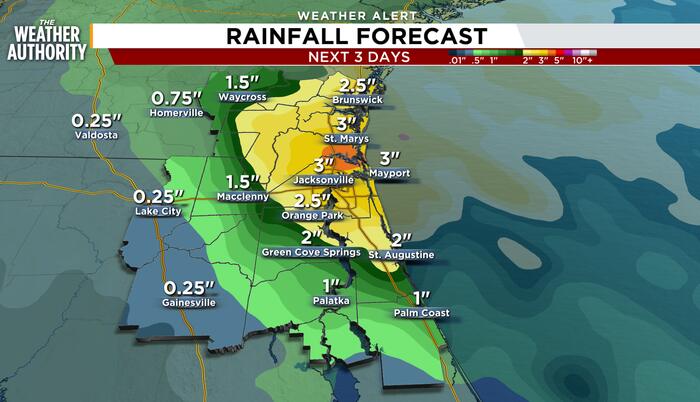
2 to 4 Inches of Rain Possible Through Saturday in SE Georgia, News4JAX
Rain-soaked communities along the I-95 corridor from St. Augustine to Brunswick, Georgia, face another 2 to 4 inches...
Milwaukee Judge Criticizes Evers Over Commutations During Zollicoffer Sentencing
Milwaukee County Judge David Borowski sentenced Thomas Seville Zollicoffer to three life terms without release and warned that...

No. 13 Iowa at Illinois: Time, TV Channel, Odds
No. 13 Iowa travels to Champaign on Saturday for a 1:30 p.m. CT kickoff against Illinois at Gies...