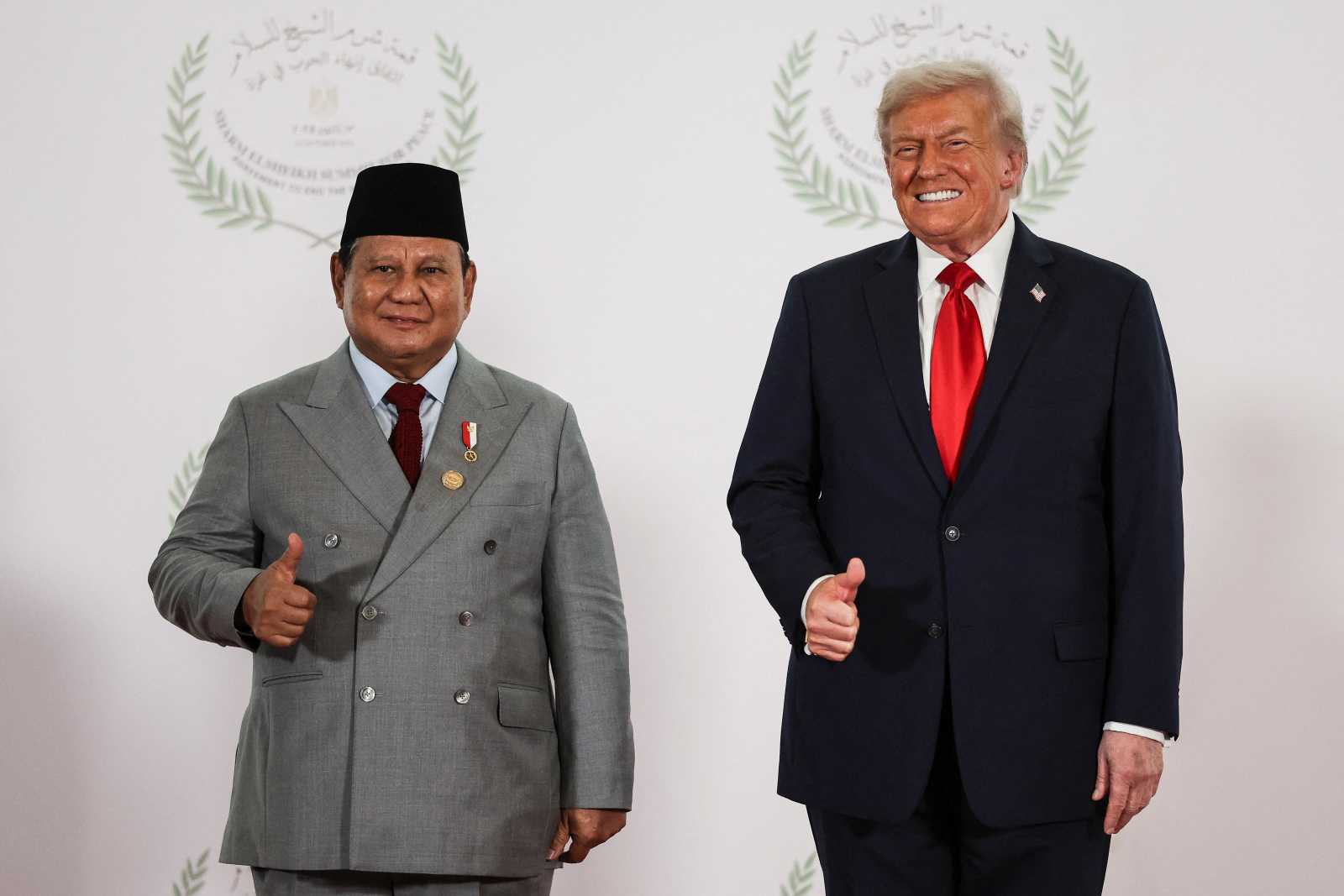
Democracies must keep a check on leaders’ conflicts of interest as US institutions fail to handle executive corruption during the Trump era. According to a report by development and cooperation publication dandc.eu, Trump’s crypto company, World Liberty Financial, drew immediate international scrutiny when a firm close to the government of the United Arab Emirates purchased a 49% stake in January 2025, just before his second inauguration. Months later, the new administration authorized computer chip sales to the UAE despite underlying security concerns.
International media outlets documented that Trump’s revenue from various cryptocurrency ventures reached at least $1.4 billion over the course of 2025. Concurrently, the valuation of those digital assets declined steeply, leaving retail buyers with an estimated collective loss of about $3.8 billion.
Despite the scale of these transactions, public attention quickly faded from the headlines. Mainstream news organizations frequently overlook individual instances of executive conflicts unless they spark widespread public outrage.
Global Business Ventures Trigger Protests and Governance Crises Abroad
Attempts by foreign governments and global organizations to secure favor through lucrative business arrangements with Trump’s clan have repeatedly backfired. In Albania, the government sparked major street protests in early 2026 by agreeing to let Kushner develop a tourist resort inside a protected nature reserve that serves as a critical flamingo habitat. The project mobilized young Albanians who felt economically neglected by local authorities, with protests escalating significantly by October.
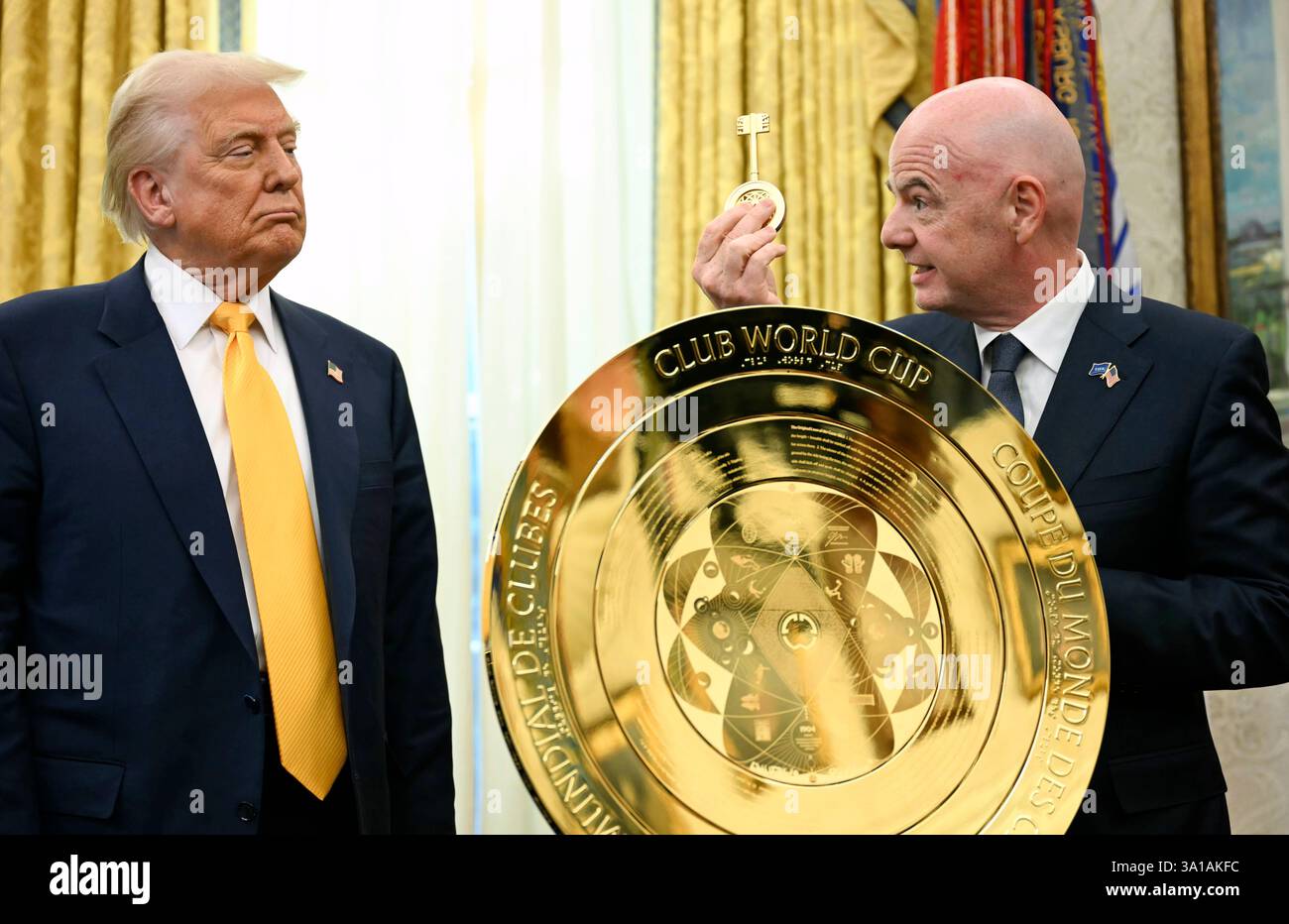
A parallel controversy engulfed Gianni Infantino, the president of the world football association FIFA. Infantino sought to sell a stake in future World Cups to Kushner’s brother Joshua and other private investors. That proposal triggered fierce pushback from national football federations, who argued the transaction directly threatens their existing business models and jeopardizes Infantino’s tenure.
Traditional definitions of corruption center on the generation of private benefits from public office. Because the temptation to exploit state power remains a constant across political systems, functional democracies rely on robust institutional checks to manage leaders’ financial entanglements. In the United States, however, those structural safeguards have eroded significantly.
The Erosion of Institutional Safeguards and the 2026 Midterm Landscape
Legal analysts point to the Supreme Court’s 2024 ruling granting the president immunity for all official acts as a foundational turning point. That judicial shift was followed by the Republican-dominated Senate’s confirmation of Trump’s personal lawyer, Todd Blanche, as the nation’s attorney general. While the attorney general’s office is mandated to operate independently of the White House to uphold the rule of law, Blanche’s priority is evidently to please the president.
As these controversies accumulate, the long-term tolerance of the American electorate remains the central political variable. Democratic lawmakers have increasingly seized upon the issue as a potent campaign message. In Georgia, Senator Jon Ossoff has made executive accountability a centerpiece of his re-election bid. His current lead in state polling suggests the message is resonating deeply with voters, prompting national Democratic strategists to recalibrate their approaches ahead of the mid-term elections.
Related reading
- SMU Creates Master of Public Governance and Leadership for Asia
- North Korea Fires short-range ballistic missiles, South Korea says
- Trump's Beef Quota Filled About 37% in Month One; Ground Beef Fell 13 Cents (daybreakwire.com)
- Shionogi Divests Chinese Generic Drug Business to Zhejiang Gaozhi (archyde.com)

SMU Creates Master of Public Governance and Leadership for Asia
Singapore Management University announced the creation of a new master's degree aimed at training public leaders to manage...

North Korea Fires short-range ballistic missiles, South Korea says
North Korea fired a barrage of about 10 short-range ballistic missiles off its eastern coast into the Sea...

Outcry after Call of Duty maker uses real footage of deadly Seoul crowd crush in new video game
Bereaved families in South Korea have demanded that Activision remove real, seconds-long broadcast footage of the devastating 2022...

Contiki Overhauls Brand Identity to Target Gen Z Wellness Trends
Contiki is launching a major brand identity overhaul to align with Gen Z's preference for wellness and local...