
When the final assessment of Ireland’s pandemic response lands on government desks later this year, it will carry the weight of thousands of public submissions and months of high-level closed-door testimony. The independent review examining how Ireland navigated the Covid-19 crisis remains on track to deliver its final report by the end of the year.
Inside the Independent Evaluation and the Decision-Makers Examined
Set up by the Government in late 2024, the non-statutory review is chaired by Professor Anne Scott, who leads a team of experts tasked with untangling the complexities behind Ireland’s pandemic trajectory. Over the past several months, the evaluation panel has conducted interviews with the architects of the state’s response. The roster includes Taoiseach Micheál Martin, former taoiseach Leo Varadkar, former Chief Medical Officer Dr Tony Holohan, and key figures from the National Public Health Emergency Team (NPHET).
The panel also met with Tánaiste Simon Harris in connection with his tenure as health minister during the earliest days of the crisis, alongside former health minister Stephen Donnelly, current and former Health Service Executive (HSE) personnel, and former secretary general to the Government Martin Fraser. According to the evaluation panel, these sessions provided vital insights into the trade-offs that shaped public health mandates between March 2020 and February 2022—a two-year span that saw over 1.7 million confirmed cases and more than 9,600 reported deaths in Ireland.
Rethinking Scientific Advice and Political Authority
As the review enters its final stretch, the evaluation hosted a live-streamed public debate featuring risk and behavioral experts to dissect how future national emergencies should be managed. Professor Pete Lunn, head of the Economic and Social Research Institute (ESRI) Behavioural Research Unit, argued that future crises require a fundamental shift in how scientific counsel reaches elected leaders.
For any future pandemic, the question must be asked whether it makes sense for ministers in government to be presented with a situation whereby science says you should make this decision. That is the wrong approach and scientists should lay out the options and present the evidence and not tell politicians what to do.
Joining Lunn at the roundtable were Dr Caroline McMullan, architect of the National Risk Assessment for Ireland, and Lucy Easthope, professor in practice of risk and hazard at Durham University. Professor Scott noted that the evaluation has sifted through thousands of pages of submissions from government departments and agencies, examining the evolution of decision-making and the evidence underpinning it.
The Human Toll and the Focus on Long-Term Care
Beyond high-level political strategy, the review dedicates a specific module to long-term residential care and the families of those who died during the outbreak. Professor Scott emphasized that many bereaved families and members of the public still carry significant grief and trauma. The panel will soon publish two consultation reports detailing these lived experiences, capturing the human cost behind the macro-level economic and societal restrictions.
While the review wraps up its engagement process, Covid-19 continues to circulate throughout the country. Last week alone, official figures recorded 203 cases, 70 hospitalizations, and one death, prompting health authorities to roll out updated vaccines through the HSE winter program alongside the seasonal flu shot.
Keep reading

Rural Heart Attack Patients Three Times More Likely To Die En Route To A Hospital – U.S. News & World Report
Rural Heart Attack Patients Face Triple the Mortality Risk Before Reaching Care Rural residents who suffer a heart...
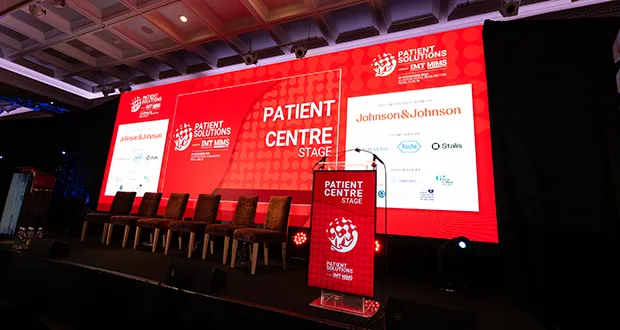
Top health leaders to address Patient Solutions 2026 – Irish Medical Times
Derek Tierney Outlines Healthcare Reform Vision at Dublin Conference Ireland’s top health civil servant addresses clinicians, patients, and...

Manila Memorial Park logs over 140,000 visitors on All Souls’ Day – Inquirer.net
Millions Visit Cemeteries Across the Philippines for Undas 2026 As millions of Filipinos gathered across the nation to...
Extreme Heat Linked to Surge in Cardiac Arrest ICU Admissions
When the Thermometer Climbs, ICU Admissions for Cardiac Arrest Follow As summer temperatures push past 90 degrees Fahrenheit,...