
Health and Human Services Secretary Robert F. Kennedy Jr. has authorized a “shortcut” to make six unapproved peptides available through compounding pharmacies, bypassing standard FDA safety protocols. By exercising “enforcement discretion,” the HHS is effectively instructing the FDA to ignore existing bans on these substances, moving them from a “research-use only” gray market into pharmacy channels without requiring the usual clinical trials for efficacy or safety.
The Market Impact:
- Regulatory Bypass: Six unapproved peptides (BPC-157, epitalon, KPV, MOTS-c, semax, and TB-500) are now accessible via 503A compounding pharmacies despite FDA scientists’ warnings.
- Market Shift: The move targets the “gray market,” shifting demand from overseas illicit suppliers to domestic compounding pharmacies, though it excludes high-volume 503B outsourcing facilities.
- Clinical Disincentive: Consumer advocacy groups warn that wide availability of these compounds removes the financial incentive for pharmaceutical firms to follow up with thorough clinical trials.
RFK Jr. Overrules FDA Scientific Consensus
The decision represents a break from the FDA’s internal scientific guidance. Most FDA scientific staff opposed the move and had limited input in drafting the policy. While an FDA advisory panel narrowly voted in July to expand access, the agency’s own scientists recommended maintaining restrictions. The panel in question included six new appointees with ties to the peptide industry and the son of a U.S. representative who had pushed Kennedy to make peptides more available.
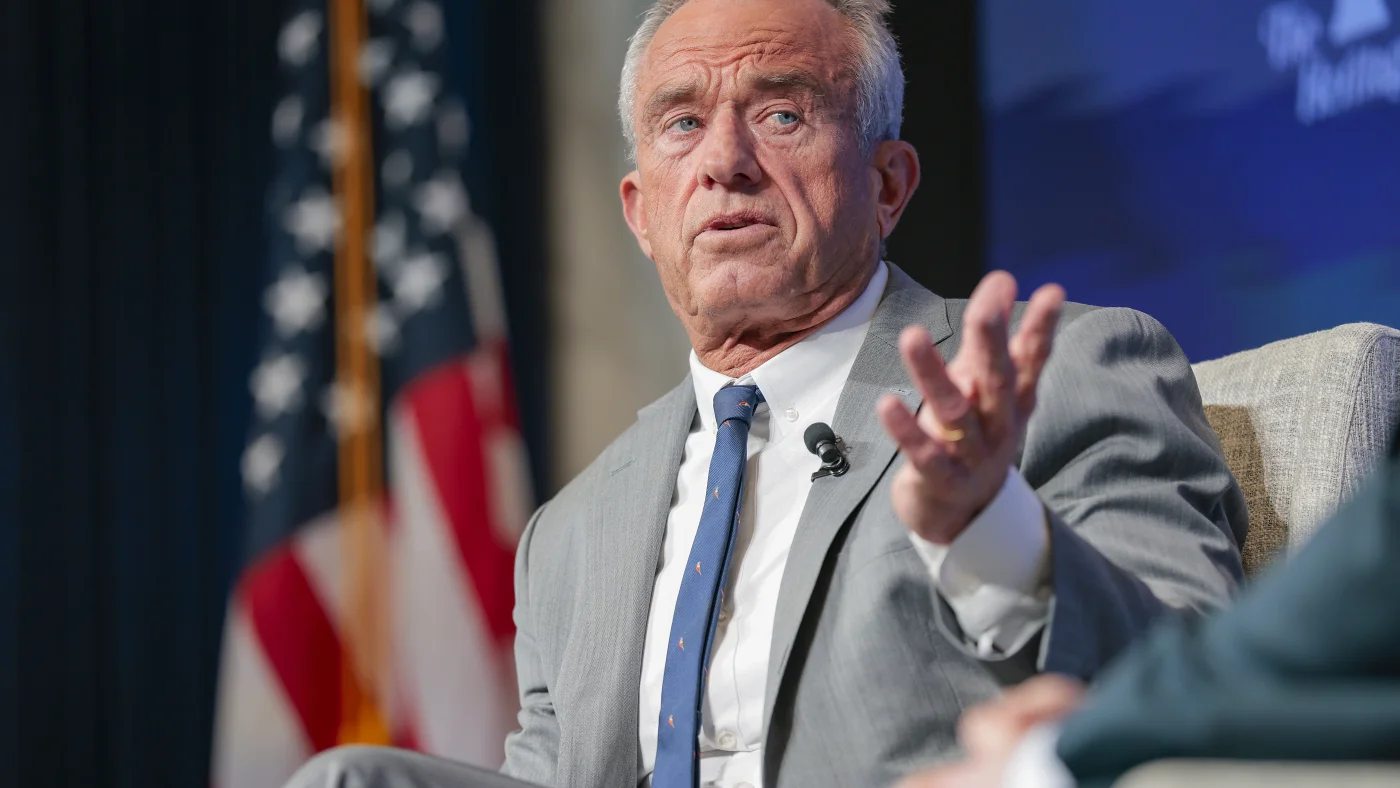
The “enforcement discretion” mechanism allows the HHS to avoid a formal rulemaking process, which typically requires public comment and months of review. This maneuver effectively creates a path for 503A pharmacies to dispense substances that the FDA had explicitly listed in 2023 as substances that should not be compounded due to risks of tumor growth, kidney damage, and allergic reactions.
“Imagine what it means for the nation’s top drug regulator to announce they won’t enforce the laws on people making completely untested compounds and distributing them to the public.”
Shabbir Safdar, executive director of the Partnership for Safe Medicines, which researches the dangers of counterfeit medicines.
The Financial Mechanics of the Peptide Gray Market
For years, a “research chemical” market thrived by labeling peptides “for research use only,” a legal workaround that allowed retailers to sell them without FDA approval. Kennedy argues that bringing these into the compounding pharmacy system creates a “more controlled alternative” to sketchy overseas suppliers. Joshua Fritzler, president of Olympia and Wesley Pharmaceuticals, noted that while demand has been high for years, the illegality of compounding these substances previously blocked his company from making them. Now, 503A pharmacies can make these peptides, provided they source ingredients from FDA-registered factories.

When a compound becomes widely available via compounding, reputable pharmaceutical companies may have less incentive to follow up with thorough clinical trials if the peptide is already widely available.
Direct Impact on American Consumers
For the average American, this is a trade-off between “patient choice” and systemic safety. These injections—marketed for longevity, muscle repair, and skin health—are now available at local pharmacies without the guarantee that they work better than a placebo or are free from carcinogenic properties. The plan bypasses tests for birth defects and cancer, which are standard for FDA-approved medication.

HHS Adds Guardrails but Critics Cite Remaining Risks
To mitigate the fallout, the HHS included technical guardrails suggested by FDA staffers. Pharmacies must now certify the purity of the compounds and report side effects to the government. However, critics argue these measures are insufficient. Fred Mills, chief policy officer of Americans for Safe and Effective Medicines (ASEM), stated that the rule does not resolve problems with “questionable ingredients or misleading claims.”
| Peptide | Promoted Use |
|---|---|
| BPC-157 | Ulcerative colitis / Muscle injury |
| Epitalon | Insomnia / Longevity |
| KPV | Wound healing |
| MOTS-c | Metabolic health |
| Semax | Migraine |
| TB-500 | Wound healing |
According to Public Citizen, Kennedy acted without the typical rulemaking process, leaving the U.S. in a regulatory “grey area” where the government is ignoring its own safety data.
By shifting the burden of safety from the regulator to the consumer, the administration is betting that the risks of unproven peptides are lower than the risks of an unregulated black market.
Disclaimer: The information provided in this article is for educational and market analysis purposes only and does not constitute financial, investment, or legal advice. Always consult with a certified financial professional before making investment decisions.
Related reading

BBG Youth Correspondent Jayli Interviews South Charleston City Council Candidate Karley Walker
In a recent interview, 23-year-old BBG Youth Correspondent Jayli sat down with Karley Walker, the Democratic candidate for...

Takeaways from Tennessee Lady Vols exhibition vs. Florida A&M – Sports Illustrated
The Tennessee Lady Vols delivered a statement win in their only exhibition game of the season, defeating Florida...
Study Ranks Milwaukee 8th Nationally In Spending on Fast Food
Milwaukee Ranks 8th Nationally in Fast Food Spending, Highlighting Deeper Economic and Social Divides Milwaukee residents spend an...
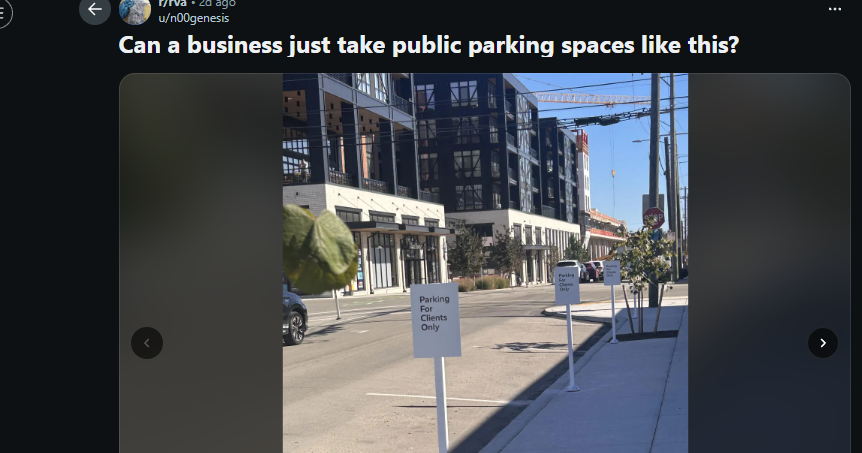
Miscommunication’ led to private parking signs on public Richmond street, landlord says
A miscommunication between a Richmond landlord and city officials led to the installation of private parking signs on...