
Russell Brand was sentenced to more than 10 years in prison yesterday after being convicted of raping one woman and sexually assaulting three others.
The sentencing marks a significant moment in the public reckoning with how the entertainment industry handles allegations of abuse and the conduct of its most famous figures.
The trial highlighted the persistence of victim-blaming tropes that often surface in sexual assault cases. These narratives—such as questioning why a victim did not scream or report an incident immediately—are familiar to those working within the legal system.
Helena Kennedy KC, a criminal barrister and chair of the Creative Industries Independent Standards Authority (CIISA), noted that the trial brought these attitudes into sharp relief and stated that the justice system has to provide women with a fair opportunity to obtain justice, without subjecting them to discriminatory assumptions and further trauma.
The implications of this verdict extend beyond the courtroom and into the structural vulnerabilities of the creative sector. Culture Secretary Lisa Nandy stated over the weekend that she believes such abuse is likely still occurring, noting, “I can’t say to you as the culture secretary that this is not happening today. In fact, if I had to wager, I would say it is.”
The entertainment industry often operates on informal hiring practices where personal reputation is the primary currency. For the vast majority of the freelance workforce, speaking out against a powerful figure carries the risk of being labeled “difficult,” potentially ending a career before it gains momentum. This power imbalance is compounded by the fact that many creative businesses are small operations lacking dedicated HR departments to manage reports of misconduct.
In response to these systemic issues, CIISA has been working to establish minimum requirements for safe working environments across film, TV, music, and theater. These standards now apply to informal and professional spaces alike, including rehearsal rooms and tour buses.
Major organizations, including the BBC and ITV, have begun requiring production companies to adhere to these standards through their commissioning agreements, while BAFTA has integrated them into its award eligibility criteria.
Parliament officially designated CIISA as a whistleblowing body for the creative industries this past June. This move provides workers with legal protections even when they have signed non-disclosure agreements, which have historically been used to silence victims of harm. By centralizing reports, CIISA aims to identify patterns of behavior across multiple projects and employers that might otherwise remain hidden.

While these standards represent a move toward greater accountability, they are not a total solution. The challenge remains in ensuring that small businesses, which often operate with shrinking budgets and increasing workloads, have the capacity to implement these protocols effectively. For now, the focus is on creating a consistent approach to safeguarding that prevents workers from falling through the cracks of a fragmented industry.
The sentencing of Russell Brand illustrates the impunity that fame can confer. Whether the industry can use this moment to fundamentally change its culture of silence is the defining question for those currently working to reform its standards.
- Oklahoma’s Taylor Wein Mimics Taping Gator Mouth in Viral Celebration
- Sources: Katie Zacharia Reportedly Angling for Press Secretary Role
- Measles Kills 1 to 3 in 1,000 Children; New York's First Death in 30 Years (daybreakwire.com)
- Jemima Goldsmith accuses Russell Brand of abuse and calls police over 2014 incident (newsarchyuk.com)
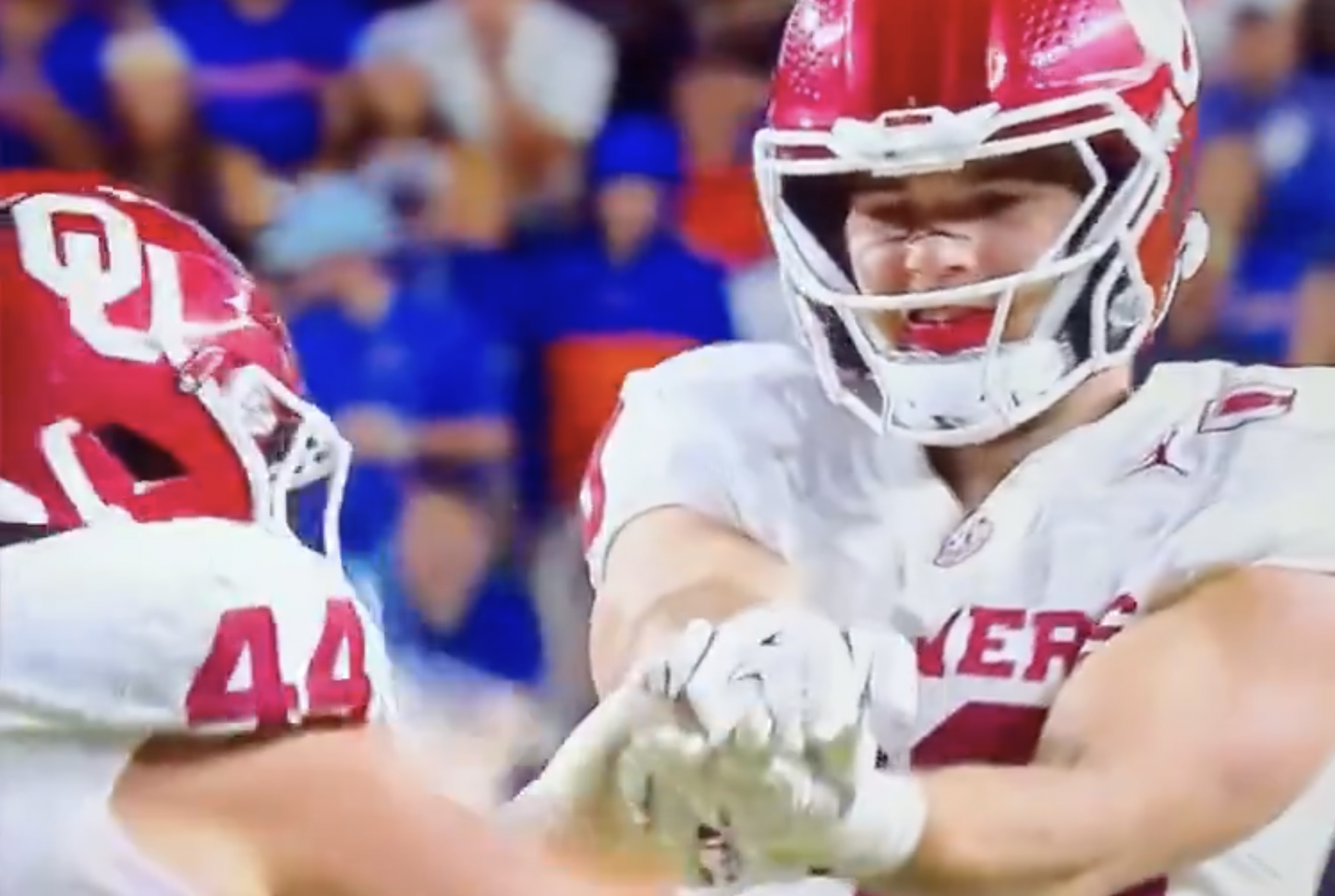
Oklahoma’s Taylor Wein Mimics Taping Gator Mouth in Viral Celebration
As wruf.com noted, Oklahoma played its inaugural game in program history at The Swamp against the Gators, entering...

Sources: Katie Zacharia Reportedly Angling for Press Secretary Role
The Attempted Return of Katie Zacharia Former White House press secretary Katie Zacharia is reportedly attempting to secure...

Why Do We Get Electric Shocks in the Wintertime? – KFYR
Electric shocks in the wintertime happen because weather is a lot drier and less humid, allowing static electricity...

Ohio Communities Overwhelmingly Pass Local Data Center Restrictions
Last week, Ohio voters put more data center-related measures on the ballot than any other state, overwhelmingly voting...