
The Professional Reckoning of Russell Brand’s Defense
The courtroom drama surrounding Russell Brand took a sharp, unexpected turn this week—not from the verdict delivered by the jury at Southwark Crown Court, but from the conduct of his own legal representation. Ian Winter, the barrister who spearheaded Brand’s defense, has officially reported himself to the Bar Standards Board following a public altercation with Sunday Times journalist Rosamund Urwin. The incident occurred on Thursday afternoon, mere moments after Brand was found guilty of rape and three counts of sexual assault, crimes spanning a five-year period from 2004 to 2009.
As reported by The Irish Times, the exchange outside the courtroom was pointed. Winter confronted Urwin, whose investigative work was central to the allegations brought against the former comedian, telling her, “I hope you are pleased with yourself.” When Urwin replied that she was pleased justice had been served, Winter countered, “Well, it wasn’t. You f***ed it.”
A Breach of Professional Conduct
The fallout from this outburst has been immediate. Ben Taylor, editor of the Sunday Times, publicly condemned the behavior as “reprehensible,” noting that it was a jury of eight men and four women—not the media—that reached the verdict after four weeks of testimony. By targeting the journalist, Taylor argued, Winter was effectively attempting to impugn the integrity of the judicial process itself. In a statement released Friday, Winter acknowledged the scrutiny his actions invited, confirming his decision to self-report to the regulatory body to ensure the matter is subject to “proper scrutiny.”
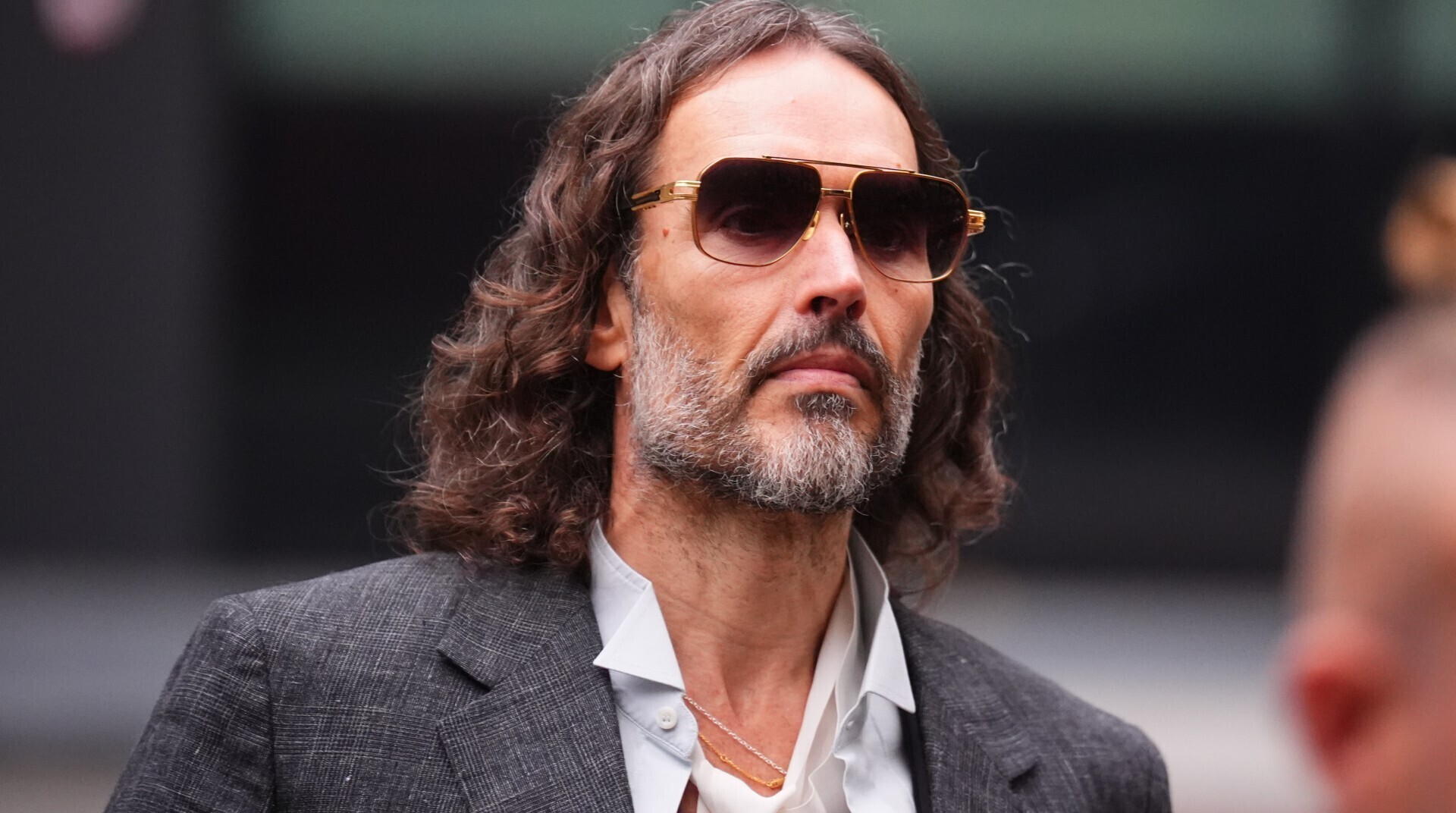
This confrontation was the culmination of a defense strategy that had consistently positioned the media as the primary antagonist. Throughout the trial, Winter had argued that the 2023 reporting by the Sunday Times, The Times, and Channel 4’s Dispatches documentary, In Plain Sight, had “poisoned the well,” making a fair trial impossible. According to The Irish Examiner, Brand’s legal team even went so far as to suggest that the journalists involved were “criminals” who had perverted the course of justice. Judge Joel Bennathan consistently rejected these motions, maintaining that a jury could be empaneled that had not been influenced by the prior media coverage.
The Shadow of Further Allegations
While Brand awaits sentencing this coming Monday, the legal pressure remains far from resolved. RTE.ie reports that the Metropolitan Police are continuing investigations into two additional rape allegations. During pre-trial hearings, it was revealed that one of these complaints involves a woman who was a 16-year-old schoolgirl at the time of her relationship with the then-30-year-old Brand. Prosecutors have confirmed that while these new complaints are being assessed for potential future charges, they were not joined to the current trial proceedings.
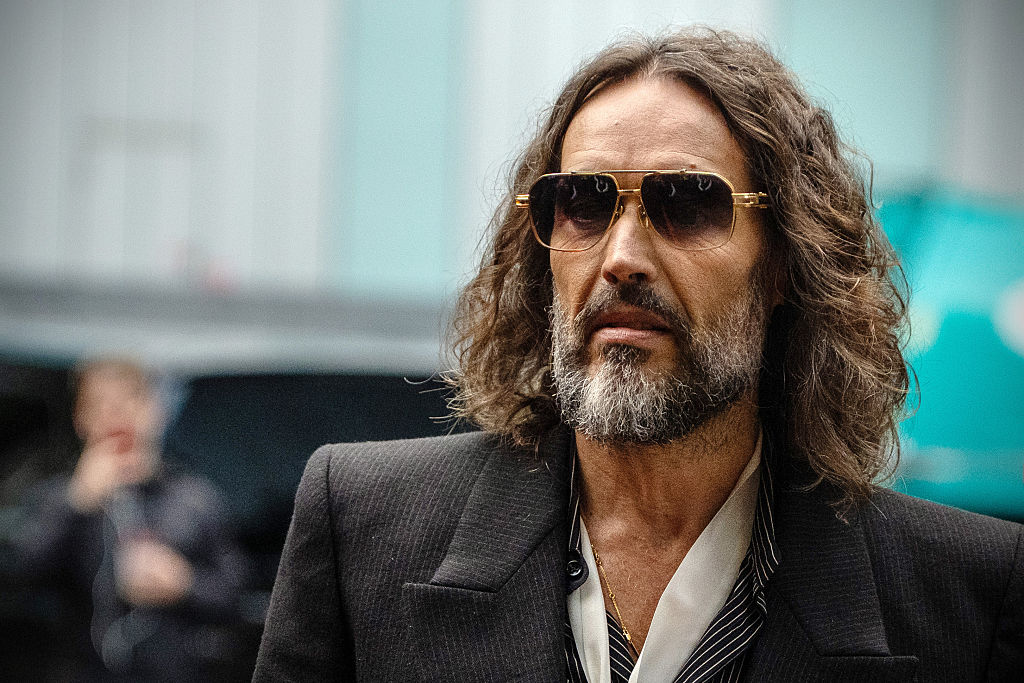
The courtroom atmosphere, described by The Spectator as “grueling and frequently ugly,” saw Brand remain in custody after being cleared of two additional rape charges and one count of attempted indecent assault. Despite the defense’s efforts to characterize the case as a media-driven conspiracy, the jury’s decision marks a definitive end to Brand’s long-standing public persona as an untouchable, albeit controversial, cultural figure.
Industry Implications and the Culture of Accountability
The collapse of Brand’s public image serves as a stark case study for the entertainment industry regarding the cost of enabling “eccentric” behavior. For years, Brand’s brand equity was tied to a volatile, hyper-confident persona—a trajectory that saw him transition from radio infamy in 2008 to a household name in Hollywood. As noted by The Irish Examiner, the absence of celebrity defenders in the courtroom was a telling indicator of how quickly industry support evaporates when the legal reality of an individual’s actions becomes undeniable.

For the American consumer and the broader media landscape, this verdict signals a tightening of the tolerance threshold for talent whose off-screen conduct contradicts the values of the platforms that distribute them. The financial impact of such downfalls—often involving the un-airing of content, the cancellation of distribution deals, and the loss of backend gross from syndicated projects—remains a core concern for showrunners and studio executives who are increasingly performing rigorous due diligence on high-profile talent.
As the legal system moves toward sentencing, the focus shifts from the performer to the process of accountability. The self-reporting of his own barrister suggests that the boundaries of aggressive advocacy have been tested to their breaking point. Whether this will lead to a broader re-evaluation of how defense teams interact with the press in high-profile sexual assault cases remains an open question for the legal community.
Disclaimer: The cultural analyses and financial data presented in this article are based on available public records and industry metrics at the time of publication.
Worth a look
- In a column for RTÉ, Galway writer Eithne Verling describes it as “mad, extraordinary.” Her
- Breaking Bad Actor RJ Mitte’s Manner of Death Revealed
- Russell Brand faces up to nine years in prison after rape conviction (newsarchyuk.com)
- Crichton Estate Clears a Minimal-Merit Bar on The Pitt, Not a Verdict (daybreakwire.com)

In a column for RTÉ, Galway writer Eithne Verling describes it as “mad, extraordinary.” Her
A Galway Writer's Thriller Becomes a TV Reality, With a Little Help From Star Trek In a column...
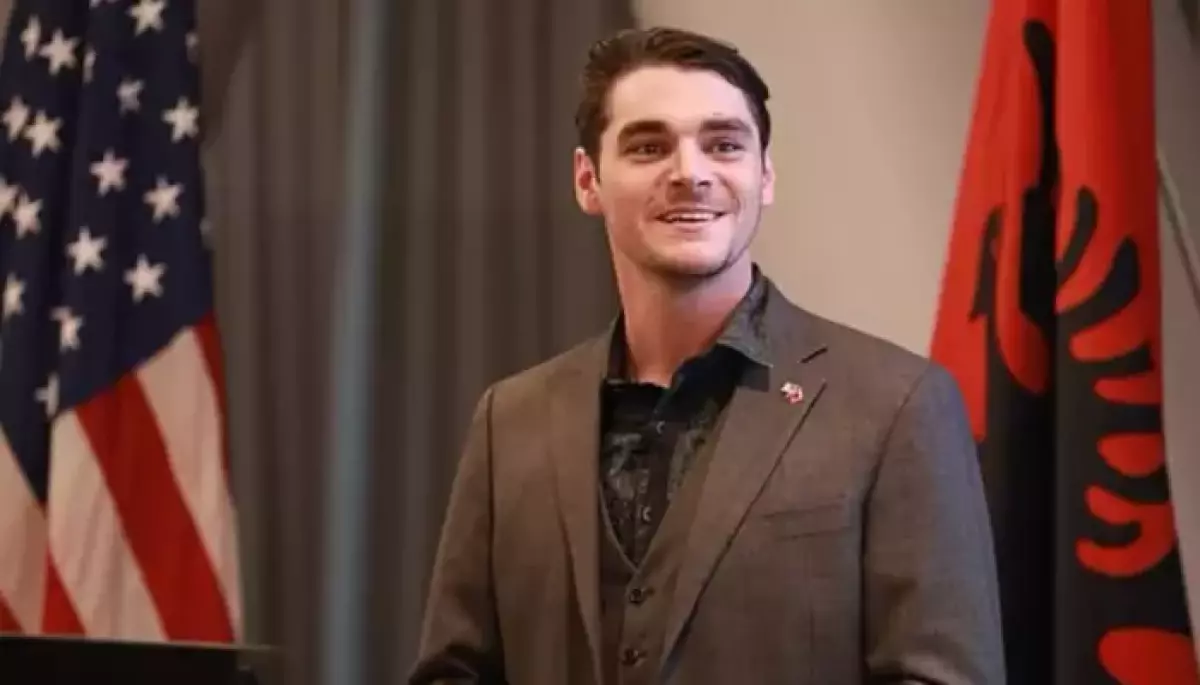
Breaking Bad Actor RJ Mitte’s Manner of Death Revealed
Official Inquest Report Confirms Manner of Death for RJ Mitte An official inquest report obtained from Cameron County,...

Drumshanbo Lotto Player Wins €4.7m Jackpot at Scollan’s Gala
A County Leitrim player holds a Quick Pick ticket worth €4,769,938 after winning the draw held on Wednesday,...

Mark Fowler Runs Through Albert Square in His Boxers After Affair Blunder
Mark Fowler Sprints Through Albert Square in Boxers After Community Centre Blunder Mark Fowler found himself sprinting across...