
A Granite Reminder of Sacrifice at Salt Lake City Cemetery
A monument standing above 11th Avenue at the Salt Lake City Cemetery continues to serve as a tangible link to the history of Japanese American veterans, KMYU reported. Erected in 1947, the structure remains a focal point for families and visitors alike, marking the lives of servicemen who died during World War II.
For Troy Watanabe, a resident of Salt Lake City, the monument is deeply personal. It bears the name of his great-uncle, Takeo Fujino, who was born in 1914 in California before his family relocated to Utah. When the war began, the trajectory of the Fujino family shifted, eventually leading to Takeo’s service and death on August 4, 1945—just one month before the formal surrender of Japan.
This is the memorial of Matthew Stanford Robison at Salt Lake City Cemetery. Born with severe disabilities, Matthew spent his life in a wheelchair and passed away in 1999 at just 10½ years old. His father, Ernest Robison, wanted the grave to feel like a place of hope. The bronze… pic.twitter.com/KuG66kvwoi
The Kasai Legacy and Community Organization
The creation of the memorial was not a solitary effort but the result of intense community organization led by Henry and Alice Kasai. According to Watanabe, Alice Kasai was instrumental in rallying families of those killed in action to establish a fund for the monument.
Alice Kasai’s influence extended well beyond this single project. As a dedicated civil rights leader, she served as the first woman president of the Japanese American Citizens League (JACL) during her husband’s absence. Her work, alongside her husband, helped organize the Japanese community in Salt Lake City’s Japantown, a period marked by significant uncertainty and systemic challenges for Japanese Americans. The Kasais were also key figures in the establishment of the International Peace Gardens in Salt Lake City, further cementing their role in the city’s civic fabric.
Honoring the Cost of Freedom
The monument serves as more than a historical marker; it is the site of an annual ceremony held every Memorial Day. Members of the Japanese community gather there to remember those who sacrificed their lives for American freedom, ensuring that the history of the 1947 memorial remains part of the local consciousness.
While the physical structure is made of stone, the stories it represents—like that of Takeo Fujino—provide the context for the price of that freedom. The site continues to point visitors toward a chapter of Utah history that remains vital to understanding the state’s diverse past and the resilience of its Japanese American community.
Keep reading
Madison voter Terri Lachance referred for review after attempted second vote
The Madison Voter Who Tried to Beat the System When Terri LaChance walked back into her Madison polling...

Ron DeSantis Denies Washington Post Reports of 2028 Presidential Bid
The 2028 Speculation and the Governor’s Rebuttal Florida Governor Ron DeSantis took to social media this past Friday...
Virginia Beach prepares for Tunnel to Towers 5K Run & Walk
The Tunnel to Towers 5K Run & Walk in Virginia Beach serves as a local extension of a...
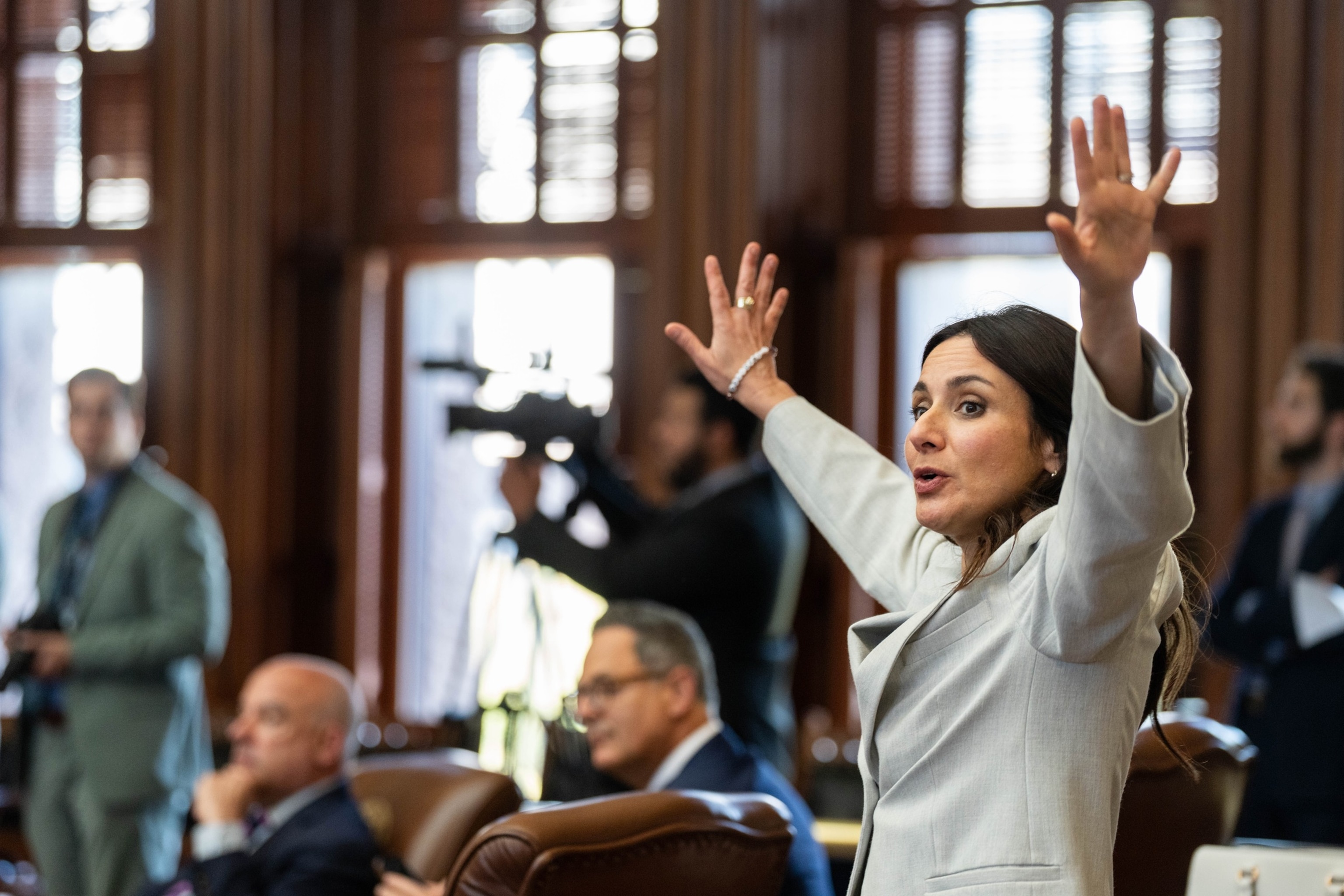
Gina Hinojosa to Become Texas’ First Latina Governor
Texas has elected Gina Hinojosa as its first Latina governor, marking a historic shift that ends three decades...