
Salt Lake City reduced water consumption by 4.8 percent from the three-year average this irrigation season, a drop of more than 2 billion gallons despite the hottest summer since 1895.
Salt Lake City reduced water consumption by more than 2 billion gallons this irrigation season compared to the three-year average, a drop that arrived even as the city baked through its hottest summer since 1895.
The conservation program manager for the Salt Lake City Department of Public Utilities, Stephanie Duer, presented the final numbers to city leaders last week. As of October 31, the utility’s service area — covering Salt Lake City, Cottonwood Heights, Holladay, Millcreek and Murray — had consumed a little more than 20.5 billion gallons.
That represents a 4.8 percent decrease from the three-year average and a 7.3 percent drop from the same point last year, reversing two years of climbing usage that followed the record snowpack of 2023.
Mayor Erin Mendenhall had set a target of saving more than 2.1 billion gallons in March when she moved the city back to Stage 2 of its five-stage water shortage plan, a response to the state’s record-low snowpack that supplies 95 percent of Utah’s water.
The plan mandates cuts only for city-owned facilities, which account for less than 5 percent of system use. The remaining 95 percent flows to more than 90,000 residential and commercial connections serving roughly 360,000 residents and 14,000 businesses, all operating under voluntary guidelines.
“Given the size of the area, the temperatures this summer, how dry it was … that’s a phenomenal response from our community in terms of a drought response.”
Duer said. The official city thermometer hit 109 degrees for the first time on record this summer, logging 20 triple-digit days — tied for the fifth most in 152 years. The average temperature ranked seventh highest on record, while the state broke its own heat record.

The city fell short of its 2.1 billion-gallon goal, but the context explains why. A chunk of the water not used never existed in the system to begin with because the record-low snowpack meant less water entered the reservoirs this winter.
That scarcity made the reductions critical, Duer added. Usage this summer came in below the summer of ’25, ’24, ’23, the three-year average, the five-year average, and the benchmark year of 2016.
The Salt Lake City Department of Public Lands cut its year-over-year consumption by 4 percent. Director Kim Shelley said the department prioritized hand-watering nearly 1,000 newly planted trees over broad irrigation during a critical establishment period. Only two trees were lost. Long-term plans call for replacing turf with lower-water alternatives across the portfolio, including golf courses. Crews also replaced faulty systems, swapped faucets, and installed new irrigation controllers at city facilities.
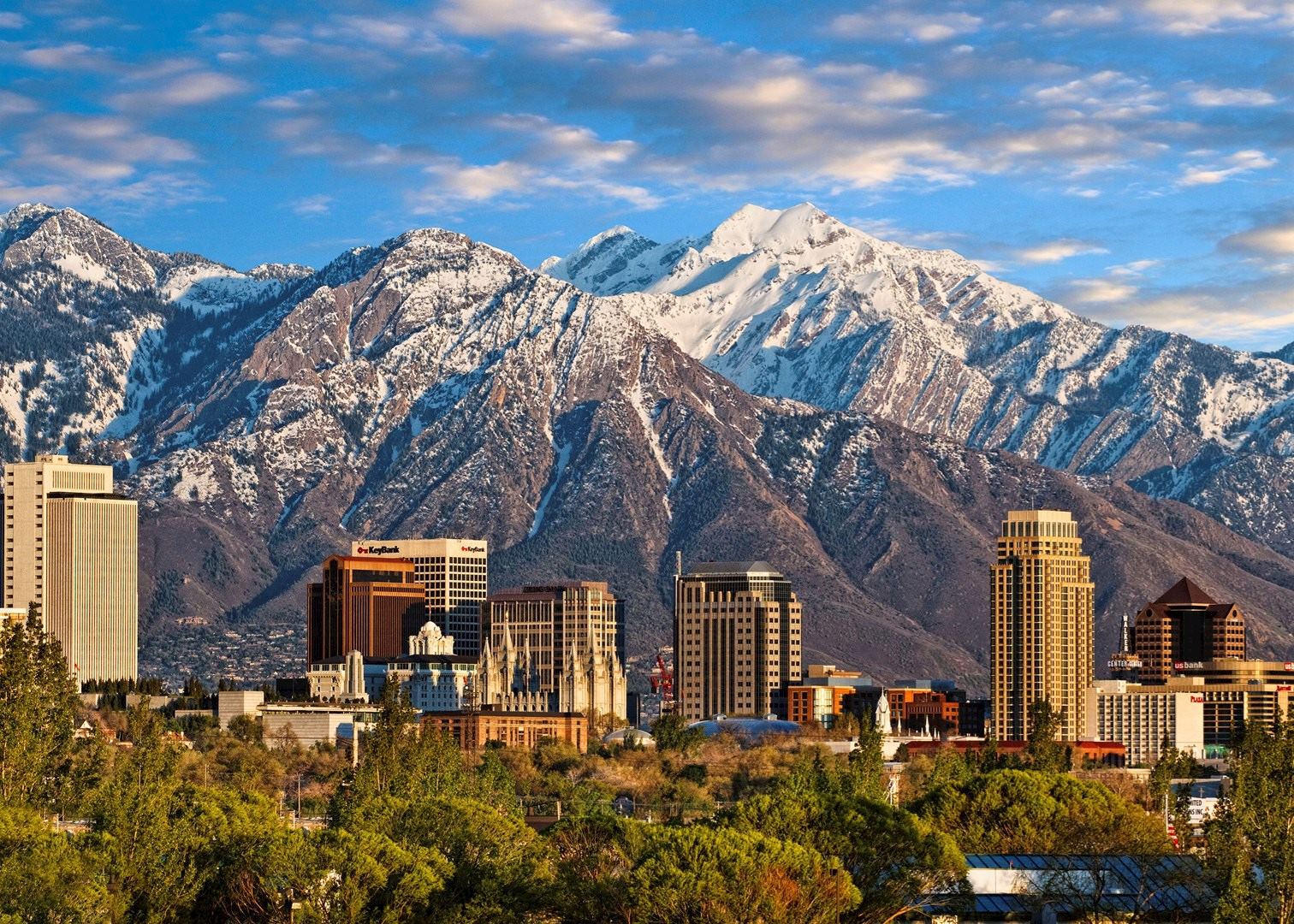
“We only lost two trees, so that’s a really big deal for the … almost 1,000 we put in the ground over the last few months.”
Kim Shelley
Shelley said.
Councilman Dan Dugan pointed to the contrast with the year 2000, noting the city’s population has grown significantly since then while total consumption has dropped. He credited both residents and city officials for finding efficiency gains, but warned the work is not finished.
“We still have to continue to improve this because … our reservoirs are still getting depleted because we’re not getting the water.”
Dugan said.
Worth a look
US Retail Sales Rise 0.2% in October as Gas Prices Distort Figure
Retail sales crawled just 0.2% higher in October, the weakest monthly gain since July, as shoppers pulled back...
Make-A-Wish Metro New York Opens VR ‘Wish World’ With $800,000 Garden of Dreams Grant
Children facing critical illnesses in the New York metro area can now explore a 20-minute virtual reality journey...
WYDOT Adds Real-Time Wildlife Crash, Migration Alerts to 511 Notify
Wyoming drivers will now get real-time warnings about wildlife on the highway through the same system that already...

Trump Says US ‘Looking Into’ Iran Dirty Bomb Plot as White House Says No Credible Threats
Donald Trump said the United States is "looking into" whether Iran is developing plans to detonate a dirty...