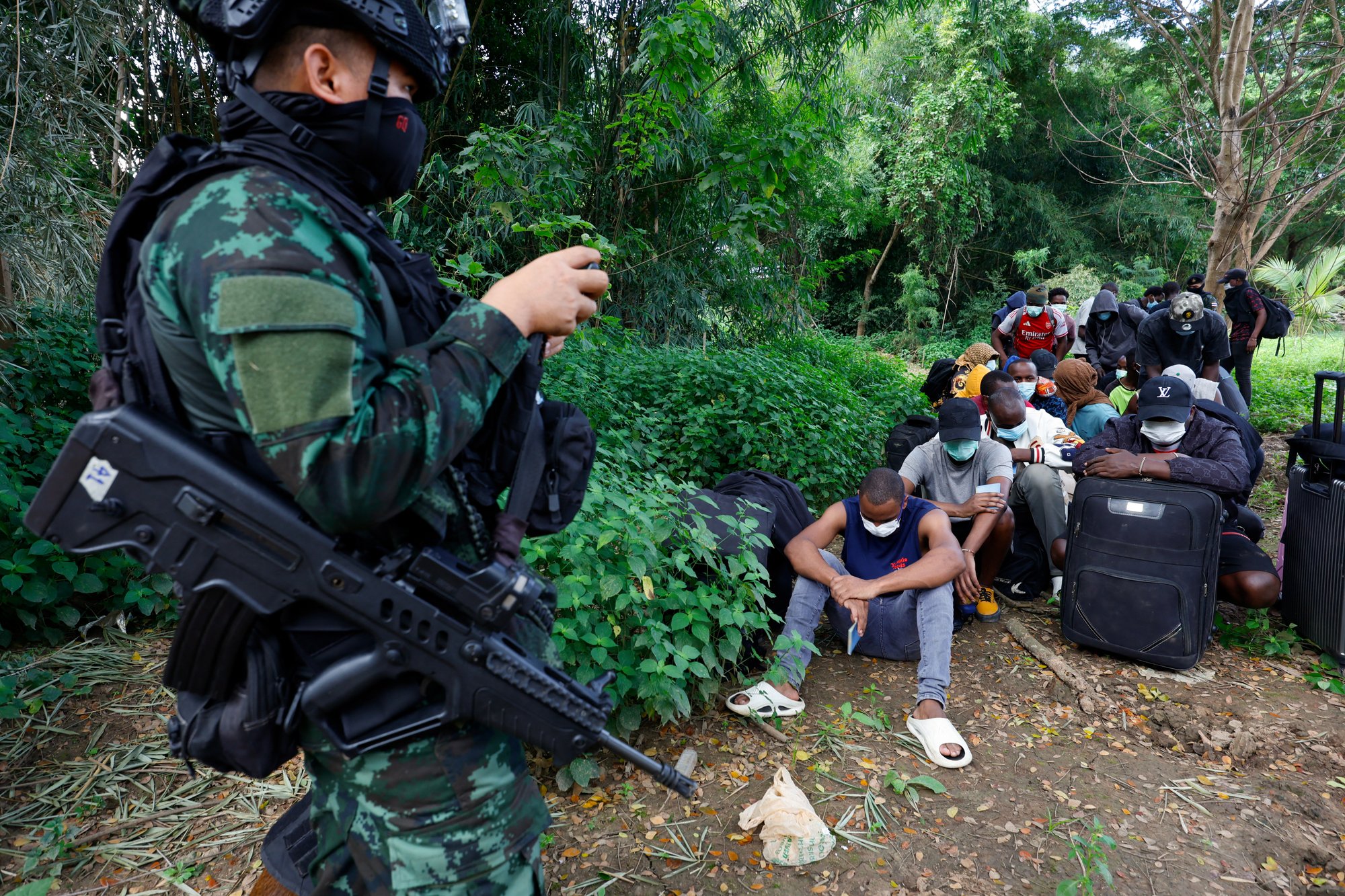
Scam syndicates tied to Chinese cartels are shifting operations along the Thai-Myanmar border rather than shutting down, even as U.S. sanctions target militia leaders who protect the compounds.
Under pressure from Beijing and Bangkok, the junta and its allied Border Guard Force and Karen National Army demolished buildings at the KK Park and Shwe Kokko compounds in Myawaddy Township, Karen State, in February 2025, and repatriated thousands of foreign workers, Karen News reported.
The crackdown failed to uproot the networks. Criminal groups relocated to areas including Kachin State, where they expanded and resumed operations. Lower-ranking members of junta-allied Karen armed groups now run transport services moving Chinese, Indian and Pakistani nationals across the border for tens to hundreds of thousands of Thai baht per person.
The Observer described how walled concrete compounds sprang up after the 2021 coup, turning militia-held borderlands into a global cyber-scam hub. The outlet reported that industry revenue soared to $18.3 billion in 2025 — equivalent to 22.4 % of GDP — while the Global Initiative Against Transnational Organised Crime estimates the cartels steal roughly $175 million a day from victims worldwide.
Inside the compounds
A former worker, identified as Jerry, said he started as a 16-year-old guard preventing escapes and within two years was duping victims inside a Myawaddy compound. “I didn't actually want to do it, but there were no other jobs,” he said. “We realised that while we were making money, someone on the other end was destroyed. If that happened to us, how would we survive?”
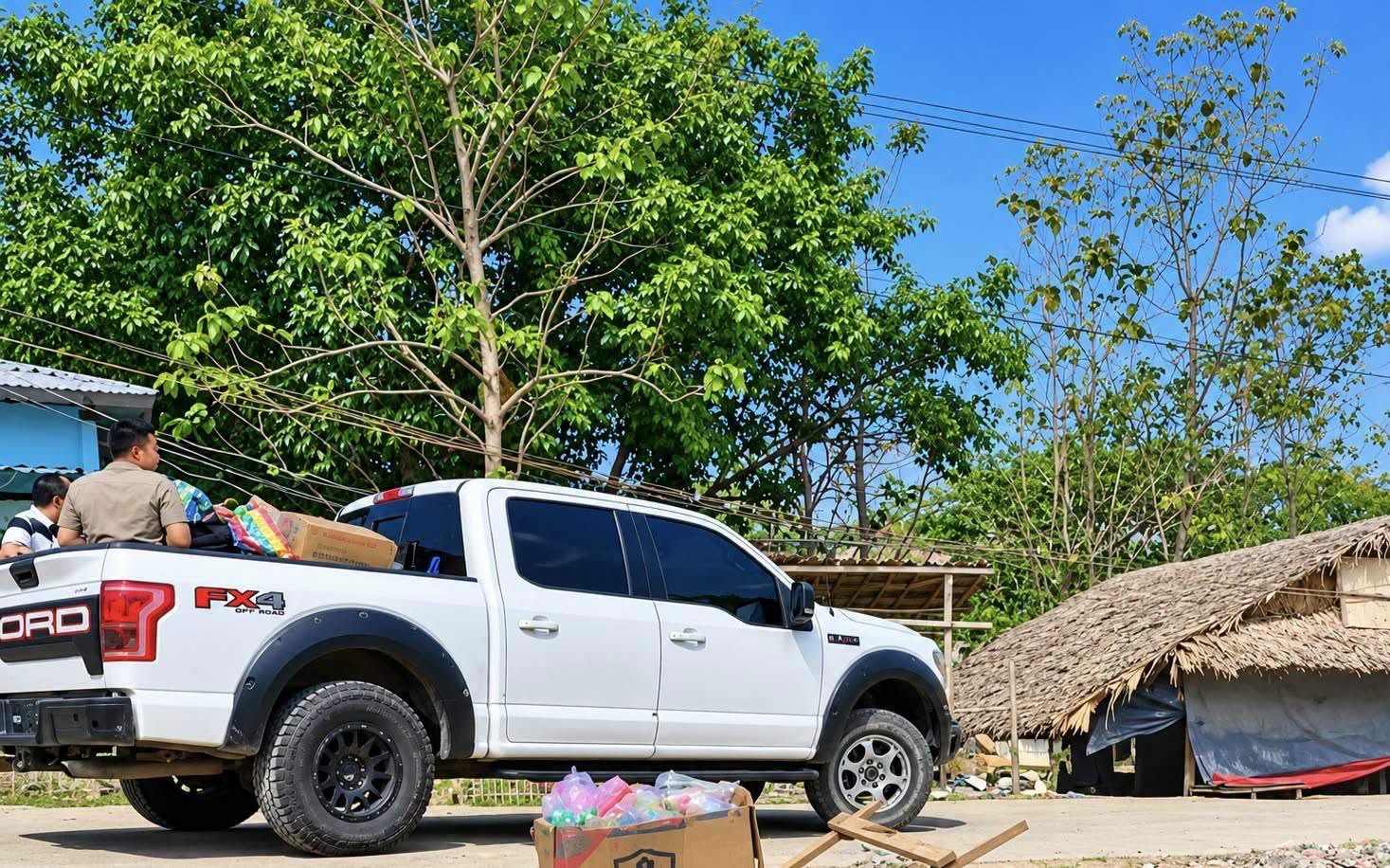
Jerry earned 20,000 Thai baht (£445) a month; only receptionists and “killers” — senior scammers who close the fraud — received commissions. About 800 people worked at his site, 200–300 from Myanmar alongside Nepalese, Russian, Pakistani, Indian, Indonesian and Filipino nationals. Workers slept four to five hours a night in dormitories to the sound of distant shelling.
In the end, the killer took everything.
Jerry
Scammers watched victims weep on video calls; some killers told Jerry they had seen victims take their own lives during calls. After two months in a Myawaddy prison, Jerry now sells chicken skewers outside a school. “No, absolutely not,” he said when asked if he would return. “Money that comes so easily from others never stays long in your hands.”
Armed groups transport foreign nationals for profit
Transport networks involve personnel from the Border Guard Force, Karen National Army, Democratic Karen Benevolent Army and the Karen National Union/Karen National Liberation Army-Peace Council, all of whom move freely in the area, according to Karen News sources.
“The main job is transporting Chinese, Indian and Pakistani nationals,” a former driver said. “There is a lot of money to be made, and some people have become extremely wealthy after building strong connections. These operations run through established networks.”
Many passengers appeared trafficked — some handcuffed, others bearing injuries consistent with physical abuse. The New Mon State Party Anti-Dictatorship, operating about 150 miles south of Mae Sot near Sangkhlaburi, opposes the compounds encroaching on its territory and has stepped up checks on foreign nationals while aiding escapees.
“Even as big scam centres face crackdowns, their smaller offshoots are spreading,” said Gong Skar, an ethnic Mon pro-democracy rebel. “Having operations based in our lands that defraud people around the world is entirely intolerable.” He added the syndicates have “vast financial sources, which makes them especially worrisome.”
International pressure mounts
Beijing’s 2023 crackdown on cartels targeting Chinese citizens pushed gangs to broaden their reach toward English-speaking countries, especially the United States. That shift prompted Washington to impose sanctions on BGF leader Colonel Saw Chit Thu and his family members, and on two DKBA leaders in November 2025. The U.S. previously sanctioned BGF leader Colonel Saw Chit Thu, his family and other senior BGF figures over alleged ties to cyber-scam syndicates.
On November 19, the State Department sanctioned two DKBA leaders, accusing them of providing security for scam compounds, forcing trafficking victims to work and subjecting them to torture and abuse. One sanctioned commander, Saw A One of DKBA Brigade 2, told KIC he earns his living solely through farming, is not wealthy, and holds no assets abroad.
Shwe Kokko, a town in Myawaddy Township, became a scam hub after Chinese-led projects like Yatai New City, launched in 2019, facilitated illegal gambling and cyber scams. The Kayin State Border Guard Force, headquartered there, taxed these operations, while Yatai used blockchain technology to launder money.
By 2020, the project expanded far beyond approved limits, and after the 2021 coup, the military’s preoccupation with civil war allowed the scams to resume, turning the area into a global fraud center.
GI-TOC senior expert Jason Tower said the junta receives lucrative kickbacks from cartel bosses and has “no political will to crack down.” Tower estimates 100,000 to 150,000 people work in Myanmar’s scam centres, using Starlink and the regime-owned telecoms company Mytel for internet access. The compounds also support local economies through cleaning, cooking and maintenance jobs welcomed in impoverished areas, complicating enforcement.
Related reading

Swiss Voters Decide on Easing Arms Export Rules
Swiss voters decide Sunday whether to ease arms-export restrictions and raise the value-added tax to fund a 13th...
Jharkhand Govt Cancels Job Results For 3,000
The Jharkhand state government canceled the results of government recruitment exams in August, affecting 3,000 people, including 25-year-old...

Ukraine Releases Declassified Archives on Holodomor Genocide
Ukrainians marked the 93rd anniversary of the Holodomor this Saturday with candlelight vigils, religious services and newly declassified...

Iran Denies Drone Strike, Calls Allegations a Cover for War
The incident is suspicious and looks like a precooked recipe for war, Iranian Foreign Minister Abbas Araghchi wrote...