
Play readings serve as the essential engine of new play development at Seattle Rep, functioning as a collaborative laboratory where playwrights and producers test scripts without the financial and logistical weight of a full-scale production. By prioritizing the text over elaborate staging, these sessions allow creators to hear their work spoken aloud, bridging the gap between a written draft and a living performance.
The Mechanics of New Play Development
Seattle Rep distinguishes between two primary formats for these sessions. Table reads serve as the most intimate environment, gathering actors around a table or music stands to focus exclusively on the dialogue and rhythm of the script. These sessions often occur without an audience, providing a safe space for initial experimentation. In contrast, staged readings introduce basic elements—such as furniture and minimal blocking—and are frequently performed before an invited or public audience to gauge real-time reactions. This developmental process is vital because, as the theater notes, plays are designed to be heard, not merely read. Even established works often begin their rehearsal process with a table read to ground the cast in the text before the complexities of production design take over.
Historical Roots at the Rep
The commitment to new works at Seattle Rep traces back to 1978, when a special grant from the arts funder PONCHO enabled the launch of a program originally titled “The Other Season.” This initiative carved out a dedicated space for experimental and emerging pieces, fundamentally changing the company’s creative output. One notable success from this era was Arthur Miller’s The American Clock, which began as a staged reading directed by Daniel Sullivan. The program’s legacy continues to influence how the Rep approaches contemporary theater, ensuring that playwrights have the necessary resources to iterate on their scripts before they reach the mainstage.
Notable Works and Collaborative Milestones
The Rep has utilized these formats to develop a diverse range of productions. Past examples include the staging of The Search for Signs of Intelligent Life in the Universe, a collaborative effort between Lily Tomlin and Jane Wagner, as well as No-No Boy, adapted by Frank Abe from the novel by John Okada. Other projects, such as Kevin Cirilli’s The Man in the Red Hat and Valerie Curtis-Newton’s The Rent Party, have also benefited from the collaborative environment of readings. By stripping away production-quality staging and memorization requirements, these sessions allow both the playwright and the actors to focus on the core narrative stakes, ensuring that the final performance is as resonant as possible for the audience.

Keep reading

Pierre Cruises Past Mitchell 47-7 to Advance in Class 11AA Playoffs
The Mitchell High School football team found out the hard way what top-seeded playoff football looks like on...
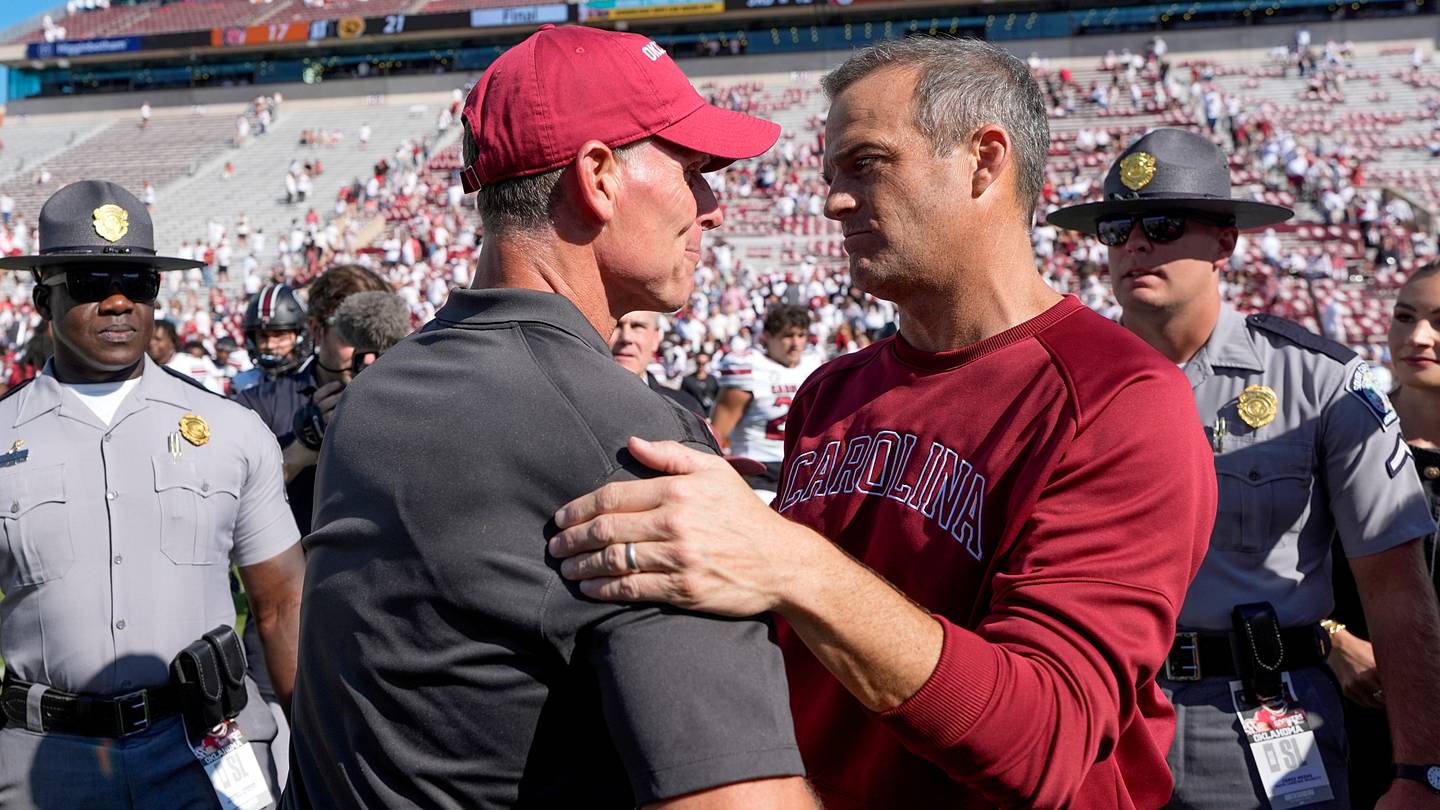
Oklahoma vs. South Carolina: Hooke’s Law and the SEC Timeline Pivot
Two years ago, a mid-October afternoon in Norman, Oklahoma, seemed to collapse under the weight of three early...

Tennessee Governor Candidates Outline Plans to Lower Cost of Living for Families
With early voting drawing to a close on October 29 and Election Day looming on November 3, Tennesseans...

Dancing with the Stars: The Next Pro Eyes California Production Move
BBC Studios is looking to move production of the ABC summer hit Dancing with the Stars: The Next...