
With early voting drawing to a close on October 29 and Election Day looming on November 3, Tennesseans are weighing four distinct visions for the state’s economic future. While Tennessee consistently ranks within the top 15 states for overall affordability, that statistic hides a more complex reality: rising costs for groceries, housing, and utilities are straining family budgets across the state, even in the absence of a state income tax.
The Grocery Tax Debate
A primary point of contention among the candidates is the state’s sales tax on groceries. Independent candidate David Hatley has made the elimination of this tax a cornerstone of his platform, arguing that the state’s current surplus provides a unique opportunity to provide immediate relief. Hatley contends that the tax, which represents an estimated $800 million in state revenue, places an unnecessary burden on households already struggling with inflation.
Democratic nominee Jerri Green agrees that the grocery tax should be repealed, suggesting that the state’s financial priorities are currently misaligned. Green points to the $1.5 billion in corporate tax rebates issued last year as evidence that the state has the capacity to fund such a move. Meanwhile, independent candidate Lauren Pinkston emphasizes the competitive disadvantage created by the tax, noting that Tennessee’s border counties often see residents crossing state lines to purchase food, which drains potential retail revenue from local communities.
Property Taxes and Homeownership Stakes
Housing affordability has emerged as a critical concern, with candidates offering widely different approaches to property tax management. Marsha Blackburn is pushing for the passage of Amendment 2, which would constitutionally prohibit the implementation of a state property tax. Blackburn argues that this move would provide long-term stability for homeowners and seniors, ensuring they are not taxed out of their homes or farms.
The perspective from other candidates reflects a focus on local government oversight. Hatley advocates for state-imposed caps on how much municipalities can increase property taxes, citing cases in his own hometown where valuations spiked significantly over a five-year period. Pinkston echoes these concerns, pointing out that while property taxes have climbed, income growth has lagged behind, creating a widening gap that threatens the stability of Tennessee families.
Government Spending and Debt Relief
The candidates hold starkly different views on how state government should interact with the economy. Senator Blackburn proposes a state-level initiative modeled after the federal “DOGE” concept, aimed at auditing the budget to identify and eliminate waste, fraud, and abuse. She frames this as a necessary step to keep taxes low and create a business-friendly environment.

In contrast, Jerri Green proposes a targeted intervention using federal Temporary Assistance for Needy Families (TANF) funds. She plans to use $10 million in these funds to purchase and forgive $1 billion in medical debt for over 100,000 Tennesseans. Green argues that medical debt is a primary driver of personal bankruptcy and a significant barrier to family financial health. She maintains that this strategy, which she has previously implemented in Memphis, is a moral imperative for a state sitting on significant unspent reserves.
The Path to November 3
As voters head to the polls, the choice before them reflects a broader debate about the role of the state in mitigating the effects of national economic pressures. While some candidates prioritize deregulation and government downsizing to foster growth, others advocate for direct financial interventions to provide immediate relief to those most affected by the rising cost of living. With early voting concluding on October 29, the final days of the campaign are centered on which of these economic philosophies will define Tennessee’s next chapter.
Related reading

Pierre Cruises Past Mitchell 47-7 to Advance in Class 11AA Playoffs
The Mitchell High School football team found out the hard way what top-seeded playoff football looks like on...
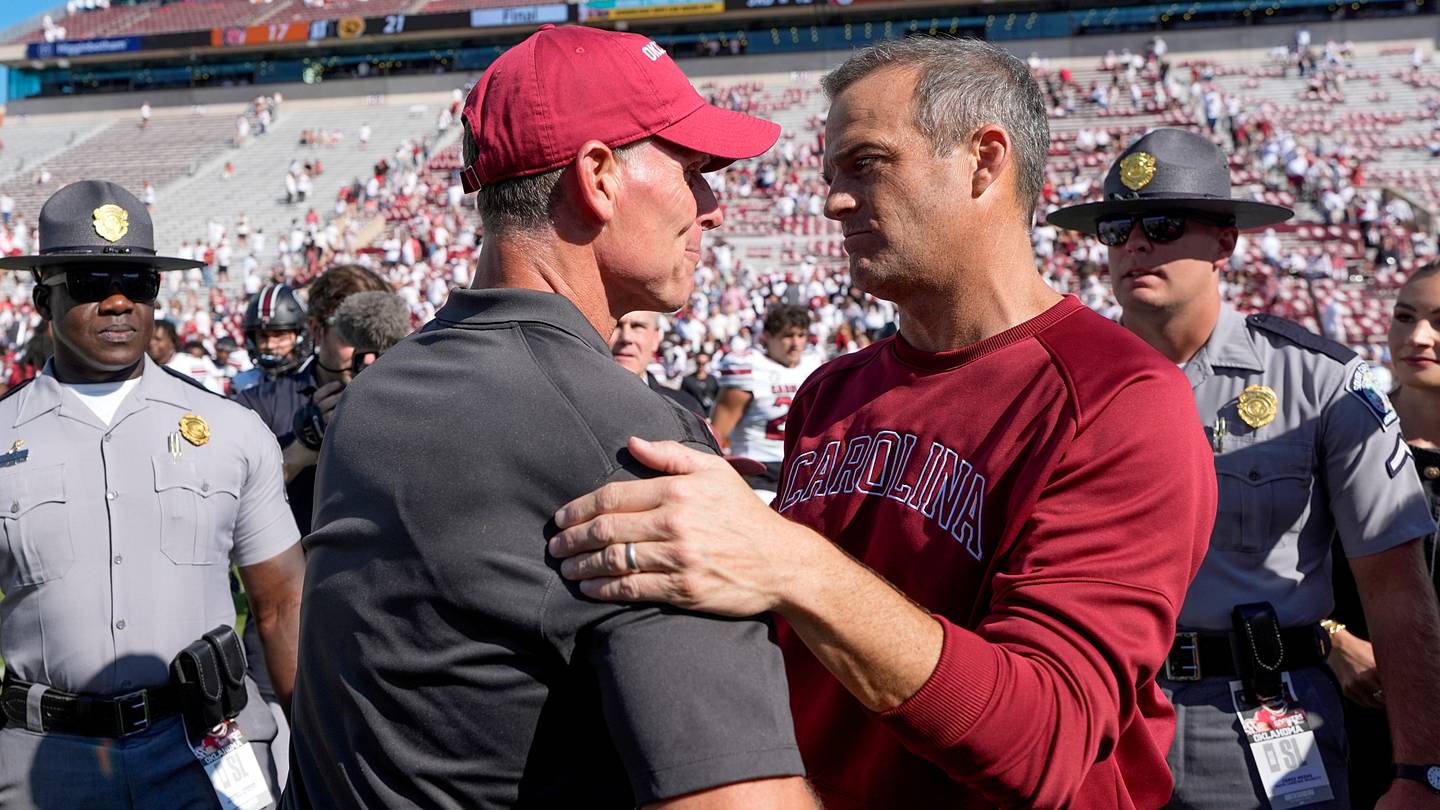
Oklahoma vs. South Carolina: Hooke’s Law and the SEC Timeline Pivot
Two years ago, a mid-October afternoon in Norman, Oklahoma, seemed to collapse under the weight of three early...

Seattle Rep Develops New Plays Through Readings
Play readings serve as the essential engine of new play development at Seattle Rep, functioning as a collaborative...

Dancing with the Stars: The Next Pro Eyes California Production Move
BBC Studios is looking to move production of the ABC summer hit Dancing with the Stars: The Next...