
Lisa Murkowski Confronts the Aftermath of a Seismic Congressional Shift in Nome
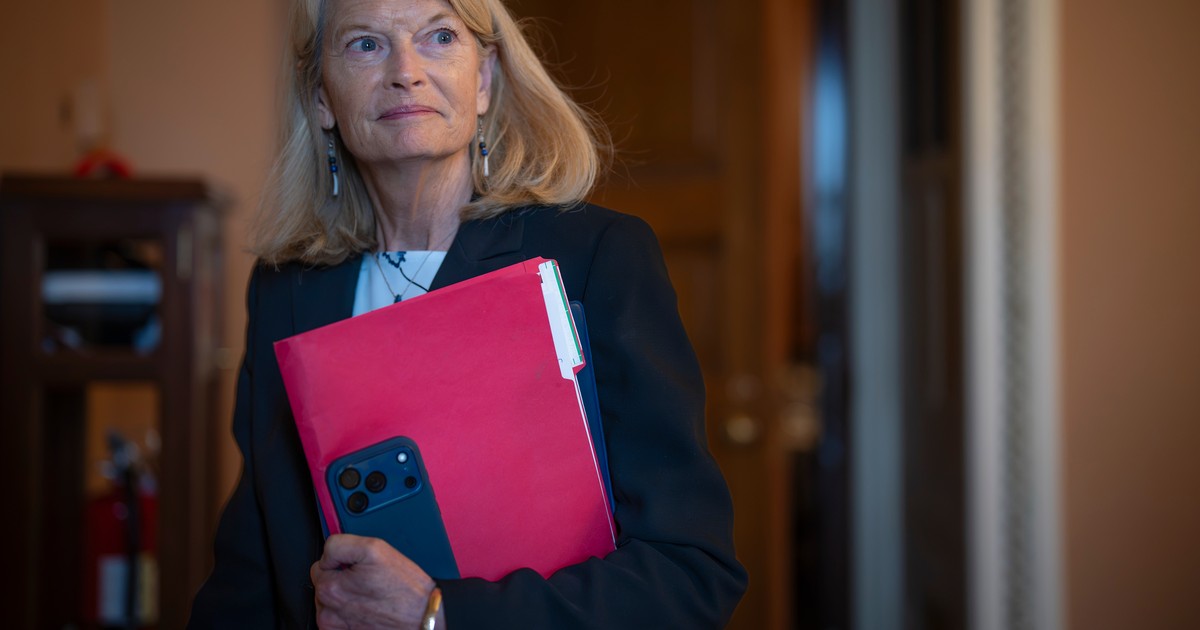
In a remote studio broadcast by KNOM Radio Mission on November 5, 2026, Alaska Senator Lisa Murkowski sat down with News Director Ben Townsend and reporter Augusta McDonnell just a day after a dramatic midterm election cycle reshaped Washington. While national pundits grappled with the scale of the turnover, the senior Republican found herself looking out at the frozen Bering Sea in Nome, trying to process an unexpected political earthquake that swept through both chambers of Congress.
Following the election, Murkowski noted that Republicans were likely to lose the House and the Senate majority. Murkowski admitted that while she anticipated losing a handful of House seats, the broader collapse across the legislative map took her entirely off guard.
I knew that we were probably going to lose a couple seats. I felt like we were probably, the Republicans were going to lose the House. I did not expect that we would lose the majority in the Senate, and I certainly didn’t expect the… trying to – I’ve written down so many different words to describe. They call it a blue wave.
Energy Costs and the Human Stakes in Off-Road Alaska
Far away from the Beltway gridlock, residents in communities like Nome deal with an entirely different set of daily survival metrics. Exit polls from the November 5 vote showed a punishing economic reality: exorbitant prices for heating fuel, groceries, and freight transported via costly barge and air links. For off-road Alaska, these aren’t abstract campaign talking points. They dictate whether a family can afford to keep the lights on through the dark winter.
Murkowski pointed directly to geopolitical flashpoints, including the ongoing war in Iran, as a primary accelerator for the fuel price spikes strangling rural economies. Yet she also stressed that energy vulnerability predates the current conflict. Importing diesel to run aging community generators leaves remote towns tethered to volatile global shipping lanes.
Local solutions remain the most viable path forward, according to the senator. Whether tapping into regional wind potential in Nome, investing in advanced battery storage, or exploring small modular nuclear reactors, remote communities need alternatives to endless diesel imports. Without them, residents remain perpetually vulnerable to supply chain disruptions thousands of miles away.
Federal Funding Targets Arctic Sea Lanes and Port Expansion
The conversation in the KNOM studio quickly turned from ballot boxes to sea lanes. Congress appropriated nearly $25 billion to the U.S. Coast Guard in 2025 to build out icebreakers, cutters, and critical air assets. That federal investment intersects directly with the massive port expansion currently underway in Nome.
Murkowski argued that the Port of Nome must function as a national security asset for the country.
Lisa Murkowski: I knew that we were probably going to lose a couple of seats. I felt like the Republicans were probably going to lose the House. I did not expect that we would lose the majority in the Senate, and I certainly didn't expect the… I'm trying to think of the words… pic.twitter.com/XYzcMGK2eF
Establishing a full military base within five years remains unlikely due to the sheer logistical hurdles involved. Instead, federal agencies are looking toward rehabilitating older forward operating bases and investing in strategic locations like Adak. Nome’s port will ultimately anchor that expanded Arctic footprint, transforming a local infrastructure project into a vital national security imperative.
Working with a Divided Capitol Without Retaliation
Murkowski insisted her core priorities remain anchored firmly to her home state, focused relentlessly on curbing outmigration and keeping families rooted in Alaska.
For now, the senator traded the swirl of Washington for the crisp air of Nome, searching for work amid the wreckage of a historic election.

Man City Beat RB Leipzig 3-2 as Elliot Anderson Shines With Assist
Elliot Anderson shines in Manchester City’s narrow victory over RB Leipzig Manchester City secured a vital 3-2 win...
Activists Demand Investigation Results Into St. Paul Police Clash
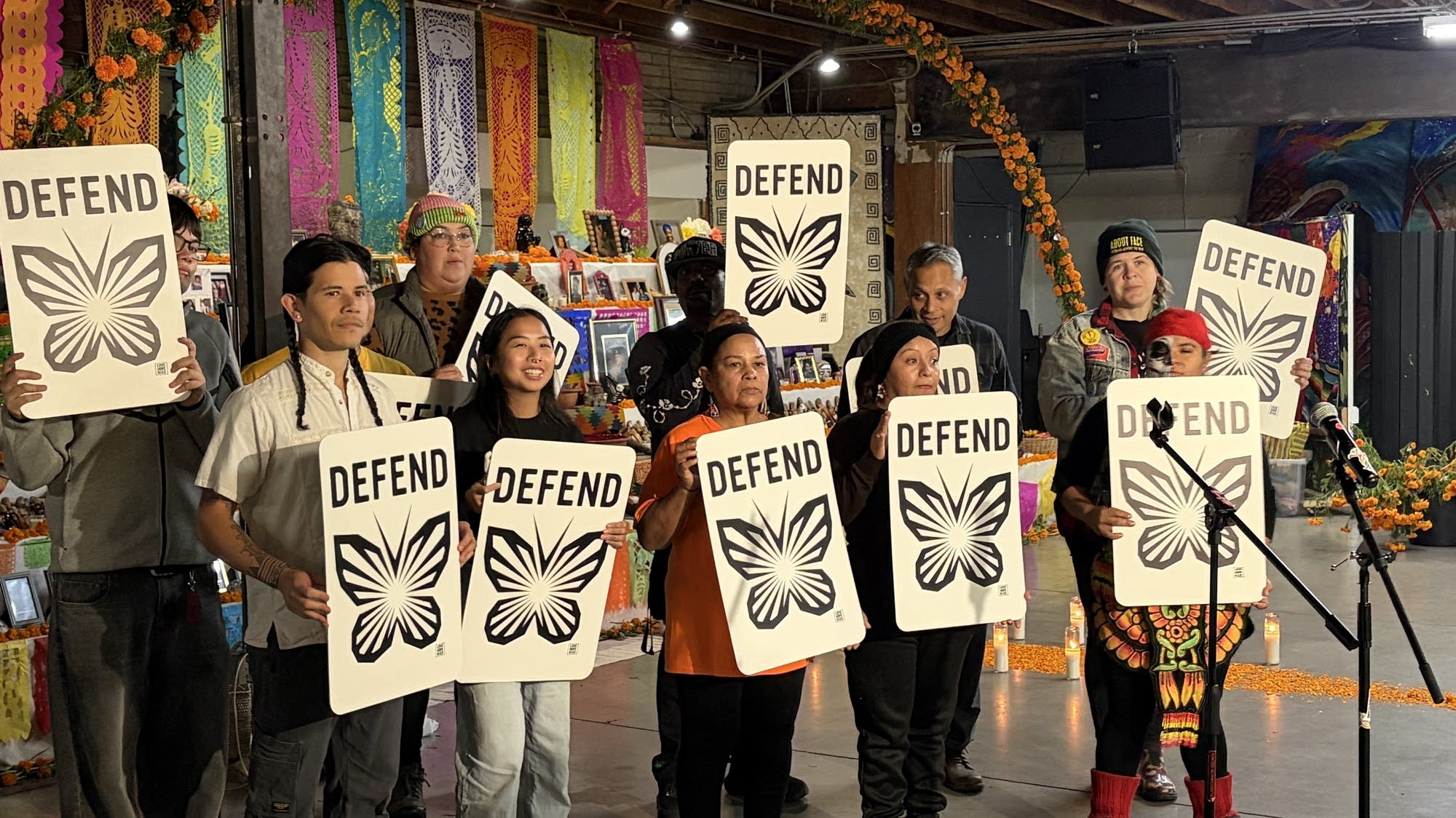
The Standoff on Rose Avenue: A Year of Silence It has been nearly 365 days since the air...
Jacksonville Jaguars beat Baltimore Ravens as Joe Fagnano throws two interceptions
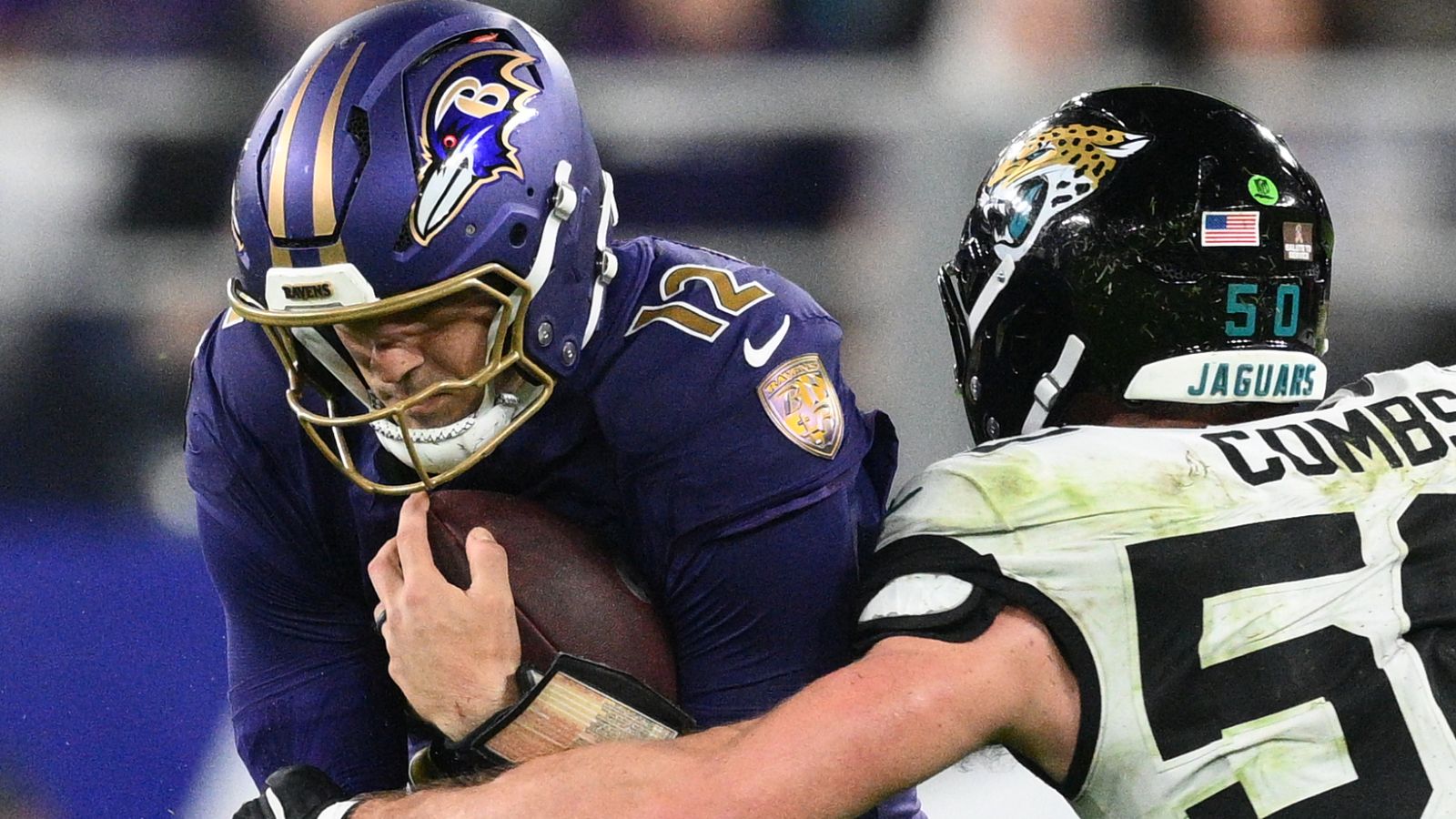
The Baltimore Ravens’ Quarterback Crisis Deepens After Thursday Night Collapse The Baltimore Ravens entered Thursday night’s matchup against...
Father of 3 Killed in Motorcycle Crash, Family Says
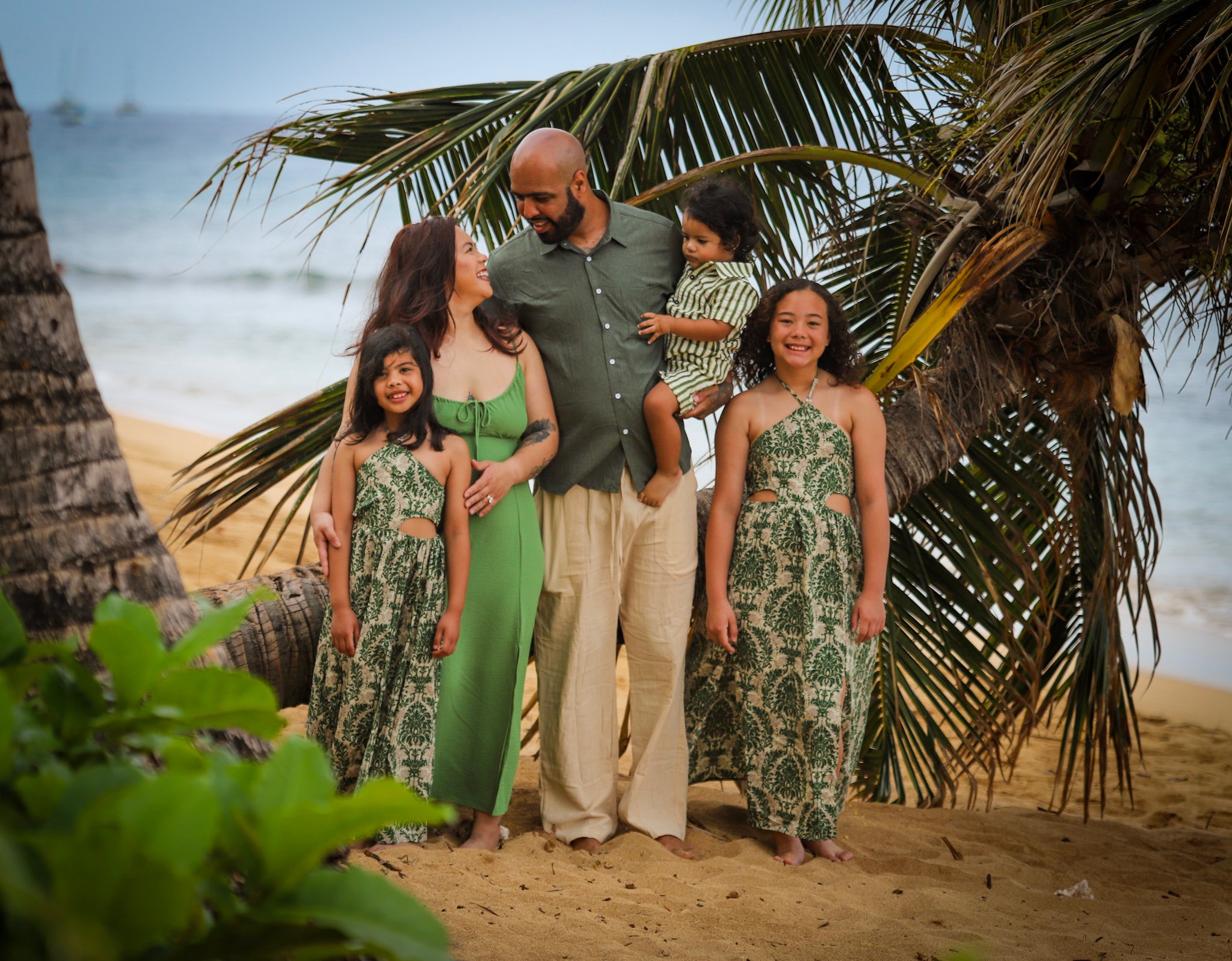
A Father's Final Ride: Henry Moore Dies a Day Before His Daughter's Birthday Henry Moore, a 37-year-old father...