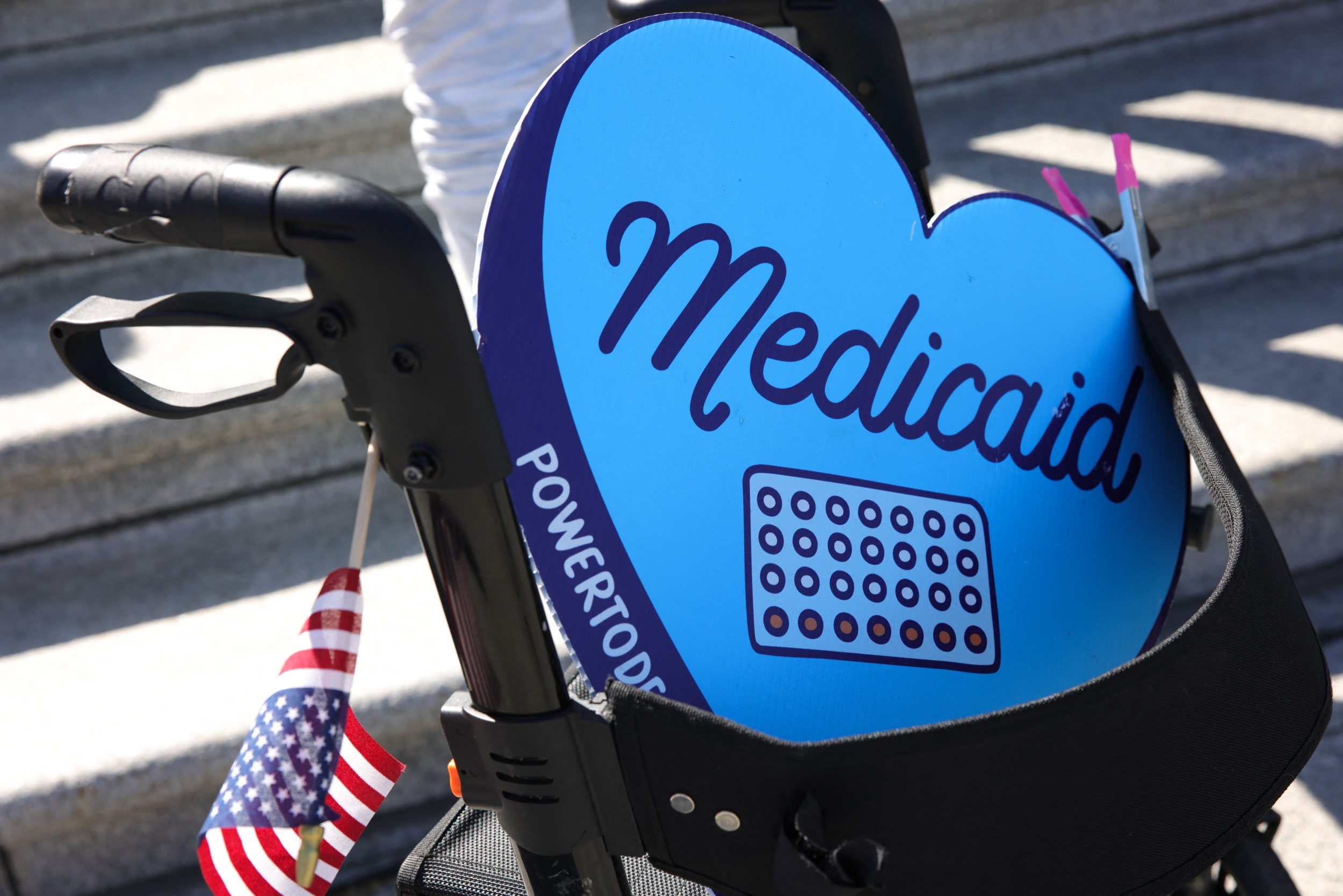
South Dakota voters are heading to the polls on Tuesday, November 3, 2026, to decide a high-stakes constitutional question that could reshape healthcare access for tens of thousands of residents. Medicaldaily.com reported that Amendment I asks whether the state’s voter-approved Medicaid expansion should remain permanently guaranteed in the state constitution only as long as the federal government maintains its 90% cost-sharing match.
The 2022 Mandate and Current Enrollment Figures
To understand the weight of Tuesday’s ballot measure, you have to look back at how the expansion came to be. Voters originally approved Amendment D on November 8, 2022, passing it with roughly 56% support according to Ballotpedia. That vote required the state to extend healthcare coverage to adults aged 18 to 64 with incomes up to 138% of the federal poverty level, which translates to roughly $1,800 a month for a single person.
Because that mandate was written directly into the state constitution, ordinary legislative action cannot touch it. Only another vote of the people can alter or remove it. Data from the South Dakota Department of Social Services, cited by South Dakota Searchlight, shows that more than 31,000 people were enrolled in the expanded Medicaid program as of August 2026 out of approximately 143,000 total enrollees across all Medicaid categories. Becker’s Hospital Review similarly notes that expansion enrollment sits right around the 30,000 mark.
The state legislature subsequently placed Amendment I on the ballot in 2025. Lawmakers in the House approved the measure 59-7 on January 21, 2025, and the Senate followed with a 31-3 vote on March 3, 2025, with support breaking largely along party lines as Republicans backed the referral and Democrats opposed it.
A Disputed Ballot Title Over What a “Yes” Vote Means
The fiercest debate surrounding Amendment I is not about the 90% funding threshold itself, but rather about the legal consequences if federal funding ever dips below that mark. Attorney General Marty Jackley’s official ballot explanation states that the amendment would immediately end expanded coverage if federal funding drops below 90%, reverting eligibility back to pre-2022 groups such as low-income children, pregnant women, individuals with disabilities, and older adults.
The measure’s sponsors strongly reject that interpretation. Rep. Will Mortenson (R-Fort Pierre) called the title and explanation 100% inaccurate, arguing in interviews with Searchlight that the amendment merely strips away the constitutional requirement and leaves future lawmakers free to choose whether to keep, modify, or repeal the program. Lt. Gov. Tony Venhuizen, an original sponsor of the measure, has similarly disputed the ballot language.
Other healthcare leaders read the text much more literally. Tim Rave, a former Republican legislator who now leads the South Dakota Association of Healthcare Organizations, stated plainly, “It says it will end if the federal match changes, period.” Attorney General Jackley has stood by his office’s official wording, asserting that it accurately reflects the language of the legislative resolution.
Fiscal Safeguard Versus Rural Hospital Risk
Supporters frame Amendment I as an essential budget protection. Sen. Casey Crabtree (R-Madison), the Senate sponsor, argued that the measure acts only if Washington breaks its original promise of funding 90% of the cost, noting that South Dakotans should not automatically be left holding the bag for a tax increase if federal terms shift. Lawmakers estimate that if the federal match fell to 70%, the state would be on the hook for roughly $72 million to keep the program afloat, potentially squeezing funding for other public services. The Republican Party of South Dakota and Americans for Tax Reform both back the amendment.
Opponents contend the vote is an unnecessary gamble on a hypothetical scenario. Former lawmaker and nurse Jean Hunhoff questioned the wisdom of voting on a cut that has not actually occurred. Deb Fischer-Clemens, president of the South Dakota Nurses Association, warned that rural hospitals are already operating on razor-thin margins. Roughly $400 million a year flows to hospitals, clinics, and providers through expansion, covering care that would otherwise go unpaid.
Taking away health coverage does not make those challenges disappear. It makes them worse.
That perspective is echoed by AARP South Dakota, which joins the state Democratic Party, Change Agents of South Dakota, and Republican state Sen. Tom Pischke in opposing the measure.
Polling and the Broader Federal Landscape
An Emerson College/KELOLAND poll of 803 likely voters conducted between October 19 and 21 found 26.9% supporting Amendment I, 59.4% opposed, and 13.7% undecided. No matter the outcome at the ballot box, the 90% match remains fully intact today. The federal Affordable Care Act established the rate, and it was not altered by the 2025 federal budget law known as the One Big Beautiful Bill Act. While a narrow change took effect October 1 removing the enhanced match for emergency Medicaid for noncitizens, no source indicates that adjustment triggers Amendment I.

Nationwide, matching triggers are not unique to South Dakota. Ballotpedia notes that 12 states have laws tied to federal funding thresholds, with eight states—including Arizona, Arkansas, Illinois, Indiana, New Hampshire, North Carolina, Utah, and Virginia—maintaining provisions that would eliminate expansion if federal matching drops. For South Dakota households, Tuesday’s vote decides who holds the ultimate authority over expansion when and if Washington ever changes the math.
Keep reading
- Spaulding, Marre take individual titles at Simpson tournament – Central College Athletics
- Another sloppy Patriots performance, but another divisional win – NBC Sports Boston
- Al-Nassr Rest Cristiano Ronaldo for AFC Champions League Match (world-today-news.com)
- 1,417 Papers Pulled in One Day Match Ads Selling Authorship Slots (daybreakwire.com)

Spaulding, Marre take individual titles at Simpson tournament – Central College Athletics
Central College Wrestlers Claim Individual Titles at Luther Hill Open The Central College men's wrestling season kicked off...

Another sloppy Patriots performance, but another divisional win – NBC Sports Boston
The 2026 New England Patriots secured another divisional victory despite a sloppy performance against the Miami Dolphins, escaping...

Four Lock Haven wrestlers go 3-0 at Navy Classic
Four Lock Haven Wrestlers Go Unbeaten at Navy Classic Opening Day Four Lock Haven wrestlers finished their matches...

Collins, Jackson make their closing appeals in Maine’s pivotal US Senate race
Maine US Senate Race Reaches Final Hours With Record Spending and Divergent Closing Strategies With more than $260...