
Sudanese families in Khartoum are facing a catastrophic collapse of purchasing power as the Sudanese pound plummets and food prices soar, leaving millions at risk of famine. According to a joint declaration signed October 23, 2026, by the United States, United Kingdom, France, and other allies, an estimated 19.5 million people—roughly 41% of the population—are experiencing high levels of acute food insecurity, with 5 million facing emergency levels. The crisis is driven by a brutal civil war between the Sudanese Armed Forces (SAF) and the paramilitary Rapid Support Forces (RSF) that has decimated infrastructure and disrupted supply chains.
For residents of the capital, the economic collapse is measured in daily survival. Rasha Abdelaziz Musa, a 39-year-old tea seller, works seven hours a day but remains unsure if she can feed her four children. Her husband, a soldier on the front lines, has not sent money in months.
The Rapid Erosion of the Sudanese Pound
The currency’s decline has moved from a steady slide to a freefall. The Christian Science Monitor reports that before the civil war began three years ago, the pound traded at 600 to the dollar. By May 2026, that rate hit 4,000 on the black market. As of late October 2026, it has surpassed 10,000. Al Jazeera monitored the parallel market on a recent Friday, finding the dollar trading at 10,050 pounds, up from 9,500 just one day prior.
This volatility makes basic financial planning impossible for the urban poor. Ahmed Youssef, 61, supports a family of 12 through irregular work in a butcher shop. He told Al Jazeera that his household spends over 100,000 pounds ($10) daily on food alone, forcing his older children to work to bridge the gap. Ali Fadil supports a family of 10.
Market Price Surge for Essentials
Al Jazeera reported that prices regularly change for Musa, who often ends the day in debt to the traders she gets her food from.
| Item | Previous Price | Current Price | Change |
|---|---|---|---|
| Loaf of Bread | 300 pounds | 500 pounds | +35% |
| Sugar (1kg) | 9,000 pounds | 10,000 pounds | +11% |
| Cooking Oil (1L) | 20,000 pounds | 25,000 pounds | increases |
| Rice (1kg) | 10,000 pounds | 13,000 pounds | increases |
| Powdered Milk (1kg) | 60,000 pounds | 70,000 pounds | increases |
Production Costs and the Bread Crisis
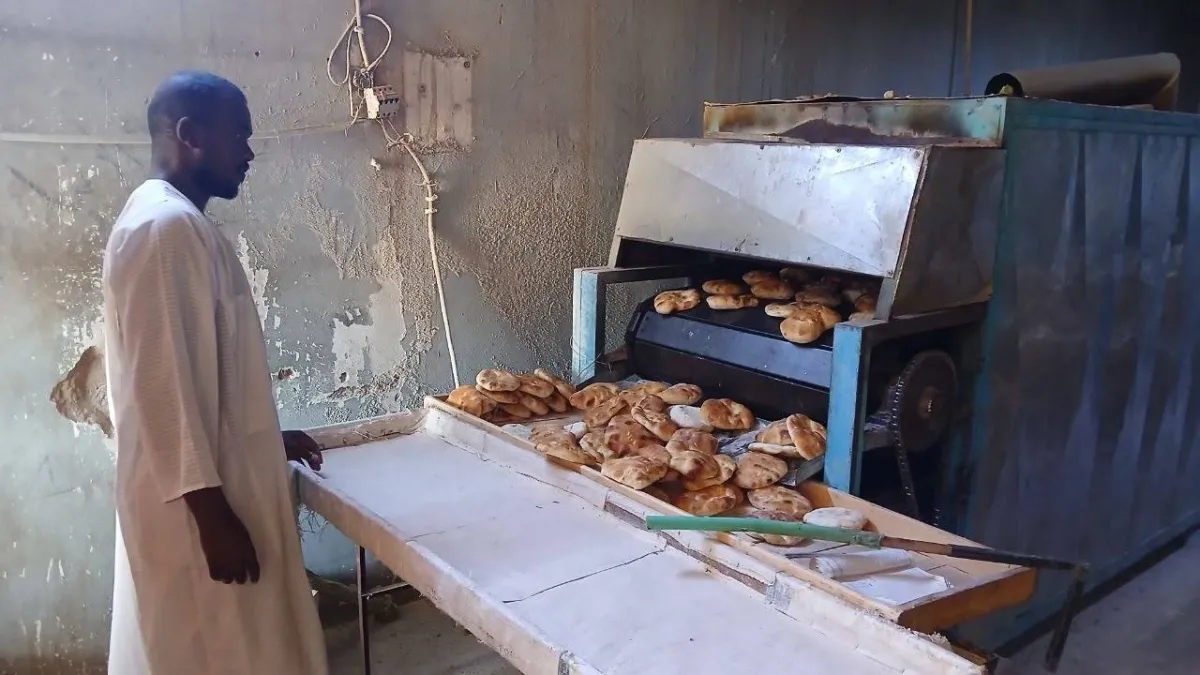
Bread, the most basic staple, has become a flashpoint of the crisis. Asharq Al-Awsat reports a 35% increase in the price of a loaf, driven by soaring costs for flour, yeast, and fuel. Al-Tayeb al-Jaali, a bakery owner in Omdurman, noted that a sack of flour now costs 190,000 pounds, while yeast has reached 290,000 pounds. Essam Okasha, head of the Bakers’ Union, attributes these spikes to global wheat prices and the currency’s depreciation.
The crisis is compounded by systemic failures. Issam al-Taj, a taxi driver, told Asharq Al-Awsat that his household spends 20,000 pounds a day on bread alone, while he often waits three days in fuel lines just to refuel his vehicle. Okasha further noted that Sudan’s gold exports—one of its few remaining revenue streams—are largely diverted to finance the war rather than supporting the national economy.
Structural Collapse and the Famine Risk
The current misery is not merely a byproduct of the current fighting. Economic specialist Khalid Teks told Al Jazeera that Sudan’s deterioration began with the 2011 secession of South Sudan, which caused oil production to plummet. The World Bank estimates the economy shrank by 29% in 2023 and another 14% in 2024.
While the SAF-backed government encouraged residents to return to Khartoum after recapturing the city in March 2025, many find themselves living in ruins without water or electricity. The Christian Science Monitor reports that this return has increased demand for supplies just as fuel shortages hit the capital. UN experts warn that more than half of Sudan's annual gold production is being smuggled out by generals and militia leaders, bypassing government coffers entirely.
“The government needs to provide direct support through dedicated funds and the Zakat Chamber, facilitate humanitarian organisations and offer affordable loans for small businesses,” Khalid Teks told Al Jazeera.
The American Connection and Aid Shortfalls
For the American public, the crisis in Sudan represents a significant geopolitical instability in the Horn of Africa and a failing humanitarian commitment. The Christian Science Monitor highlights a critical funding gap in the UN’s Sudan Humanitarian Need and Response Plan, which is currently only 46.5% funded. This shortfall is attributed in part to the sudden withdrawal of American aid following the change in U.S. administration last year.
Critics of the current aid trajectory argue that without immediate intervention, the number of children suffering from severe acute malnutrition will exceed 825,000.
The situation remains precarious as the November harvest approaches. Teks said the government needs to provide direct support and affordable loans to help reopen markets and workshops.
Related reading

PNG man Luka Rahan rescued in Kiribati after 41 days adrift at sea
Luka Rahan, an 18-year-old Papua New Guinean man, was rescued by Kiribati fishermen on Tuesday afternoon after spending...

Nintendo Reveals 23 Indie Games for Switch and Switch 2
Nintendo revealed 23 independent titles for the Switch and Switch 2 during its Indie World Showcase on October...

Australia Working Holiday Visa Changes: New Ballot System Impacts Young Irish Workers
Young Irish citizens working in Australia are facing a sudden collapse of the traditional "Working Holiday" pathway as...

HKTDC Chairman Visits Qatar to Strengthen Hong Kong-GCC Business Ties
Prof Frederick Ma, Chairman of the Hong Kong Trade Development Council (HKTDC), concluded a high-level diplomatic and business...