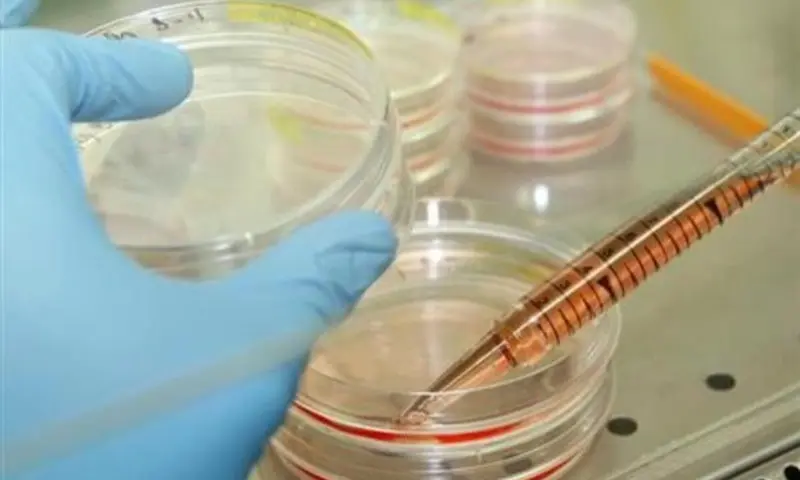
Millions of dopamine-producing brain cells have been surgically transplanted into a patient’s brain at Kyoto University Hospital, marking a world-first following the treatment’s conditional approval in Japan. Performed in October, the procedure follows the therapy’s conditional approval earlier this year.
Developed by drugmaker Sumitomo Pharma, the therapy involves introducing millions of induced Pluripotent Stem (iPS) cells directly into the brain. Japanese regulators granted conditional approval for the treatment in March, following a successful clinical trial.
Reversing Cellular Loss in the Brain
Affecting the motor system with typical symptoms like tremors and movement challenges, Parkinson’s disease is a long-term, degenerative neurological condition. More than 10 million people worldwide are estimated to have the illness, according to the Parkinson’s Foundation. Currently available therapies improve symptoms without slowing or halting the disease progression.
Reminder to other countries Japan Approves First iPSC Stem-Cell Therapy to Replace Lost Dopamine Neurons in Parkinson’s.Japan has approved a regenerative treatment called Amchepry, developed by Sumitomo Pharma, designed to treat Parkinson’s disease using induced pluripotent… https://t.co/EtPPOpTXTP pic.twitter.com/3FLRGUNUE7
Sumitomo Pharma’s approach targets the condition. Mature and specialized cells from healthy donors are returned to a juvenile state to create iPS cells, which possess the potential to develop into any cell in the body. To carry out this treatment, the iPS cells are grown into precursor cells for dopamine-generating brain cells, which individuals with Parkinson’s disease lack.
Trial Data and Safety Monitoring
Before this, the therapy underwent clinical testing. Seven patients aged between 50 and 69 each received surgical implants of either five million or 10 million cells on both sides of the brain.
These participants were monitored for two years, during which no major adverse effects were found. Four patients showed improvements in symptoms.
Commercial Rollout and Global Expansion
Sumitomo Pharma announced the October procedure at Kyoto University Hospital in its Friday earnings press release, without giving further details. This milestone arrives on the heels of another significant breakthrough in Japanese regenerative medicine, wherein an Osaka hospital performed the world’s first procedure utilizing sheets of heart muscle iPS cells designed to regenerate blood vessels and revive cardiac function. Japan also gave conditional approval to that therapy in March.
Building on these successes, Sumitomo Pharma outlined expansion plans for the Parkinson’s treatment:
- Perform transplants on 20 to 30 patients by March 2029.
- Continue a clinical trial currently underway in the United States.
- Secure full approval in Japan if safety and efficacy are confirmed over the next seven years.
Keep reading
Number of Ebola deaths passes 5,000 amid fears over containment efforts – Irish Examiner
The death toll in the Democratic Republic of Congo’s accelerating Ebola epidemic has crossed 5,000, driven by the...

One dead, two injured after multiple stabbing incident at Kerry Ipas centre – The Irish Times
Early Saturday morning in County Kerry, a disturbance at an asylum accommodation facility turned fatal when a man...

Review: Call of Duty: Modern Warfare 4 (PS5) – Same Old Multiplayer Drags Down Stellar Package
Call of Duty: Modern Warfare 4 arrives across major consoles and PC for $69.99, pairing Infinity Ward's strongest...
Outcomes Following Breast-Conserving Surgery for Positive Radial Margins: A Five-Year Longitudinal Study – Cureus
When a surgeon removes a tumor during breast-conserving surgery, the margins of healthy tissue surrounding that tissue are...