
Clerk Malena Stevens Faces Lawsuit Over Disqualified Voters in West Hills Election
“Clerk Malena Stevens and Summit County seem to be deciding this election’s outcome themselves,” Derek Anderson, a sponsor for the West Hills incorporation, said regarding a sudden wave of voter challenges.
We were so happy to support Summit County Clerk of Courts @TaviaGalonski at her campaign kickoff on Tuesday!! pic.twitter.com/TNb1nmiVqF
Five voters filed a lawsuit against Summit County Clerk Malena Stevens on Friday over her decision to disqualify them from voting on the West Hills incorporation, the Park Record reported. The legal challenge claims Stevens’ action fundamentally changed the electorate without providing ample time to appeal.
The dispute stems from documents submitted to the Summit County Clerk’s Office by Craig Savage, a Wasatch County resident who opposes the West Hills incorporation. Savage argued that 23 registered voters did not actually live within the proposed town boundaries and should be ruled ineligible to cast ballots on the incorporation question. Last week, the Clerk’s Office sustained challenges against 17 of 18 voters included in Savage’s initial complaint, informing them they could no longer participate.
Allegations of Uneven Treatment and Missed Deadlines
The lawsuit contends that Stevens’ decision forms part of a broader pattern of county officials interfering in the incorporation process. Petitioners pointed to public opposition from county leadership, including disparaging comments from Community Development Director Peter Barnes, attempts to exclude county land from the proposed boundaries, and the Summit County Council’s recent push for the state Legislature to repeal preliminary municipality laws.
“Petitioners do not ask the Court to find a motive for any of this, and the Court need not do so,” the legal filing stated. “Petitioners recite this history because it bears directly on the questions the statute presents to the Court: whether the Clerk applied a uniform standard to every challenged voter, whether she afforded a meaningful opportunity to respond and whether her determinations were made in the time and manner the Election Code requires.”

Specifically, the complaint alleges that Stevens issued one-paragraph notices to at least 11 of the 18 challenged voters on Oct. 26—six days after early voting opened. According to the lawsuit, those notices lacked any information regarding facts, evidence, findings, or the appeals process. State law presumes a voter’s sworn registration is correct, and the complaint challenges the reliability of the evidence provided by Savage, which relied heavily on secondary observations like property appearances, vehicle registrations, social media posts, and inferences about employment and mail delivery.
The filing also highlights internal inconsistencies in how the Clerk’s Office handled the challenges. A married couple who moved to the area over the summer was named in the same affidavit and responded together on Oct. 9, yet only the husband was disqualified from voting.
Furthermore, the lawsuit asserts that Stevens missed mandatory statutory deadlines. Under state law, determinations were required before early voting began 14 days before Election Day—a window opening on Oct. 20. Notices were not sent until Oct. 26. Because roughly 92 voters are registered within the proposed boundary, removing at least 11 voters altered roughly one out of every five potential ballots.
Court Action and County Response
The plaintiffs asked Third District Judge Richard Mrazik to reverse Stevens’ findings and order the Clerk’s Office to produce the complete closed record detailing the evidence relied upon. An expedited hearing was requested before Election Day, though no hearings appeared on the court docket as of Monday afternoon.
Summit County released a statement defending the process, noting that the Clerk’s Office found 17 of the 18 challenged voters ineligible based on available facts submitted by the filer and the individuals. County officials added that a determination on remaining challenges—including 12 submitted by Anderson—will be finalized before election results are certified on Nov. 17. Until then, any ballots cast by challenged individuals are being treated as provisional ballots, to be counted only if the voters are eventually deemed eligible.

Publishers Sue Brave Over AI Scraping and Paywall Bypassing
The New York Times Sues Brave Web Browser Over Paywall Bypass and AI Scraping “While we believe in...
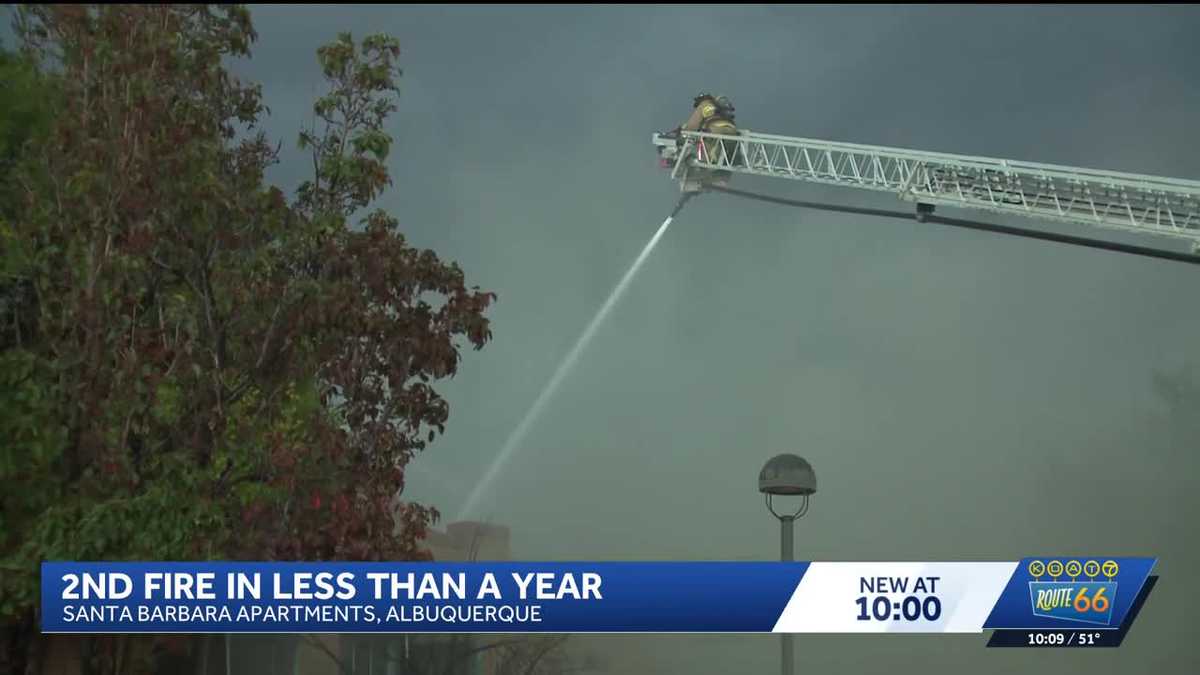
Fire Breaks Out at Boarded-Up Santa Barbara Apartments in Albuquerque
Heavy smoke and strong winds forced temporary evacuations in Albuquerque Monday night as Albuquerque Fire Rescue battled a...

NJ Democrats Rally in Springfield to Flip Congressional Seat Ahead of 2026 Midterms
Holding up the American flag patch she wore on her flight uniform for the decade she served as...

Manchester City Face Left-Back Dilemma Over Gvardiol
Manchester City defensive puzzle leaves Enzo Maresca searching for answers at left-back Back-to-back Premier League defeats have exposed...