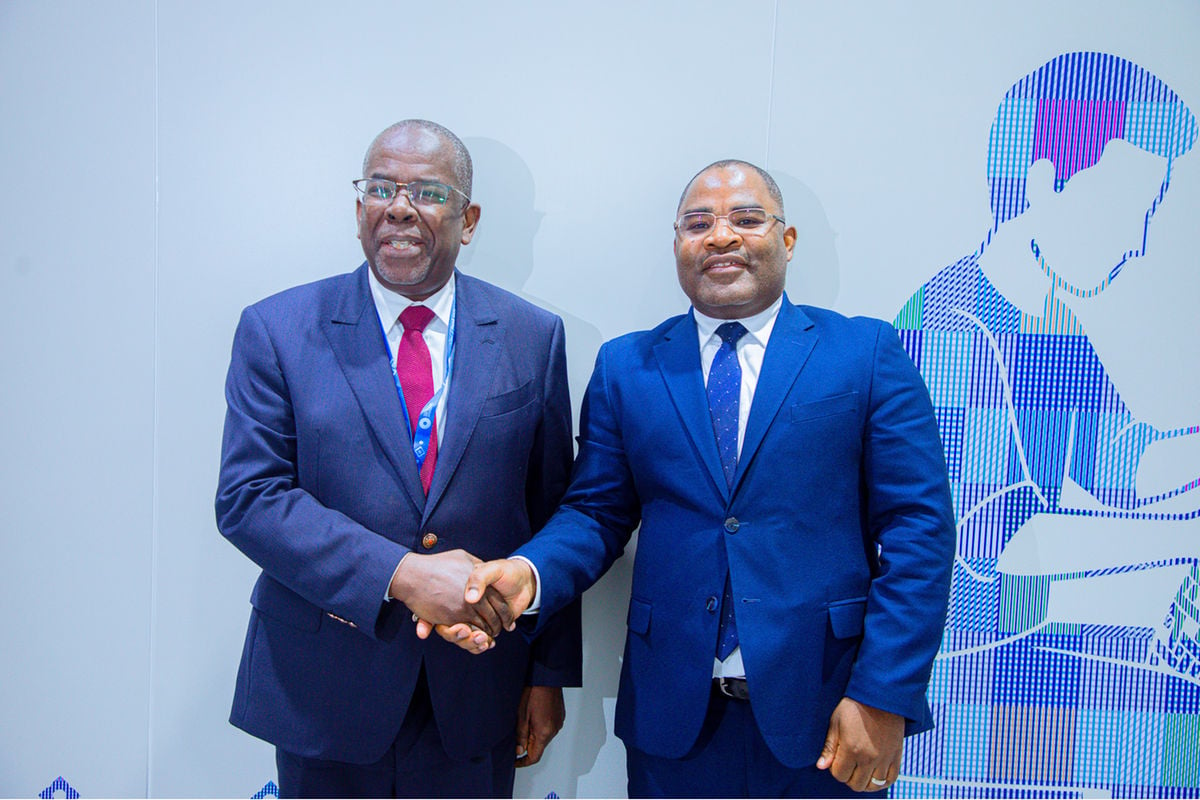
Tanzania’s finance minister thanked the World Bank on October 12, 2026, for supporting 33 strategic projects valued at more than $8.8 billion. Speaking in Bangkok during annual meetings, Ambassador Khamis Mussa Omar highlighted a national economic growth rate of 6.3 percent in the first quarter of the year while pushing for deeper infrastructure cooperation.
Discussions between Tanzanian officials and multilateral lenders took center stage on the sidelines of the International Monetary Fund and World Bank annual gatherings in Bangkok, Thailand. Finance Minister Ambassador Khamis Mussa Omar led the national delegation, which used the international platform to evaluate active financing portfolios, celebrate macroeconomic milestones, and map out future regional integration projects.
Tanzania Values 33 World Bank Projects Worth Over $8.8 Billion
The financial partnership encompasses a broad array of national and regional priorities. Ambassador Omar met with senior World Bank leadership, including outgoing Executive Director for Africa Group I Zarau Kibwe and Vice President for Eastern and Southern Africa Ndiame Diop, to review the portfolio of 33 projects spanning industry, education, healthcare, agriculture, and social protection.
The current funding configuration relies heavily on concessional resources from the International Development Association. Tanzania benefited from nearly $6 billion under the IDA-20 financing cycle, secured an allocation of $2.54 billion under IDA-21, and holds additional financing commitments exceeding $760 million for projects currently in preparation.
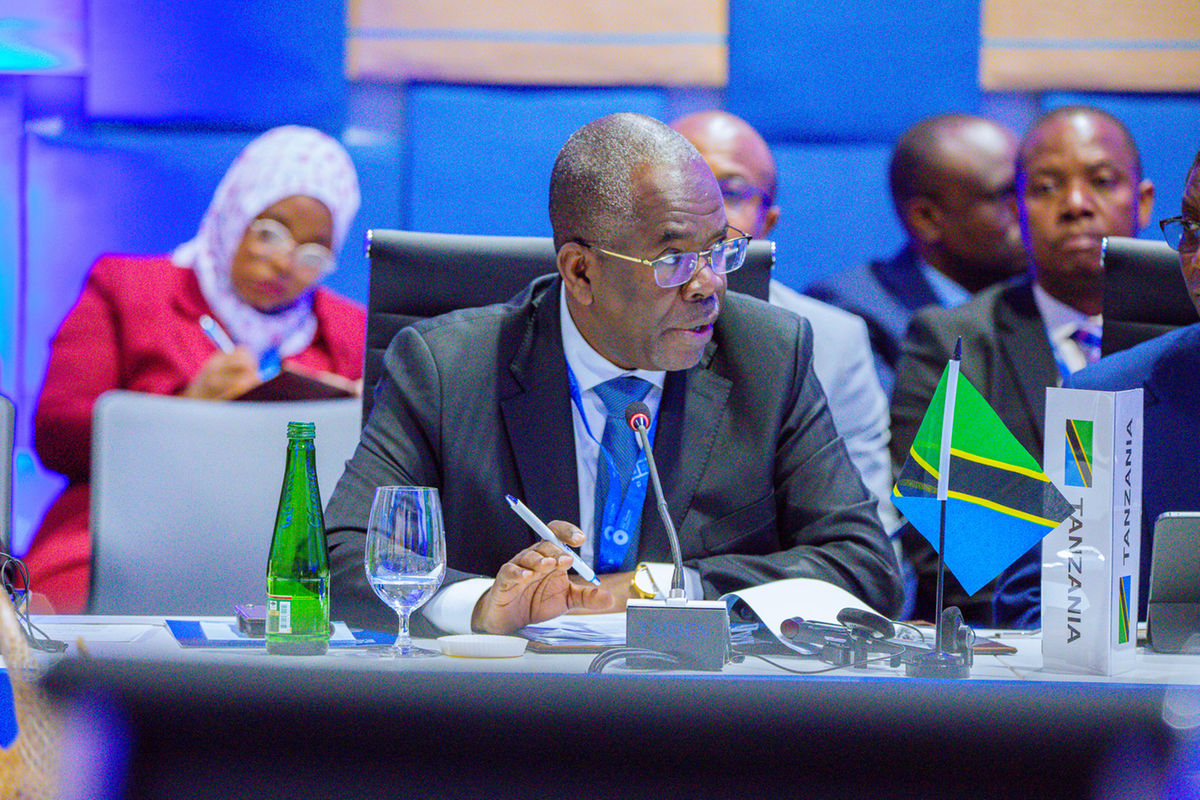
Tanzania has benefited from nearly $6 billion in IDA-20 financing, while under IDA-21 we have been allocated $2.54 billion, alongside financing commitments exceeding $760 million, with other projects still being prepared for implementation.
While Tanzanian officials value the active portfolio at $8.8 billion—accounting for exchange rate calculations across 23.2 trillion Tanzanian shillings—the World Bank’s own country page lists a slightly smaller active portfolio of $8.4 billion across 33 operations as of August 31, 2026. Dr Kibwe noted during the transition talks that joint project values had expanded substantially from approximately $4 billion during the earlier stages of her tenure.
Macroeconomic Growth and Monetary Policy Coordination
The high-level talks unfolded against a backdrop of steady domestic expansion. Official statistics presented in Bangkok showed that Tanzania’s economy expanded by 6.3 percent in the first quarter of 2026, marking an acceleration from earlier periods. National Bureau of Statistics figures cited in separate briefings placed first-quarter growth at 6.1 percent, accompanied by an inflation rate of 4.3 percent in September, which remains comfortably inside the government target band of 3 to 5 percent.
To safeguard this economic resilience against external shocks, Ambassador Omar outlined key domestic priorities during the IMF African Group I constituency meeting. Tanzania amended its laws to enable the government to increase the capital of the Bank of Tanzania, reinforcing the central bank’s shock-absorption capacity.
- Aligning government cash flows and borrowing plans with central bank liquidity assessments to ensure disciplined budget execution.
- Protecting vulnerable households during crises through targeted, temporary support backed by reliable funding.
- Safeguarding growth investments in human capital and social services while broadening the fiscal base to reduce reliance on external borrowing.
Expanding Rail and Port Infrastructure for Regional Logistics
Physical infrastructure investment remains a primary driver of the bilateral relationship. The World Bank continues to back capital-intensive transport initiatives designed to establish the East African nation as a premier regional logistics hub. Key projects include the ongoing construction of the Standard Gauge Railway and the rehabilitation of the metre-gauge railway, both of which integrate directly with the expansion of the Dar es Salaam Port.
Human Capital and Domestic Private Sector Engagement
Beyond physical construction, multilateral funding supports vital social safety networks. The Tanzania Social Action Fund continues to provide direct conditional cash transfers and public works employment to rural households. At the same time, officials emphasized the necessity of translating public investments into direct economic opportunities for young workers.
Discussions also highlighted the mining and agricultural sectors, where the government is pressing for greater value addition by processing raw materials locally rather than exporting them unprocessed. As Dr Kibwe concluded her two-year tenure as executive director, she urged Tanzanian authorities to maximize ongoing World Bank initiatives focused on mineral-sector governance and private sector capital access, noting that private sector financing commitments during her time in office rose from $200 million to $800 million.
Keep reading

Tesla Unveils New Roadster with SpaceX Thrusters, Set for 2028
Tesla unveiled a radically redesigned Roadster at its McGregor, Texas facility, featuring SpaceX cold-gas thrusters and an underbody...
Kenya Overtakes Ethiopia to Become East Africa’s Largest Economy
Kenya has overtaken Ethiopia to become East Africa's largest economy, ending a five-year period of regional dominance.

Jaguar Unveils All-Electric Type 01 Grand Tourer
Jaguar has unveiled its new all-electric Type 01 grand tourer in New York, setting a starting price of...
CREA revises down 2026 home sales forecast again as September transactions fall 7.7%
Canada's housing market faltered in September 2026 as national sales dropped 7.7 per cent year-over-year.